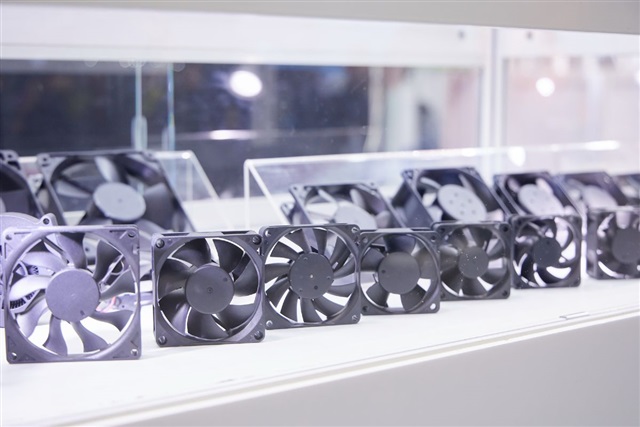
L'ottimismo del settore del raffreddamento e l'onda dell'AI
I produttori di sistemi di raffreddamento guardano al 2026 con un marcato ottimismo riguardo alle proprie attività. Questa prospettiva positiva, sebbene possa sembrare un dettaglio di nicchia, assume un significato profondo nel contesto dell'attuale espansione tecnicica, in particolare per quanto riguarda l'intelligenza artificiale e i Large Language Models (LLM). L'ottimismo di questo segmento di mercato suggerisce una previsione di crescita robusta nella domanda di soluzioni per la gestione termica, un elemento sempre più critico per le infrastrutture di calcolo ad alte prestazioni.
La capacità di dissipare efficacemente il calore è diventata un fattore limitante e abilitante per l'evoluzione dei data center moderni. Con l'aumento della densità di potenza dei componenti hardware, in particolare delle GPU dedicate all'addestramento e all'inference degli LLM, la gestione termica non è più un semplice aspetto accessorio, ma una componente strategica che incide direttamente sull'efficienza, sulla stabilità e sulla longevità dell'intera infrastruttura.
Il ruolo critico del raffreddamento nell'era dell'AI
Le moderne architetture di calcolo, necessarie per supportare carichi di lavoro AI complessi, generano una quantità significativa di calore. Le GPU, ad esempio, sono progettate per operare a temperature elevate, ma superare determinate soglie può portare a fenomeni di throttling, riducendo drasticamente le performance e compromettendo l'affidabilità a lungo termine dei componenti. Per i team che gestiscono infrastrutture AI, garantire un raffreddamento adeguato significa massimizzare il throughput, minimizzare la latenza e proteggere investimenti hardware spesso ingenti.
L'evoluzione delle tecnicie di raffreddamento, che vanno dai sistemi ad aria più tradizionali a soluzioni avanzate a liquido (come il raffreddamento a immersione o a contatto diretto), è una risposta diretta a queste esigenze. La scelta della tecnicia di raffreddamento incide non solo sulla capacità di dissipazione, ma anche sul consumo energetico complessivo del data center, un fattore chiave per il Total Cost of Ownership (TCO) e per l'impatto ambientale delle operazioni.
Implicazioni per i deployment on-premise e il TCO
Per CTO, DevOps lead e architetti di infrastrutture che valutano deployment on-premise per carichi di lavoro AI/LLM, la gestione del calore è una considerazione primaria. Le soluzioni self-hosted offrono vantaggi in termini di sovranità dei dati, compliance e controllo, ma richiedono una pianificazione meticolosa dell'infrastruttura fisica. Un sistema di raffreddamento inefficiente può vanificare i benefici di un deployment on-premise, aumentando i costi operativi (OpEx) legati all'energia e alla manutenzione, e limitando la scalabilità futura.
La progettazione di un ambiente air-gapped o di un data center ibrido per LLM deve considerare l'impronta termica delle GPU e degli altri componenti. Investire in soluzioni di raffreddamento efficaci sin dalla fase di CapEx può tradursi in significativi risparmi sul TCO a lungo termine, oltre a garantire la stabilità e la disponibilità dei servizi AI critici. Per chi valuta deployment on-premise, AI-RADAR offre framework analitici su /llm-onpremise per valutare i trade-off tra performance, costi e requisiti infrastrutturali, inclusa l'importanza del raffreddamento.
Prospettive future e sfide strategiche
L'ottimismo dei produttori di sistemi di raffreddamento per il 2026 è un chiaro indicatore che il mercato si aspetta una continua e rapida crescita delle infrastrutture che richiedono una gestione termica avanzata. Questo scenario pone le aziende di fronte alla necessità di adottare strategie lungimiranti per la propria infrastruttura AI. La capacità di implementare e gestire sistemi di raffreddamento scalabili ed efficienti diventerà un vantaggio competitivo per le organizzazioni che puntano a sviluppare e deployare LLM in ambienti controllati e performanti.
Le sfide non mancano, dalla complessità dell'integrazione di nuove tecnicie di raffreddamento alla necessità di bilanciare costi iniziali e operativi. Tuttavia, l'innovazione in questo settore è incessante, spinta dalla domanda di prestazioni sempre maggiori e dalla crescente consapevolezza dell'impatto energetico. Per i decision-maker tecnicici, comprendere e anticipare queste tendenze è fondamentale per costruire infrastrutture AI resilienti e sostenibili nel tempo.






💬 Commenti (0)
🔒 Accedi o registrati per commentare gli articoli.
Nessun commento ancora. Sii il primo a commentare!