
The EU Introduces an Age Verification App Based on Zero-Knowledge Proof
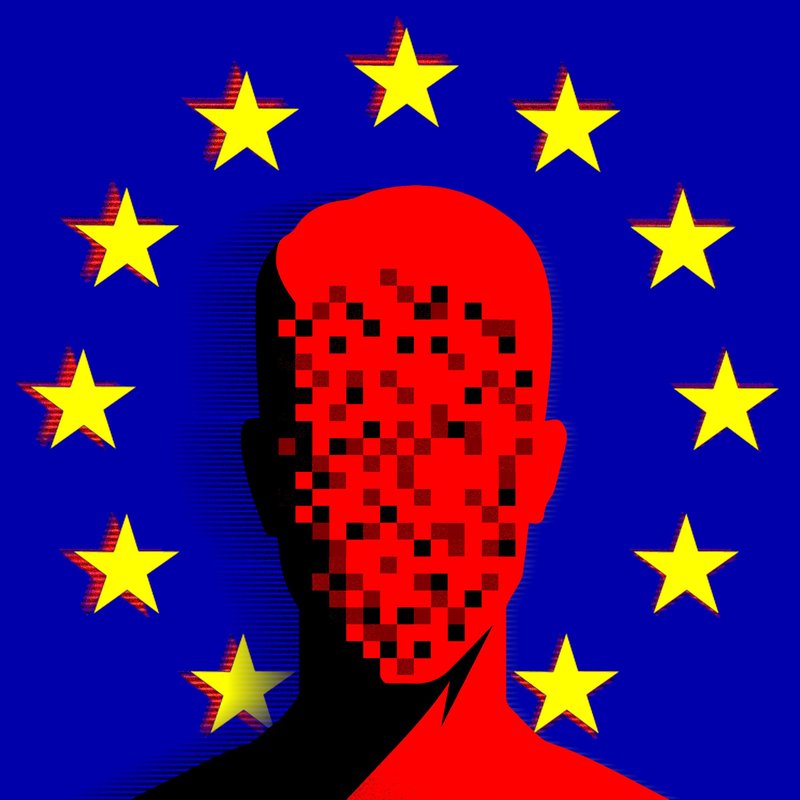
The European Commission has announced the release of an open-source application designed for user age verification. Unveiled by Commission President Ursula von der Leyen and digital chief Virkkunen, this initiative aims to provide an effective tool for online child protection while ensuring individual privacy. The application is now ready to enter a pilot phase with the Union's member states.
The technological core of this solution lies in the adoption of Zero-Knowledge Proof (ZKP) cryptography. This innovative technology allows users to demonstrate that they meet a specific requirement, such as a minimum age, without having to reveal any sensitive personal information to the platform or service requesting verification. This approach is particularly relevant in a context where there is not yet a binding EU-wide minimum age for accessing certain digital services.
Zero-Knowledge Proof Technology for Privacy
Zero-Knowledge Proof is a cryptographic protocol that allows one party (the "prover") to prove to another party (the "verifier") that a certain statement is true, without revealing any information beyond the truth of the statement itself. In the context of the age verification app, this means a user can prove they are, for example, over 18, without having to disclose their exact date of birth, name, or other identifying data.
This mechanism offers a significantly higher level of privacy protection compared to traditional methods, which often require sharing identification documents or other sensitive information. The implementation of ZKP in an open-source application further strengthens transparency and trust, allowing experts and communities to verify the integrity of the code and the effectiveness of privacy guarantees.
Implications for Data Sovereignty and Self-Hosted Deployments
The European Union's approach, favoring an open-source and privacy-centric solution, has significant implications for organizations operating with AI and LLM workloads, particularly those evaluating on-premise or self-hosted deployments. The choice of a technology like Zero-Knowledge Proof, combined with the open-source nature of the application, underscores the importance of data sovereignty and direct control over infrastructure.
For companies and institutions managing sensitive data, the ability to maintain control over verification processes and not depend on third-party services for personal information management is crucial. Solutions of this type can be integrated into local stacks, offering greater control over TCO and regulatory compliance, especially in air-gapped environments or those with stringent security requirements. AI-RADAR, through its analytical frameworks on /llm-onpremise, offers tools to evaluate the trade-offs between self-hosted and cloud solutions, highlighting how technological choices can directly impact data sovereignty and security.
Future Prospects and Adoption Challenges
Entering a pilot phase with member states represents a crucial step for the application. This phase will allow for testing the effectiveness, usability, and interoperability of the solution in real-world contexts and with diverse national regulations. Challenges will include harmonization with existing legislation and achieving widespread adoption by platforms and users.
The success of this initiative could set an important precedent for the development of other digital solutions that balance the need for verification with privacy protection. The EU's commitment to open source and technologies that safeguard personal data reflects a strategic vision aimed at building a more secure and reliable digital ecosystem for all citizens.







💬 Comments (0)
🔒 Log in or register to comment on articles.
No comments yet. Be the first to comment!