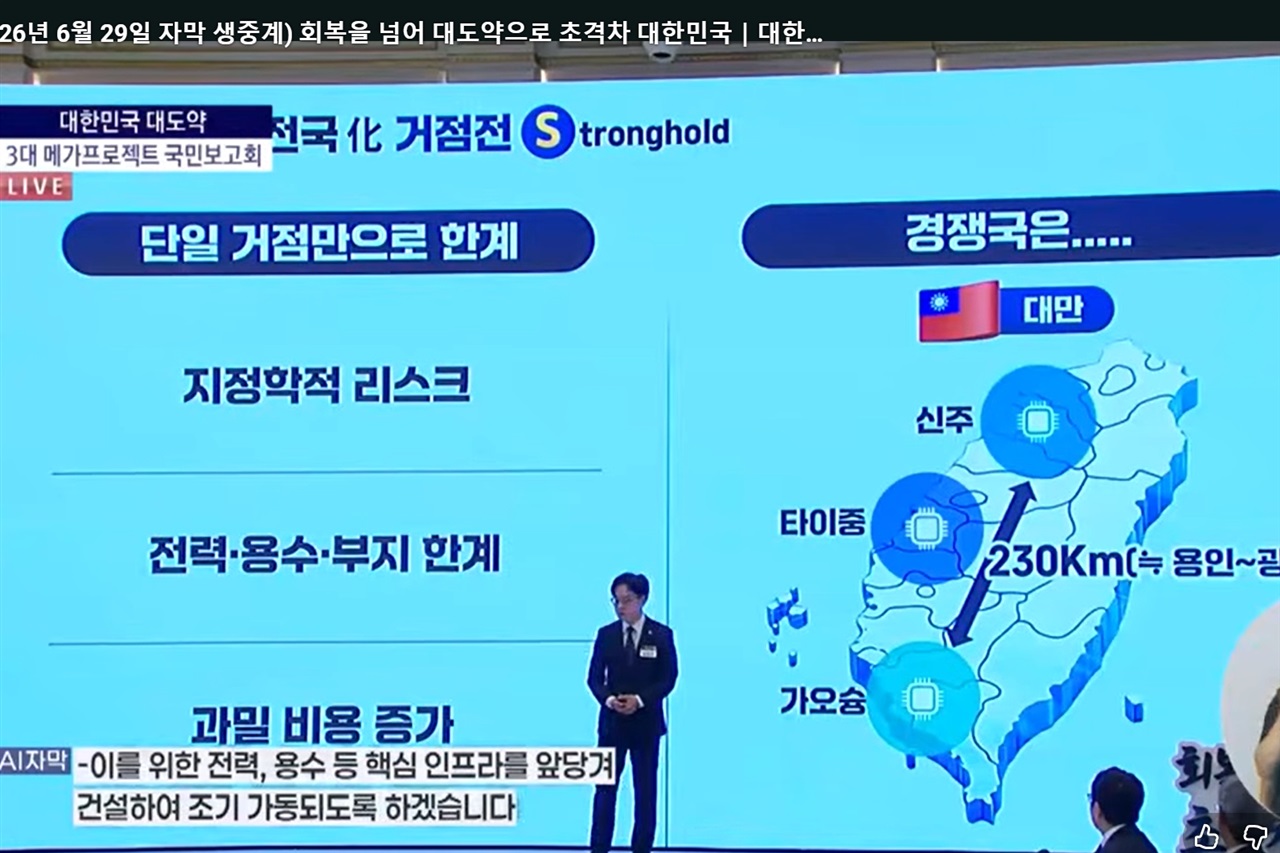
South Korea Looks to Taiwan for Semiconductor Decentralization Model
South Korea is examining Taiwan's model for semiconductor production decentralization, a move that underscores growing global concern for the resilience of technology supply chains. This initiative reflects a broader strategy aimed at mitigating geopolitical risks and ensuring greater stability in accessing critical components, which are fundamental for innovation in sectors such as artificial intelligence.
Taiwan's Lesson and Supply Chain Fragility
Taiwan, with its highly concentrated semiconductor manufacturing ecosystem, particularly through giants like TSMC, has long been an irreplaceable pillar for the global tech industry. However, this centralization, while efficient, exposes the entire supply chain to significant vulnerabilities, both from natural events and geopolitical tensions. The pursuit of decentralization models by nations like South Korea highlights an acute awareness of these fragilities and the need to build greater redundancy and security. For companies dependent on these components, supply chain stability directly translates into cost predictability and hardware availability.
Implications for On-Premise AI Deployments
For CTOs, DevOps leads, and infrastructure architects evaluating on-premise Large Language Model (LLM) deployments, the stability of the semiconductor supply chain is a critical factor. The availability of advanced silicon, particularly GPUs with high VRAM and computing capabilities, is the foundation of any local AI infrastructure. Greater decentralization could, in the long run, lead to a reduction in Total Cost of Ownership (TCO) due to lower price volatility and easier procurement. Furthermore, it strengthens data sovereignty, allowing organizations to have more direct control over the hardware processing sensitive information, a crucial aspect for air-gapped environments or those subject to stringent compliance regulations.
The Challenges of Production Diversification
Adopting a decentralization model is not without its challenges. Building new semiconductor fabs requires massive investments, years of work, and access to a highly specialized talent pool. Moreover, technological complexity and the need to maintain extremely high production standards make it difficult to quickly replicate the efficiency and quality achieved by industry leaders. South Korea, despite having its own robust semiconductor industry, is clearly seeking to learn from the resilience and innovation strategies that have allowed Taiwan to dominate the sector.
Towards a More Resilient Future
South Korea's interest in the Taiwanese model for semiconductor decentralization is a clear signal of how nations are rethinking their industrial strategies in an era of increasing uncertainty. For companies investing in self-hosted AI infrastructures, these market dynamics are fundamental. A more robust and diversified supply chain not only ensures continuous access to necessary hardware but also helps create a more stable global technological ecosystem, less susceptible to disruptions, supporting long-term growth and innovation.




💬 Comments (0)
🔒 Log in or register to comment on articles.
No comments yet. Be the first to comment!