AI and the Race for Raw Materials: The Case of Copper
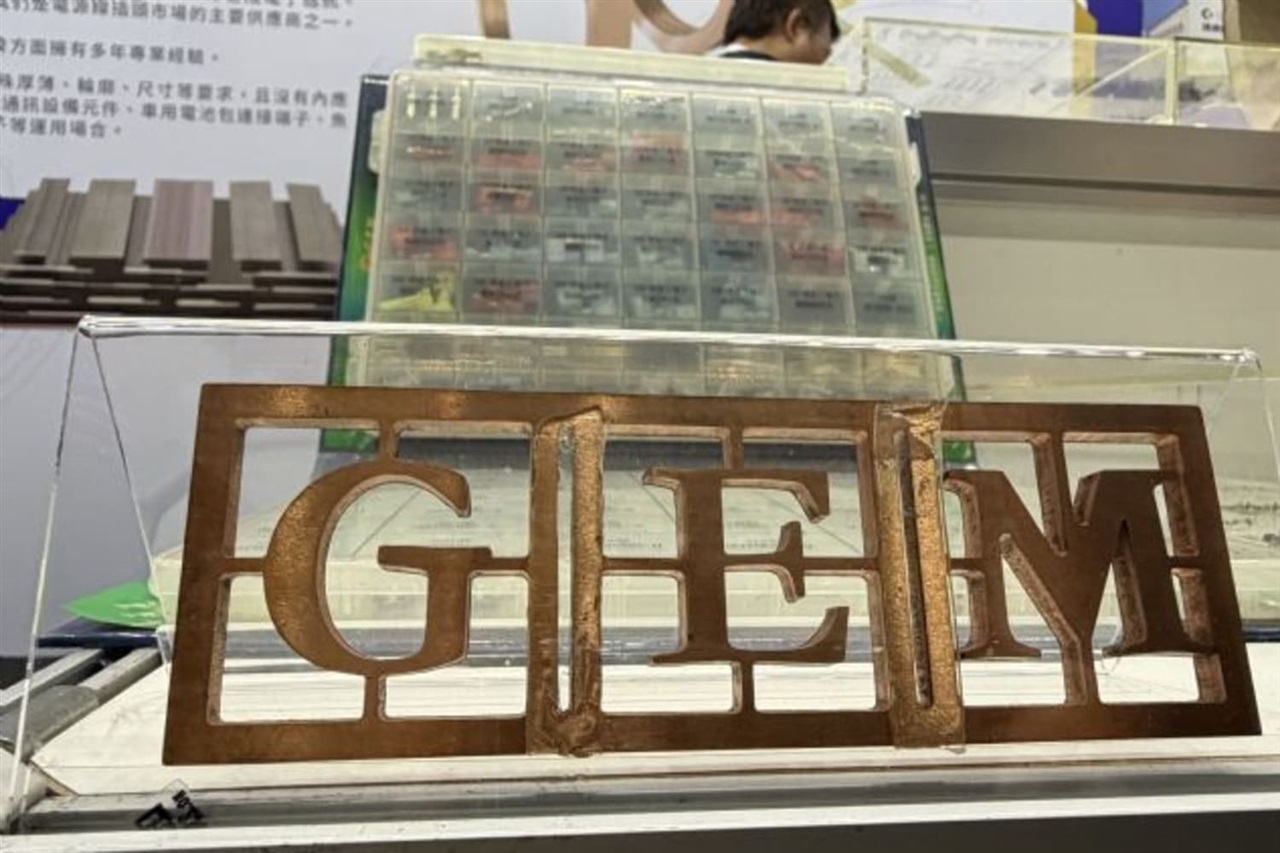
The artificial intelligence sector, particularly the expansion of Large Language Models (LLM), is generating a ripple effect that extends far beyond software and advanced chips, reaching the very foundations of technological infrastructure: raw materials. A recent report by DIGITIMES highlights how GEM Terminals recorded a 72% increase in copper sales in May 2026, explicitly attributing this growth to AI-driven demand. This data is not merely a market indicator but a concrete signal of the pressures the industry is exerting on global resources.
Copper is a crucial metal for modern electronics. Its excellent thermal and electrical conductivity makes it indispensable for internal data center cabling, high-performance cooling systems, printed circuit boards (PCBs), and, notably, for the Graphics Processing Units (GPUs) that power AI workloads. The surge in copper demand directly reflects the need to build and enhance the physical infrastructure required for training and inference of increasingly complex and large-scale LLMs.
The Impact on AI Infrastructure and On-Premise Deployments
The rising cost of raw materials like copper has direct repercussions on the planning and Total Cost of Ownership (TCO) of AI deployments, especially for self-hosted and on-premise solutions. Organizations choosing to maintain control over their data and infrastructure, for reasons of data sovereignty, compliance, or security, face significant initial investments (CapEx) for hardware procurement and data center construction. Fluctuations in commodity prices can drastically alter these budgets, making long-term cost forecasting more complex.
For CTOs, DevOps leads, and infrastructure architects, the availability and cost of copper translate into a direct impact on the production of GPUs, servers, and cooling systems. An increase in copper demand and prices can lead to delays in hardware deliveries or an increase in the final prices of components, affecting the scalability and accessibility of on-premise AI solutions. This scenario requires careful evaluation of the trade-offs between initial investment and the long-term benefits of full infrastructure control.
Strategies to Address Supply Chain Pressure
In the face of these market dynamics, companies focusing on on-premise deployments for their AI workloads must adopt proactive strategies. Diversification of suppliers, long-term planning for hardware purchases, and optimization of existing resource utilization become critical factors. Energy efficiency and the adoption of advanced cooling solutions can not only reduce operational costs (OpEx) but also mitigate dependence on specific materials, contributing to greater infrastructure sustainability.
In this context, the choice between a cloud approach and a self-hosted deployment becomes even more nuanced. While the cloud abstracts the complexities of the supply chain and raw material costs, transferring them to an OpEx model, on-premise solutions offer unparalleled control over data and security. For those evaluating these trade-offs, AI-RADAR provides analytical frameworks at /llm-onpremise to support informed decisions, considering all factors from data sovereignty to overall TCO.
Future Outlook for the AI Market and Resources
The acceleration of AI demand, as evidenced by GEM Terminals' increased copper sales, suggests that the industry is only at the beginning of a growth cycle that will require significant resources. This trend will not be limited to copper but will likely affect other rare metals and essential components for advanced electronics. An organization's ability to navigate this evolving resource landscape will be a determining factor for the success of its AI projects.
The sustainability of AI growth will partly depend on the industry's ability to innovate in resource management and hardware design, seeking alternatives or improving material usage efficiency. For technical decision-makers, monitoring raw material market trends and understanding their implications for the AI hardware supply chain will be crucial to ensuring the resilience and competitiveness of their infrastructures in the long term.









💬 Comments (0)
🔒 Log in or register to comment on articles.
No comments yet. Be the first to comment!