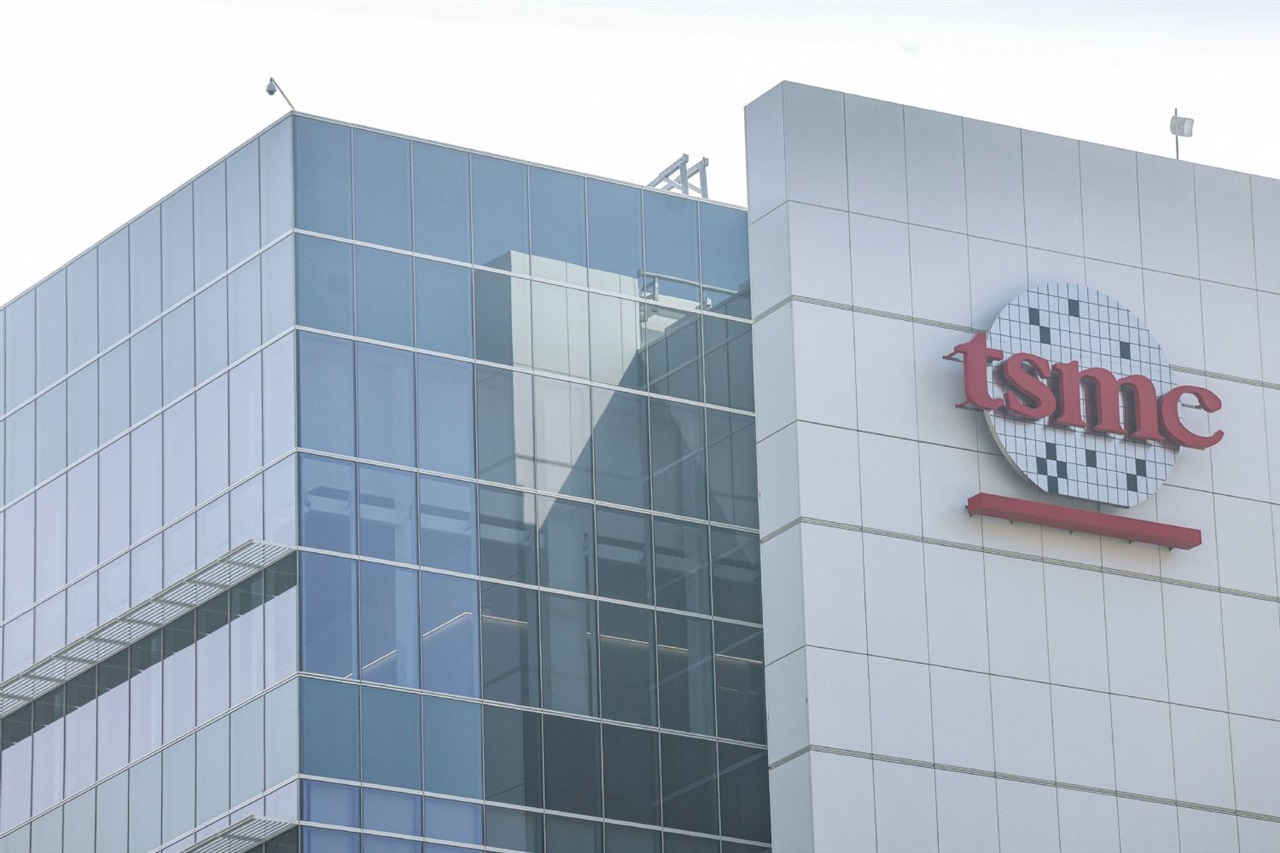
Taiwan at the Heart of AI Expansion
The compute supplier sector based in Taiwan is experiencing a period of strong growth, driven by the rapidly expanding demand in artificial intelligence. This phenomenon is not limited to a few players but extends to several companies that are consolidating their position in the global market. Taiwan's status as a key manufacturing hub for semiconductors and electronic components makes it an indispensable epicenter for global AI infrastructure.
The production and innovation capabilities of Taiwanese companies are crucial for supporting the development and deployment of Large Language Models (LLM) and other AI applications. The availability of high-performance hardware, from GPUs to complete servers, is a prerequisite for training increasingly complex models and for efficient large-scale Inference execution. This scenario highlights global dependence on a concentrated supply chain, with significant implications for technological stability and security.
The Impact on AI Infrastructure Demand
The increase in AI demand directly translates into a massive requirement for computing capacity. Companies, from startups to tech giants, need specific hardware to handle intensive workloads, both for training and Inference. This includes GPUs with high VRAM, specialized processors, and high-speed storage solutions, all components often produced or assembled in Taiwan.
For those evaluating on-premise deployments, the robustness of the Taiwanese supply chain is a critical factor. The availability of silicon and complete systems directly influences delivery times, costs, and the ability to scale AI infrastructures. Access to cutting-edge hardware is essential for maintaining data sovereignty and full control over the computing environment, which are priority aspects for many organizations that do not wish to rely solely on external cloud services.
Considerations for On-Premise Deployment
The growth of Taiwanese suppliers offers both opportunities and challenges for on-premise deployment strategies. On one hand, a potentially larger supply of hardware can mitigate shortage risks and stabilize prices in the long term. On the other hand, the geographical concentration of production can expose to geopolitical vulnerabilities or supply chain disruptions, factors that CTOs and infrastructure architects must carefully consider when calculating the Total Cost of Ownership (TCO) and planning for resilience.
The choice between self-hosted and cloud solutions for AI workloads depends on a careful evaluation of these trade-offs. AI-RADAR provides analytical frameworks on /llm-onpremise to support organizations in assessing the constraints and opportunities related to on-premise deployments, including aspects such as latency, throughput, and specific VRAM requirements for LLM models. The ability to procure and manage hardware efficiently is a fundamental pillar for the success of autonomous AI strategies.
Future Prospects and Supply Chain Resilience
The growth trend of Taiwanese compute suppliers is set to continue, in parallel with the evolution and spread of AI. Innovations in chip design and packaging techniques will continue to emerge from this region, directly influencing the capabilities and costs of global AI infrastructures. For companies aiming to build and maintain their AI capabilities on-premise, monitoring this market trend is crucial.
Supply chain resilience will become an increasingly relevant topic. Diversifying suppliers, where possible, and planning hardware acquisition in advance are essential strategies to mitigate risks. Taiwan's ability to maintain its technological and manufacturing leadership will be a determining factor for the speed and direction of artificial intelligence development in the coming years, with direct impacts on companies' ability to innovate and compete.






💬 Comments (0)
🔒 Log in or register to comment on articles.
No comments yet. Be the first to comment!