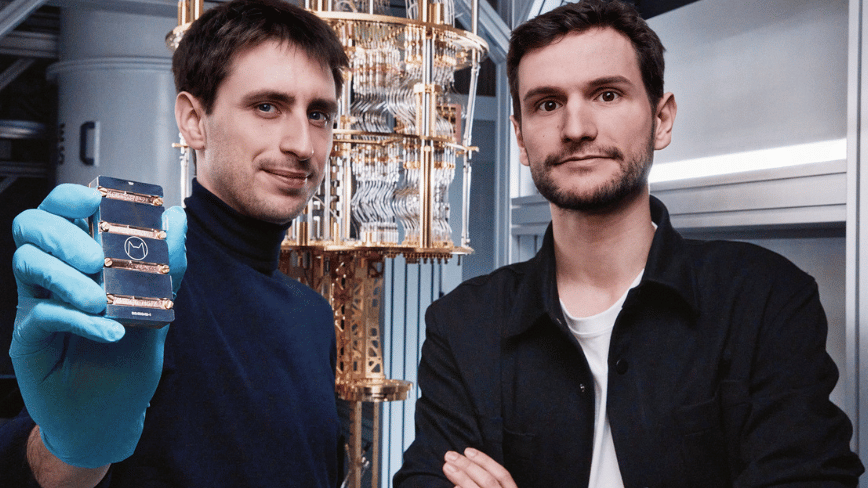
L'Ambizione Europea nel Quantum Computing
Per un decennio, l'Europa ha osservato le aziende americane e cinesi dominare le principali ondate tecniciche, dal cloud al mobile, dai social all'intelligenza artificiale. Questa tendenza ha evidenziato una crescente dipendenza tecnicica e una perdita di competitività in settori strategici. Tuttavia, il panorama potrebbe cambiare con l'avvento del quantum computing, un campo in cui il continente vede una concreta opportunità di affermare la propria leadership.
In questo contesto, la Francia si sta posizionando come un attore chiave, annunciando un significativo investimento di 500 milioni di euro. Questa mossa strategica mira a catalizzare lo sviluppo del settore a livello nazionale, con l'obiettivo di trasformare la Francia in un serio contendente nella corsa globale al calcolo quantistico.
Un Investimento Strategico per la Sovranità Tecnologica
L'investimento francese non è solo una questione economica, ma rappresenta una chiara dichiarazione di intenti verso la sovranità tecnicica. I 500 milioni di euro sono destinati a sostenere un cluster di startup francesi, alimentando l'innovazione e la creazione di un ecosistema robusto. Questo approccio è rafforzato da alcune delle più solide ricerche nel campo della fisica a livello mondiale, fornendo una base scientifica fondamentale per lo sviluppo di tecnicie quantistiche all'avanguardia.
La scelta di puntare sul quantum computing riflette la consapevolezza che questa tecnicia potrebbe ridefinire interi settori, dalla crittografia alla medicina, dalla logistica alla finanza. Per i decision-maker che valutano alternative self-hosted vs cloud, l'investimento in capacità locali e il controllo sulla tecnicia di base sono aspetti cruciali, e questa iniziativa francese si allinea a tale filosofia, mirando a ridurre la dipendenza da soluzioni esterne e a garantire il controllo sui dati e sulle infrastrutture critiche.
Implicazioni per l'Ecosistema Tech e i Deployment On-Premise
Il successo di iniziative come quella francese potrebbe avere ampie implicazioni per l'intero ecosistema tecnicico europeo. Un forte sviluppo del quantum computing a livello locale potrebbe stimolare la creazione di nuove competenze, infrastrutture e Framework, riducendo la necessità di affidarsi a fornitori esterni per tecnicie strategiche. Questo è particolarmente rilevante per le organizzazioni che privilegiano deployment on-premise o air-gapped, dove la sovranità dei dati e il controllo completo sull'hardware e sul software sono prioritari.
Sebbene il quantum computing sia ancora in una fase relativamente iniziale, la capacità di sviluppare e controllare queste tecnicie a livello nazionale può offrire vantaggi significativi in termini di sicurezza, compliance e TCO a lungo termine. Per chi valuta deployment on-premise per carichi di lavoro AI/LLM, l'esperienza e le infrastrutture che emergeranno da questi investimenti potrebbero, in futuro, influenzare anche le strategie di adozione e gestione di altre tecnicie emergenti.
Prospettive Future e la Corsa Globale
L'ambizione della Francia e dell'Europa nel quantum computing è chiara: non solo partecipare, ma guidare. Questa corsa globale è caratterizzata da investimenti massicci e da una competizione feroce tra le maggiori potenze mondiali. Il successo dipenderà dalla capacità di tradurre la ricerca scientifica in soluzioni pratiche e scalabili, supportando le startup e garantendo un flusso costante di talenti.
L'iniziativa francese rappresenta un passo significativo verso la costruzione di un futuro tecnicico più autonomo per l'Europa. Resta da vedere come questi 500 milioni di euro si tradurranno in progressi concreti e se l'Europa riuscirà a superare le sfide tecniche e di mercato per affermarsi come leader indiscusso in questa prossima grande ondata tecnicica.







💬 Commenti (0)
🔒 Accedi o registrati per commentare gli articoli.
Nessun commento ancora. Sii il primo a commentare!