L'Impatto degli 800V sui Data Center per l'AI
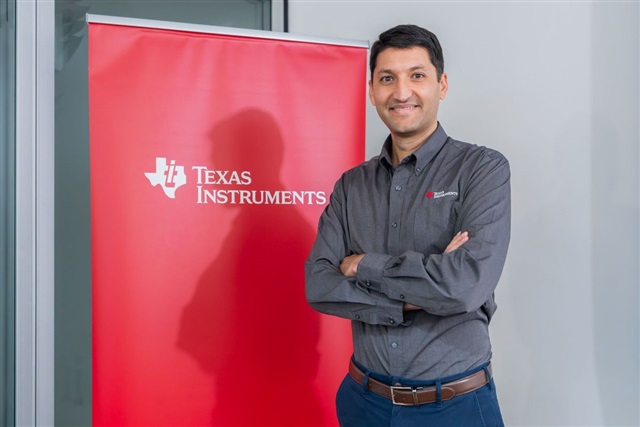
L'evoluzione dei Large Language Models (LLM) e dei carichi di lavoro di intelligenza artificiale sta spingendo i data center verso requisiti energetici senza precedenti. Per affrontare questa sfida, l'industria sta esplorando soluzioni innovative per la distribuzione dell'energia, tra cui l'adozione di architetture a 800V. Texas Instruments (TI), un attore chiave nel settore dei semiconduttori, ha evidenziato che la sicurezza sarà il fattore primario che determinerà l'adozione di questa tecnicia nei data center dedicati all'AI e, di conseguenza, influenzerà la selezione dei fornitori.
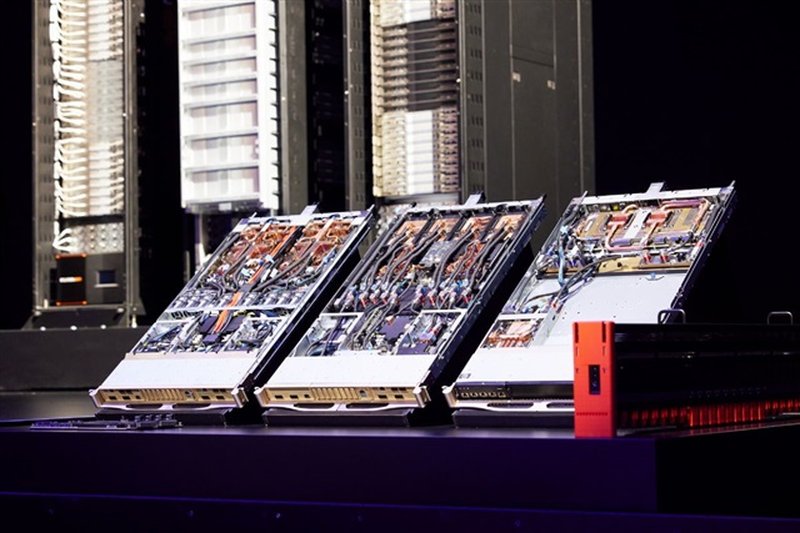
L'incremento della densità di calcolo, trainato dall'impiego massivo di GPU ad alte prestazioni, comporta un aumento esponenziale del consumo energetico per rack. Le infrastrutture di alimentazione tradizionali a 48V o 208V/400V AC stanno raggiungendo i loro limiti in termini di efficienza e capacità di erogazione. L'architettura a 800V promette di ridurre le perdite di trasmissione e di supportare potenze maggiori, elementi cruciali per i deployment on-premise e self-hosted dove l'ottimizzazione del TCO e la gestione termica sono prioritari.
Le Sfide Tecniche e di Sicurezza dell'Alta Tensione
Sebbene i benefici in termini di efficienza e capacità siano evidenti, l'implementazione di sistemi a 800V introduce nuove e complesse sfide tecniche, in particolare sul fronte della sicurezza. La gestione di tensioni più elevate richiede componenti specifici, protocolli di sicurezza rigorosi e una progettazione attenta per prevenire archi elettrici, surriscaldamenti e altri rischi operativi. I team di ingegneria e DevOps che gestiscono infrastrutture AI devono considerare attentamente l'affidabilità e la robustezza dei sistemi di protezione.
Per i CTO e gli architetti di infrastruttura che valutano il deployment di carichi di lavoro AI in ambienti on-premise, la transizione a 800V non è solo una questione di efficienza energetica, ma anche di conformità agli standard di sicurezza e di mitigazione del rischio. La scelta di fornitori con comprovata esperienza e soluzioni certificate in questo ambito diventerà fondamentale. La capacità di un fornitore di garantire la sicurezza operativa sarà un distinguo chiave in un mercato in rapida evoluzione.
Implicazioni per i Deployment On-Premise e il TCO
L'adozione degli 800V ha profonde implicazioni per i deployment on-premise e per il Total Cost of Ownership (TCO) delle infrastrutture AI. Un sistema di alimentazione più efficiente può ridurre i costi operativi legati all'energia e al raffreddamento, ma i costi iniziali (CapEx) per l'aggiornamento dell'infrastruttura potrebbero essere significativi. È essenziale bilanciare questi fattori, considerando anche la longevità e la scalabilità della soluzione.
La sovranità dei dati e la necessità di ambienti air-gapped per determinati carichi di lavoro rendono i deployment self-hosted una scelta obbligata per molte organizzazioni. In questo contesto, avere il controllo completo sull'infrastruttura di alimentazione, inclusi gli aspetti di sicurezza legati agli 800V, diventa critico. Per chi valuta deployment on-premise, AI-RADAR offre framework analitici su /llm-onpremise per valutare i trade-off tra efficienza, sicurezza e costi, fornendo una base solida per decisioni informate.
Prospettive Future e Selezione dei Fornitori
Il futuro dei data center AI è intrinsecamente legato alla capacità di gestire potenze sempre maggiori in modo sicuro ed efficiente. La posizione di Texas Instruments evidenzia un punto cruciale: la tecnicia da sola non basta. La fiducia nella sicurezza operativa sarà il vero catalizzatore per l'adozione su larga scala degli 800V. Questo spingerà i fornitori a investire non solo in innovazione tecnicica, ma anche in soluzioni di sicurezza robuste e certificate.
Le aziende che riusciranno a dimostrare un impegno inequivocabile verso la sicurezza e l'affidabilità dei loro componenti e sistemi a 800V saranno quelle che si affermeranno nel mercato. Per i decision-maker tecnici, ciò significa che la due diligence sui fornitori dovrà estendersi ben oltre le specifiche di performance, includendo una valutazione approfondita delle loro capacità di garantire la sicurezza in ambienti ad alta tensione. La scelta del partner tecnicico diventerà una decisione strategica che impatterà direttamente la resilienza e la sostenibilità delle infrastrutture AI.







💬 Commenti (0)
🔒 Accedi o registrati per commentare gli articoli.
Nessun commento ancora. Sii il primo a commentare!