PCB Dependency and AI Risks
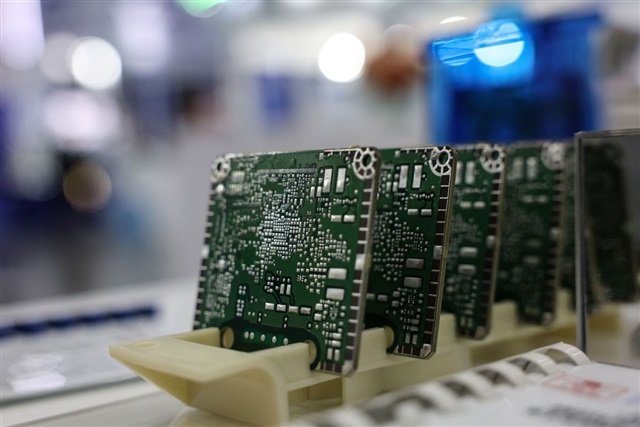
Printed Circuit Boards (PCBs) form the backbone of every modern electronic device, from server motherboards to the high-performance GPUs that power Large Language Models (LLM) workloads. Their manufacturing is a complex and highly specialized process, requiring advanced expertise and dedicated infrastructure. The source indicates that the United States is focusing on its dependency on Chinese production of these critical components.
This move is not coincidental but responds to growing concerns about the stability and security of global supply chains. In an era where artificial intelligence and defense capabilities are increasingly interconnected and strategic, vulnerability in the supply of fundamental hardware components can have significant repercussions for national security and technological innovation.
Implications for On-Premise AI Infrastructure
For organizations evaluating or managing on-premise LLM deployments, the issue of the PCB supply chain takes on crucial importance. The availability and provenance of hardware components directly influence the ability to build and maintain robust and reliable infrastructures. An excessive concentration of production in a single geographical area introduces risks of disruption, delays, and potential cost increases, factors that directly impact the Total Cost of Ownership (TCO) of a self-hosted AI infrastructure.
The choice of an on-premise deployment is often motivated by the desire for greater control over data, security, and compliance. However, this control can be compromised if basic hardware components originate from supply chains with geopolitical vulnerabilities. The ability to guarantee data integrity and sovereignty begins at the silicon level, and the provenance of PCBs is a fundamental element in this chain of trust.
Technological Sovereignty and Supply Chain Resilience
The US initiative highlights a broader trend towards "technological sovereignty," a concept aimed at reducing reliance on external suppliers for strategic technologies. This translates into investments in domestic production or the diversification of sourcing. For the AI sector, this could mean increased complexity in hardware planning and procurement management, but also greater long-term resilience.
Companies operating with sensitive AI workloads, such as those in the financial or government sectors, often require air-gapped environments or strict compliance requirements. The transparency and stability of the PCB supply chain therefore become a prerequisite for meeting these needs, influencing investment decisions in specific hardware for LLM inference and training.
Future Outlook for the AI Hardware Ecosystem
The US move could accelerate the fragmentation of global supply chains, pushing towards the creation of more regionalized production ecosystems. While this might increase initial costs due to reduced economies of scale, it could also offer greater security and predictability for companies relying on critical hardware. For those considering on-premise deployments, it is essential to factor these geopolitical and supply chain considerations into their infrastructure acquisition and management strategy.
AI-RADAR, through its analyses on /llm-onpremise, offers frameworks to evaluate the trade-offs between costs, performance, and supply chain risks, supporting decision-makers in choosing the architectures best suited to their sovereignty and control needs. The resilience of the PCB supply chain will become an increasingly decisive factor for the ability to innovate and operate securely in the artificial intelligence landscape.









💬 Comments (0)
🔒 Log in or register to comment on articles.
No comments yet. Be the first to comment!