La Trasformazione del Mercato Taiwanese: Oltre gli Smartphone
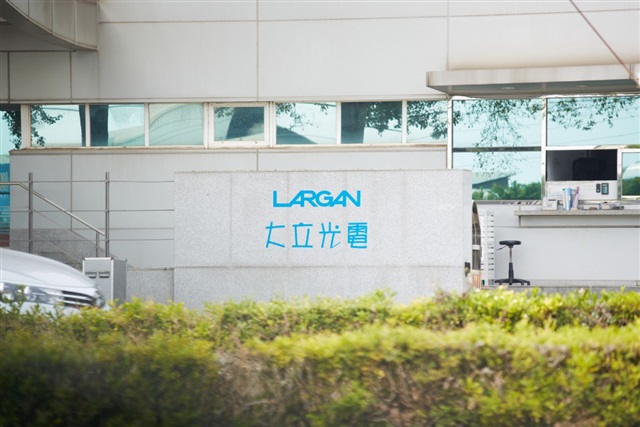
Il panorama tecnicico è in costante evoluzione, e con esso le strategie dei principali attori globali. Un esempio significativo emerge da Taiwan, dove i produttori tradizionalmente focalizzati sulle lenti per smartphone stanno operando un pivot strategico. L'attenzione si sposta ora verso tecnicie all'avanguardia come le Co-Packaged Optics (CPO) e la fotonica al silicio, segnando un allontanamento o, più precisamente, un'espansione oltre il loro mercato storico.
Questa mossa riflette una più ampia tendenza del settore, dove la domanda di componenti ad alte prestazioni è sempre più trainata dalle esigenze dei carichi di lavoro di intelligenza artificiale e Large Language Models (LLM). La necessità di elaborare e trasferire enormi quantità di dati con velocità e efficienza crescenti sta ridefinendo le priorità nella catena di fornitura hardware, spingendo le aziende a innovare e adattarsi a nuovi segmenti di mercato ad alto valore aggiunto.
CPO e Fotonica al Silicio: Il Cuore dell'Framework AI
Le Co-Packaged Optics (CPO) rappresentano un'innovazione cruciale nel campo delle interconnessioni. Questa tecnicia integra i componenti ottici direttamente nello stesso package del chip elettrico, come un ASIC per switch o una GPU. L'obiettivo principale è superare i limiti delle connessioni elettriche tradizionali, che soffrono di perdite di segnale, consumo energetico elevato e latenza crescente all'aumentare delle velocità di trasmissione. I benefici delle CPO includono una maggiore densità di larghezza di banda, una significativa riduzione del consumo energetico e una latenza inferiore, fattori critici per i cluster di GPU e le reti ad alte prestazioni che alimentano i carichi di lavoro AI.
Parallelamente, la fotonica al silicio sfrutta il silicio come mezzo per trasmettere dati utilizzando la luce anziché gli elettroni. Questa tecnicia consente di realizzare circuiti ottici su larga scala utilizzando processi di fabbricazione del silicio esistenti, rendendola economicamente vantaggiosa. La fotonica al silicio offre velocità di trasmissione dati estremamente elevate, un consumo energetico ridotto e la capacità di integrare funzionalità ottiche complesse in un'unica piattaforma. Entrambe le tecnicie sono fondamentali per affrontare i colli di bottiglia nel trasferimento dati e nella connettività all'interno dei data center moderni, dove la mole di dati generata e processata dagli LLM richiede soluzioni di interconnessione sempre più sofisticate.
Implicazioni per i Deployment On-Premise e il TCO
L'adozione di CPO e fotonica al silicio ha profonde implicazioni per le organizzazioni che valutano deployment on-premise di infrastrutture AI. Migliori interconnessioni si traducono direttamente nella capacità di costruire cluster GPU più efficienti e scalabili all'interno dei propri data center. La riduzione del consumo energetico e l'aumento della densità di larghezza di banda contribuiscono a un Total Cost of Ownership (TCO) inferiore nel lungo periodo per le infrastrutture self-hosted, mitigando parte dell'investimento iniziale (CapEx) richiesto per l'hardware.
Queste tecnicie supportano anche gli obiettivi di sovranità dei dati e compliance, consentendo alle aziende di mantenere il controllo completo sui propri dati e carichi di lavoro AI in ambienti air-gapped o strettamente controllati. Mentre i provider cloud beneficiano anch'essi di queste innovazioni, l'accesso a componenti all'avanguardia permette alle aziende di progettare stack on-premise altamente ottimizzati, bilanciando performance, sicurezza e costi operativi. Per chi valuta deployment on-premise, AI-RADAR offre framework analitici su /llm-onpremise per valutare i trade-off tra diverse architetture e soluzioni hardware.
Prospettive Future e Sfide Tecnologiche
Il pivot dei produttori taiwanesi verso CPO e fotonica al silicio non è solo una reazione alle attuali esigenze del mercato, ma anche un investimento nelle future direzioni della tecnicia. Le tendenze indicano una continua integrazione e un aumento delle velocità di trasmissione, con l'obiettivo di raggiungere e superare standard come 800G e 1.6T. Tuttavia, la strada non è priva di sfide. La complessità manifatturiera, la gestione termica dei componenti integrati e la necessità di standardizzazione a livello di settore rappresentano ostacoli significativi che richiedono ricerca e sviluppo continui.
Il ruolo di Taiwan, un hub cruciale nella catena di fornitura tecnicica globale, è destinato a crescere ulteriormente in questo segmento. La capacità di innovare e produrre componenti essenziali per l'infrastruttura AI posiziona questi produttori al centro della rivoluzione dell'intelligenza artificiale, fornendo le fondamenta hardware necessarie per l'evoluzione degli LLM e delle applicazioni AI enterprise. La loro capacità di adattamento sarà determinante per il successo delle future generazioni di data center e sistemi di calcolo ad alte prestazioni.





💬 Commenti (0)
🔒 Accedi o registrati per commentare gli articoli.
Nessun commento ancora. Sii il primo a commentare!