India's Industrial Challenges Amid Dependencies and Ambitions
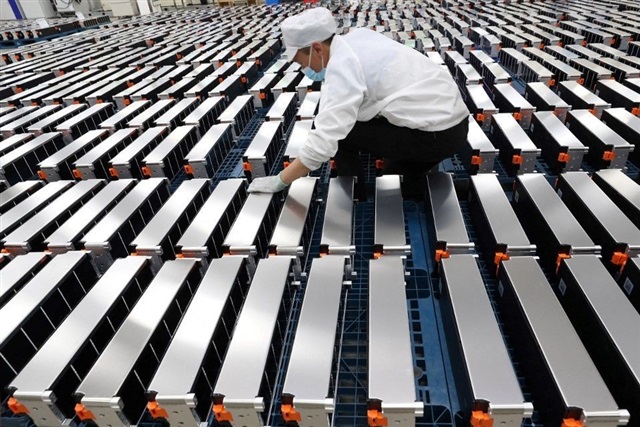
India, with its growing industrial ambitions, is facing significant obstacles. Dependence on external supply chains, particularly for critical technologies, is slowing the development of strategic sectors such as batteries and electric vehicles. China's tightening of access to certain technologies is emerging as a crucial limiting factor for the country's economic growth and innovation.
This situation underscores a broader global trend where control over key technological components becomes a strategic asset. Nations are increasingly aware of the vulnerabilities inherent in highly interconnected yet concentrated supply chains, which can expose their economies to geopolitical risks and unexpected disruptions.
The Context of Global Technology Supply Chains
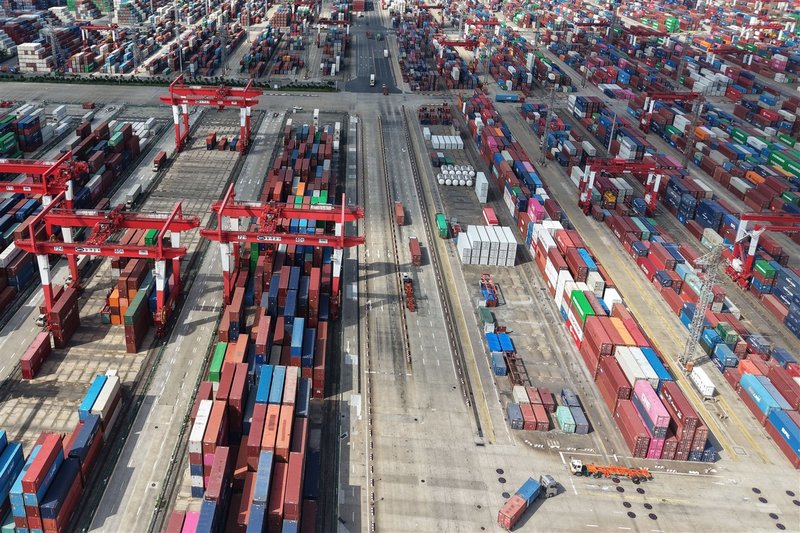
Global supply chains for advanced technologies are inherently complex and often concentrated in a few regions or countries. For sectors like batteries, which require rare materials and specific manufacturing processes, reliance on a single supplier or a limited group of actors can create significant bottlenecks. A country's ability to control access to these technologies can directly impact the competitiveness and economic security of other nations.
This scenario concerns not only finished products but also extends to intermediate components, raw materials, and technological know-how. Managing these dependencies is fundamental for any long-term industrial development strategy, especially in technology-intensive sectors where innovation is rapid and the demand for specific resources is high.
Implications for Innovation and Technology Deployment
Restrictions on technology access can have broad repercussions, affecting a country's ability to innovate and deploy new solutions. In the context of AI and Large Language Models (LLMs), for example, the availability of specific hardware, such as high-performance GPUs, depends on robust and open global supply chains. Although the source does not directly refer to these aspects, the difficulty in obtaining key components for batteries or electric vehicles is analogous to the challenges that might be encountered in procuring advanced silicio for AI model inference or training.
For those evaluating on-premise deployment, the stability and diversification of hardware supply chains are critical factors. Planning local infrastructures requires not only a Total Cost of Ownership (TCO) analysis but also an assessment of risks related to the procurement of essential components. AI-RADAR offers analytical frameworks on /llm-onpremise to evaluate these trade-offs, emphasizing the importance of considering supply chain resilience in strategic infrastructure decisions.
Future Prospects and the Pursuit of Technological Sovereignty
Faced with these challenges, many nations are reconsidering their procurement strategies and investing in domestic production or diversification of sources. The goal is to reduce vulnerability and increase technological sovereignty, ensuring that industrial development is not hampered by external decisions. This approach is crucial for emerging and strategic sectors, where control over technology can determine the success or failure of national ambitions.
India's situation is a clear example of how geopolitics and technological control intertwine, shaping the future of global industry. A country's ability to navigate this complex landscape will determine its position in the future technology economy, with significant implications for innovation, security, and competitiveness worldwide.





💬 Comments (0)
🔒 Log in or register to comment on articles.
No comments yet. Be the first to comment!