
The "Trillion-Dollar Feast": At the Heart of the AI Supply Chain
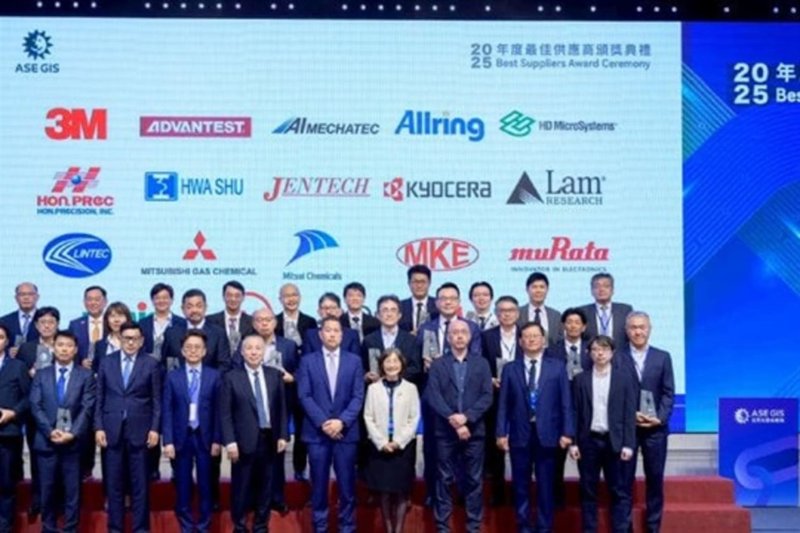
The recent dinners hosted by Jensen Huang, CEO of NVIDIA, in Taipei, described by Digitimes as a "trillion-dollar feast," are more than just social gatherings. They represent a significant barometer of the dynamics shaping the global artificial intelligence supply chain. These informal summits among key figures in the silicon and electronics industries highlight the intense activity and enormous economic value revolving around the development and deployment of AI technologies, particularly Large Language Models (LLMs).
Today's AI ecosystem is an unprecedented engine of innovation, but its growth is intrinsically linked to the availability of specialized hardware infrastructure. The discussions taking place in contexts like those in Taipei are crucial for defining production strategies, resource allocations, and ultimately, companies' ability to access the components needed to power their AI workloads. This scenario has direct repercussions for CTOs, DevOps leads, and infrastructure architects who must carefully plan their investments.
Hardware as a Strategic Bottleneck
The demand for specific AI hardware, particularly high-performance GPUs with ample VRAM, continues to outpace supply. This scarcity transforms the supply chain into a strategic bottleneck for many organizations. The ability to acquire, for example, cards like NVIDIA H100s or A100s, has become a critical factor for innovation speed and competitiveness. Decisions made at the top of the silicon industry directly influence delivery times, costs, and the availability of these fundamental resources.
For companies considering on-premise LLM deployments, supply chain visibility and reliability are crucial aspects. Unlike cloud environments, where hardware is abstracted as a service, a self-hosted infrastructure requires careful procurement planning. This includes managing lead times, negotiating with suppliers, and understanding market dynamics that can influence the long-term Total Cost of Ownership (TCO). The choice between a bare metal architecture or a containerized solution on dedicated hardware also depends on the ability to ensure a stable and predictable supply.
Data Sovereignty and TCO: Implications for On-Premise Deployment
The dynamics of the AI supply chain directly impact deployment decisions, especially for organizations prioritizing data sovereignty and regulatory compliance. Adopting on-premise or air-gapped solutions for LLM workloads offers unparalleled control over sensitive data and security. However, this approach makes companies more exposed to supply chain fluctuations and challenges. TCO planning must therefore consider not only the initial cost (CapEx) of hardware but also the operational costs associated with its management, maintenance, and, not least, its market availability.
The evaluation between a cloud and a self-hosted deployment has never been more complex. While the cloud offers flexibility and immediate scalability, it often entails limited control over data localization and operational costs that can escalate rapidly. On-premise solutions, while requiring a larger initial investment and more complex supply chain management, guarantee full sovereignty and potentially lower TCO in the long run, provided the procurement challenges are successfully navigated. For those evaluating on-premise deployments, AI-RADAR offers analytical frameworks on /llm-onpremise to assess these trade-offs informatively.
Future Outlook: Navigating the AI Supply Chain
The "trillion-dollar feast" in Taipei is a clear signal that the AI era is just beginning. The ability to innovate and implement LLM-based solutions will increasingly depend on understanding and effectively managing the complex supply chain that fuels this revolution. For CTOs, infrastructure architects, and decision-makers, it will be crucial to develop resilient strategies for hardware procurement, balancing performance, costs, and control requirements.
Interactions among industry giants, such as those facilitated by Jensen Huang, will continue to define the AI landscape. Understanding these market dynamics is not just a matter of journalistic curiosity but a strategic necessity for anyone intending to build and maintain a robust and competitive AI infrastructure. Supply chain transparency and predictability will become key factors for the success of AI projects, especially in contexts where sovereignty and control are priorities.







💬 Comments (0)
🔒 Log in or register to comment on articles.
No comments yet. Be the first to comment!