China's OSATs Pursue Enhanced Role Amid AI Chip Packaging Strain
Chinese companies specializing in semiconductor assembly and testing, known as OSATs (Outsourced Semiconductor Assembly and Test), are seeking to consolidate their position within the complex global supply chain. This ambition is largely fueled by the unprecedented demand for artificial intelligence chips, which is putting significant strain on the entire packaging industry. The ability to assemble and test these advanced components has become a critical factor for the availability and performance of AI solutions.
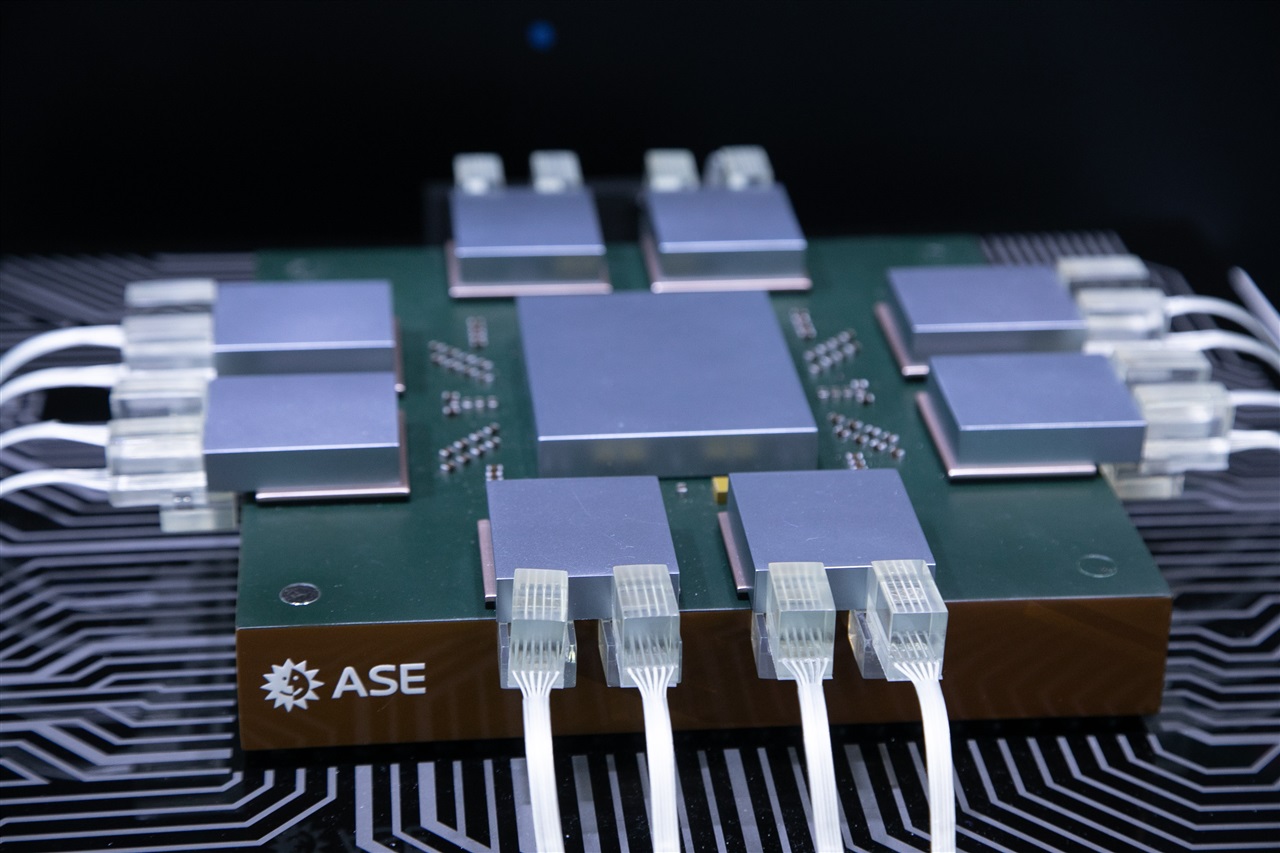
Semiconductor packaging, often underestimated, represents the final stage of chip production before it is integrated into a system. For AI chips, which demand high performance, bandwidth, and thermal dissipation, packaging is no longer just a protective enclosure but a fundamental technological element that directly influences the efficiency and reliability of the final component. The increasing complexity of these requirements is creating new opportunities and challenges for industry players.
The Crucial Role of Advanced Packaging
Modern AI accelerators, such as high-performance GPUs, critically depend on advanced packaging techniques to achieve the required performance levels. Technologies like 2.5D and 3D stacking, which allow for the integration of multiple chips (e.g., a processor and HBM – High Bandwidth Memory modules) on a single interposer or in vertical configurations, are essential. This approach not only reduces the distance between components, improving bandwidth and reducing latency, but also facilitates more efficient thermal management, which is crucial for chips consuming hundreds of watts.
HBM memory, in particular, is a prime example of how packaging directly impacts an AI chip's capabilities. By vertically stacking multiple DRAM dies and connecting them to the processor via an interposer, significantly higher memory bandwidth is achieved compared to traditional solutions. This capability is indispensable for powering Large Language Models (LLM) and other intensive AI workloads that require rapid access to vast amounts of data. A shortage in advanced packaging capacity thus translates into a bottleneck for the entire AI industry.
Implications for the Global Supply Chain and AI Deployments
The strain on the packaging supply chain has direct repercussions on the lead times and costs of AI chips, influencing the strategic decisions of companies planning to implement artificial intelligence solutions. For organizations evaluating on-premise deployments, the availability of specific hardware, such as GPUs with high VRAM and advanced interconnection capabilities, is a decisive factor. Packaging limitations can delay the acquisition of these resources, increasing the Total Cost of Ownership (TCO) and potentially pushing towards cloud solutions, with their associated implications for data sovereignty.
Reliance on a limited number of suppliers for advanced packaging also introduces significant risks in terms of supply chain resilience. For companies requiring air-gapped environments or needing to comply with stringent data residency regulations, the ability to procure hardware reliably and predictably is paramount. The pursuit of a larger role by Chinese OSATs can be seen as an attempt to diversify options and mitigate these risks, although it introduces new geopolitical dynamics into the sector.
Future Prospects and Strategic Autonomy
The expansion of advanced packaging capabilities, particularly by players in strategic regions, is an indicator of the growing importance of this stage of semiconductor production. This trend reflects a broader push towards autonomy and resilience in technology supply chains, a particularly relevant theme in a complex geopolitical context. The ability to control every stage of chip production, from design to fabrication, through assembly and testing, is perceived as a strategic advantage.
For the AI sector, a more robust and diversified packaging supply chain could lead to greater hardware availability, potentially more competitive costs, and increased flexibility for innovation. However, the path towards greater autonomy and distributed capacity is long and requires significant investment in research and development. Decisions made today in this segment of the supply chain will have a lasting impact on the speed and direction of artificial intelligence development globally.







💬 Comments (0)
🔒 Log in or register to comment on articles.
No comments yet. Be the first to comment!