Pressioni politiche sulla supply chain dei semiconduttori
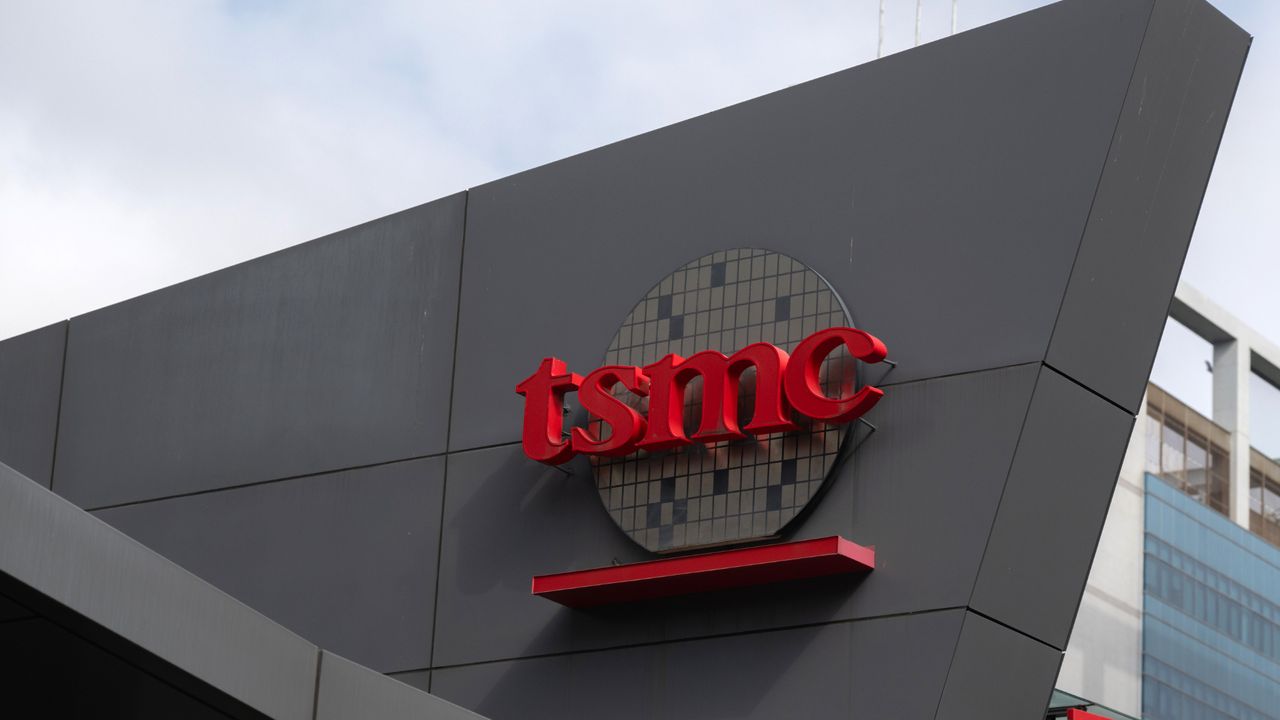
La catena di approvvigionamento globale dei semiconduttori si trova nuovamente sotto i riflettori a causa di un'azione politica negli Stati Uniti. Alcuni legislatori repubblicani hanno formalmente richiesto a un'agenzia federale di intervenire per bloccare l'importazione di chip prodotti da TSMC (Taiwan Semiconductor Manufacturing Company). L'accusa mossa contro il colosso taiwanese riguarda la presunta violazione di cinque brevetti statunitensi, originariamente detenuti da United Microelectronics Corporation (UMC).
Questa mossa arriva in un momento cruciale, con una decisione imminente sul contenzioso brevettuale. Le implicazioni di un eventuale blocco potrebbero estendersi ben oltre le dinamiche commerciali tra le aziende coinvolte, toccando settori strategici che dipendono fortemente dalla produzione di semiconduttori avanzati, inclusa l'industria dell'intelligenza artificiale e dei Large Language Models.
Il ruolo di TSMC e le potenziali ripercussioni
TSMC è un attore dominante nel panorama della produzione di chip, fungendo da fornitore chiave per un'ampia gamma di aziende tecniciche globali. La sua capacità di produrre semiconduttori all'avanguardia è fondamentale per lo sviluppo di GPU, CPU e altri componenti hardware essenziali per l'addestramento e l'Inference di LLM. Un blocco delle importazioni, anche parziale, potrebbe creare interruzioni significative.
Tali interruzioni potrebbero manifestarsi sotto forma di ritardi nelle consegne di hardware, aumenti dei costi e una generale incertezza nella pianificazione degli investimenti infrastrutturali. Per le organizzazioni che valutano o hanno già implementato soluzioni AI on-premise, la disponibilità di silicio specifico, come le GPU con elevata VRAM, è un fattore critico. La dipendenza da un numero limitato di fornitori e le vulnerabilità della supply chain diventano quindi elementi centrali nella valutazione del TCO e della resilienza operativa.
Implicazioni per i deployment AI on-premise
L'ecosistema AI-RADAR si concentra sulla valutazione di deployment on-premise, stack locali e hardware per l'Inference e il training di LLM, con particolare attenzione alla sovranità dei dati e al controllo. In questo contesto, la stabilità della supply chain dei semiconduttori è di primaria importanza. Un'azione come quella proposta dai legislatori statunitensi evidenzia i rischi intrinseci legati alla dipendenza da fornitori esterni e alla geopolitica.
Le aziende che pianificano infrastrutture self-hosted per i propri carichi di lavoro AI devono considerare attentamente questi fattori di rischio. La scelta dell'hardware, la sua disponibilità a lungo termine e la diversificazione dei canali di approvvigionamento diventano elementi strategici. Un'interruzione nella fornitura di chip TSMC potrebbe costringere le organizzazioni a rivedere i propri piani di espansione, a cercare alternative meno performanti o più costose, o a ritardare il rilascio di nuovi servizi basati su LLM.
Prospettive future e pianificazione strategica
L'esito della disputa brevettuale e la potenziale decisione dell'agenzia federale sono ancora incerti. Tuttavia, l'episodio sottolinea la crescente interconnessione tra politica, diritto della proprietà intellettuale e tecnicia avanzata. Per i CTO, i responsabili DevOps e gli architetti infrastrutturali, è fondamentale integrare l'analisi dei rischi della supply chain nelle proprie strategie di deployment.
La valutazione del Total Cost of Ownership (TCO) per le infrastrutture AI on-premise deve includere non solo i costi diretti di acquisto e operativi, ma anche i costi indiretti legati a potenziali interruzioni della supply chain. La capacità di adattarsi a scenari di scarsità o di aumento dei prezzi dell'hardware sarà un differenziatore chiave per garantire la continuità operativa e la competitività nel panorama in rapida evoluzione dell'intelligenza artificiale.








💬 Commenti (0)
🔒 Accedi o registrati per commentare gli articoli.
Nessun commento ancora. Sii il primo a commentare!