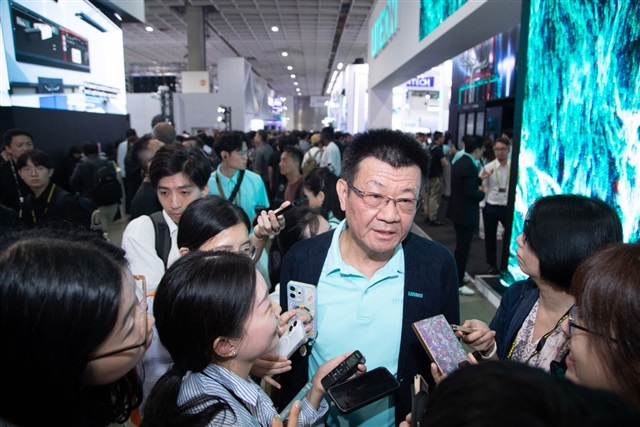
Liteon and the Vision of AI PCs as Personal Assistants
Liteon, a company well-known in the electronics sector, recently shared a significant perspective on the future of personal computers. According to Anson Chiu, president of Liteon, technology named "RTX Spark" could play a crucial role in transforming current AI-capable PCs into true intelligent personal assistants. This vision is part of a broader trend that sees artificial intelligence increasingly moving towards local processing, directly on user devices.
The idea of a PC acting as a personal assistant is not new, but the advent of Large Language Models (LLMs) and increasingly powerful hardware is making this reality more tangible. Liteon appears to be aiming to capitalize on these innovations, suggesting a future where AI interactions do not exclusively depend on remote cloud services but can be managed more autonomously and integrated locally.
The Role of RTX Spark and the Benefits of Local AI
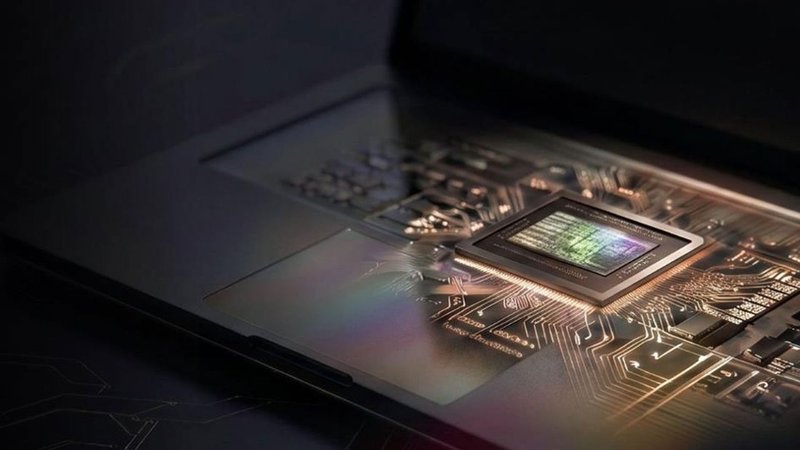
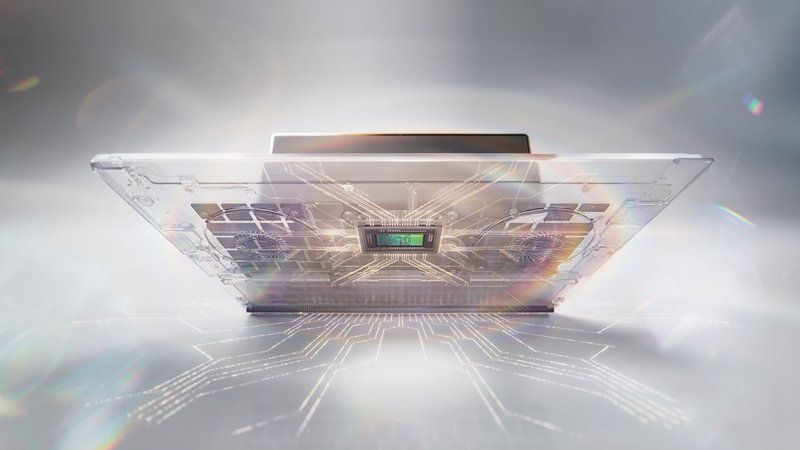
While specific details about "RTX Spark" have not been disclosed, the name suggests integration with NVIDIA RTX GPUs, which are already widely used for AI acceleration thanks to their Tensor Cores. The goal would be to optimize the execution of AI workloads, such as LLM inference, directly on the PC. This approach offers several inherent advantages, aligning with the priorities of data sovereignty and control that characterize on-premise deployments.
Local AI processing on a PC, or "Edge AI," reduces latency because requests do not have to travel to a remote datacenter and back. This is crucial for applications requiring real-time responses, such as voice assistants or conversational interfaces. Furthermore, keeping AI data and models on the device enhances privacy and security, fundamental aspects for users and businesses handling sensitive information. For those evaluating on-premise deployments, these aspects are often priorities, as discussed in the analytical frameworks available on /llm-onpremise.
Implications for Deployment and Hardware Requirements
Liteon's vision highlights a trend with profound implications for AI deployment. Transforming PCs into local AI-powered personal assistants means that a significant portion of the inference workload shifts from the cloud to the endpoint. This requires PCs to be equipped with adequate hardware, particularly GPUs with sufficient VRAM and compute capability to run even considerably sized LLMs, perhaps after quantization processes to optimize resource utilization.
Companies and users adopting this local AI philosophy must consider the Total Cost of Ownership (TCO) of their devices, not only in terms of initial purchase but also energy consumption and upgradeability. The ability to run LLMs and other AI applications directly on a PC reduces reliance on cloud subscriptions and the operational costs associated with remote data transfer and processing, offering greater control over the AI infrastructure.
Future Prospects and Technological Challenges
The transformation of AI PCs into personal assistants through solutions like "RTX Spark" represents a significant step forward towards more pervasive and accessible AI. However, this vision also brings challenges. The size and complexity of Large Language Models continue to grow, requiring constant innovation in hardware and software frameworks to ensure efficient inference on devices with limited resources compared to datacenters.
It will be crucial to develop advanced optimization techniques and more efficient models to maximize performance on PCs. The direction taken by Liteon, focused on user empowerment through local AI, underscores the importance of balancing computing power, energy efficiency, and data sovereignty. This approach could define the next chapter in the evolution of personal computing, making AI a more integrated and controllable daily companion.





💬 Comments (0)
🔒 Log in or register to comment on articles.
No comments yet. Be the first to comment!