Maine Governor Vetoes Bill Banning Large New Data Centers, Citing Key Project
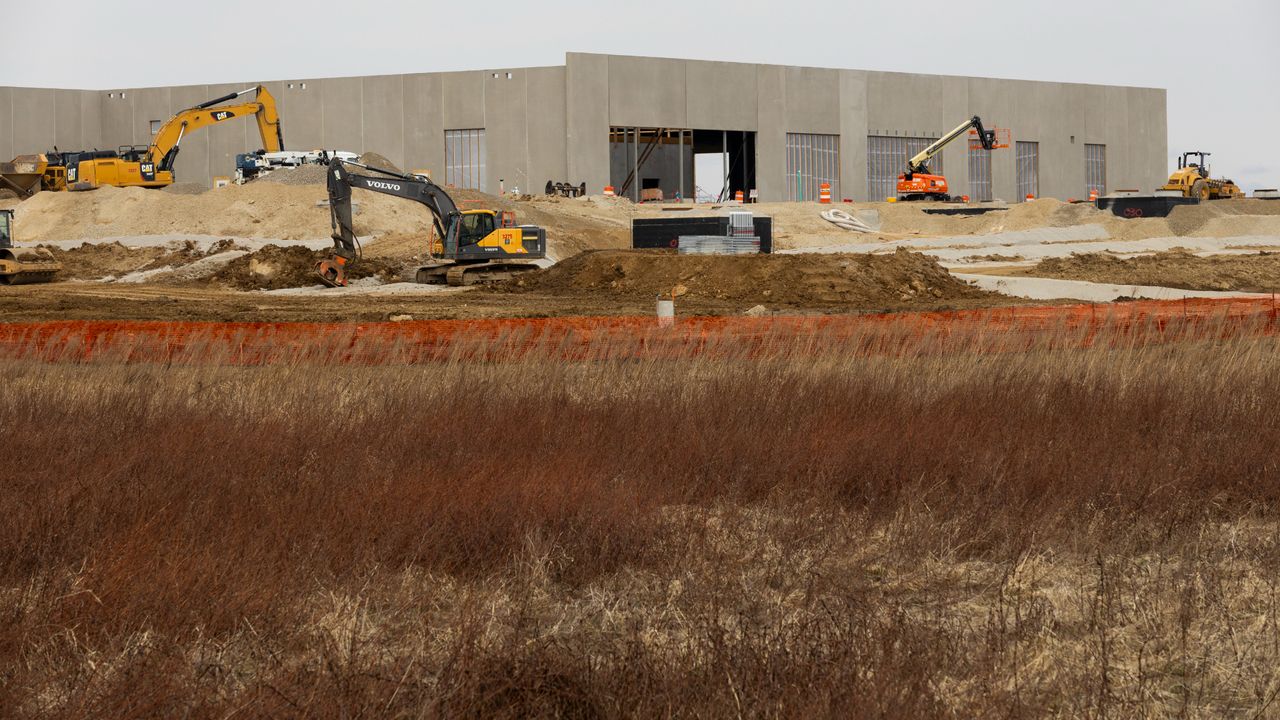
The governor of Maine recently vetoed a legislative proposal that aimed to ban the construction of new large data centers within the state. The decision, which has sparked significant debate, was driven by the governor's belief that the legislation should have included an exemption for a specific, well-supported data center project, a reference understood to be linked to a Meta initiative. This episode underscores the growing complexity in balancing economic and infrastructural development needs with local and environmental concerns.
For companies operating in the artificial intelligence and Large Language Models (LLM) sector, the availability of robust and scalable infrastructure is fundamental. The construction of large data centers represents a strategic investment to ensure the computing capacity required for the inference and training of complex models. The choice of location for these facilities is crucial and influenced by factors such as energy availability, network connectivity, and, not least, the local regulatory framework.
The Context of the Decision and Implications for Infrastructure
The Maine governor's stance reflects an awareness of the importance of attracting and supporting significant technological investments. A data center project, especially if promoted by a giant like Meta, can bring substantial economic benefits in terms of job creation, tax revenue, and local infrastructure development. However, these benefits must be weighed against concerns raised by residents and environmental organizations regarding the impact on energy consumption, land use, and water resources.
The discussion about banning data centers is not isolated to Maine. Many communities globally are facing similar challenges, seeking to find a balance between the drive towards digitalization and environmental sustainability. For CTOs and infrastructure architects, regulatory stability and predictability of the deployment process are key elements in evaluating the Total Cost of Ownership (TCO) of a new facility. Legislative uncertainty can indeed delay or even block projects essential for expanding AI computing capabilities.
Implications for On-Premise Deployment and Scalability
The Maine situation highlights the intrinsic challenges of deploying large-scale infrastructure, which by nature is “self-hosted” or “on-premise” even when managed by hyperscalers. These data centers are the beating heart of AI operations, housing thousands of GPUs and servers necessary to power Large Language Models. Their planning and construction require careful consideration of aspects such as local electrical grid capacity, advanced cooling systems, and physical security.
For companies evaluating self-hosted vs cloud alternatives for AI/LLM workloads, the availability of suitable sites and a favorable regulatory environment are priorities. A generalized ban on large data centers could limit options for deploying critical infrastructure, pushing companies to seek locations with more permissive policies. This can have repercussions on data sovereignty and compliance, fundamental aspects for many regulated sectors.
Future Perspectives and the Tension Between Development and Regulation
The Maine governor's decision reignites the debate on how local jurisdictions should approach the rapid expansion of digital infrastructure. As the demand for AI computing capacity continues to grow exponentially, pressure on local governments to regulate data center construction will increase. Finding solutions that allow technological development while mitigating environmental and social impacts will be a crucial challenge in the coming years.
For those evaluating on-premise deployment, AI-RADAR offers analytical frameworks on /llm-onpremise to assess the trade-offs between different infrastructural options, considering factors such as TCO, data sovereignty, and hardware specifications. The Maine incident serves as a reminder that local political decisions can significantly impact companies' ability to build and manage the infrastructure necessary for the future of artificial intelligence.







💬 Comments (0)
🔒 Log in or register to comment on articles.
No comments yet. Be the first to comment!