
L'impatto dei datacenter e la reazione locale
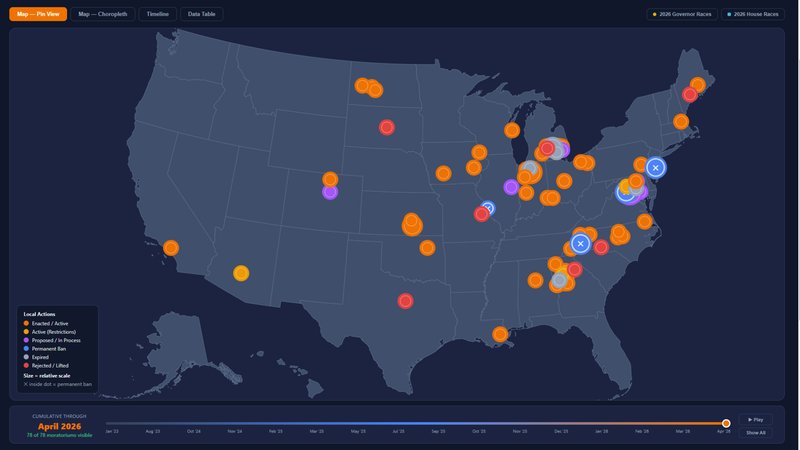
I datacenter, pilastri fondamentali dell'era digitale, stanno affrontando una crescente opposizione da parte delle comunità locali. Nonostante la loro importanza per l'elaborazione dei dati e il funzionamento di servizi essenziali, queste infrastrutture sono sempre più percepite come fonti di rumore, grandi consumatrici di energia e risorse idriche, generando un forte sentimento di "non nel mio giardino" (NIMBY). Questa tendenza è evidente in diverse località, con il Maine che ha recentemente approvato una legislazione per limitare la costruzione di nuovi "bit barn", un termine colloquiale che sottolinea la percezione negativa di queste strutture.
La crescente domanda di potenza di calcolo, in particolare per i Large Language Models (LLM) e altre applicazioni di intelligenza artificiale, ha esacerbato il problema. I moderni datacenter, progettati per ospitare migliaia di server e GPU ad alte prestazioni, richiedono sistemi di raffreddamento massivi e un'alimentazione elettrica costante, il che si traduce in un impatto significativo sull'ambiente circostante e sulle risorse locali.
Consumi energetici e idrici: una sfida per il deployment AI
L'elevata intensità energetica e idrica dei datacenter rappresenta una delle principali criticità. Per mantenere le temperature operative ottimali, i sistemi di raffreddamento consumano ingenti quantità di acqua ed energia, contribuendo a un'impronta ecologica considerevole. Questo aspetto è particolarmente rilevante per i carichi di lavoro AI, che con l'addestramento e l'Inference di LLM sempre più complessi, spingono al limite le capacità infrastrutturali.
La necessità di disporre di infrastrutture robuste e performanti si scontra con la resistenza delle comunità, che vedono in queste strutture un onere piuttosto che un beneficio. Per i CTO e gli architetti infrastrutturali che valutano il deployment di soluzioni AI, questa situazione impone una riconsiderazione delle strategie, spingendo verso modelli che minimizzino l'impatto locale o che distribuiscano il carico su più siti.
Implicazioni per le strategie di deployment on-premise
La crescente opposizione ai grandi datacenter centralizzati può accelerare l'adozione di strategie di deployment alternative. Soluzioni self-hosted, on-premise o edge computing, pur presentando le proprie sfide in termini di gestione e scalabilità, offrono un maggiore controllo sulla localizzazione e sull'impatto ambientale. Implementare stack locali per LLM e carichi di lavoro AI può ridurre la dipendenza da mega-datacenter e permettere alle aziende di gestire meglio la propria impronta.
Questo approccio può anche favorire la sovranità dei dati e la compliance, aspetti cruciali per molte organizzazioni. Tuttavia, la gestione di infrastrutture distribuite richiede competenze specifiche e un'attenta analisi del Total Cost of Ownership (TCO), bilanciando i costi iniziali (CapEx) con quelli operativi (OpEx) e l'efficienza energetica. Per chi valuta deployment on-premise, AI-RADAR offre framework analitici su /llm-onpremise per valutare i trade-off tra controllo, performance e impatto ambientale.
Bilanciare innovazione e sostenibilità
La decisione del Maine e il crescente sentimento anti-datacenter evidenziano una tensione fondamentale tra l'avanzamento tecnicico e la sostenibilità ambientale e sociale. Le aziende che operano con carichi di lavoro AI intensivi devono ora considerare non solo le prestazioni e i costi, ma anche l'accettazione sociale e l'impatto ecologico delle proprie infrastrutture.
Trovare un equilibrio richiederà innovazione nella progettazione dei datacenter, maggiore efficienza energetica e l'esplorazione di modelli di deployment più distribuiti. La sfida per il settore è dimostrare che l'innovazione può procedere di pari passo con la responsabilità ambientale, garantendo che le infrastrutture digitali del futuro siano non solo potenti, ma anche sostenibili e ben integrate nel tessuto sociale.









💬 Commenti (0)
🔒 Accedi o registrati per commentare gli articoli.
Nessun commento ancora. Sii il primo a commentare!