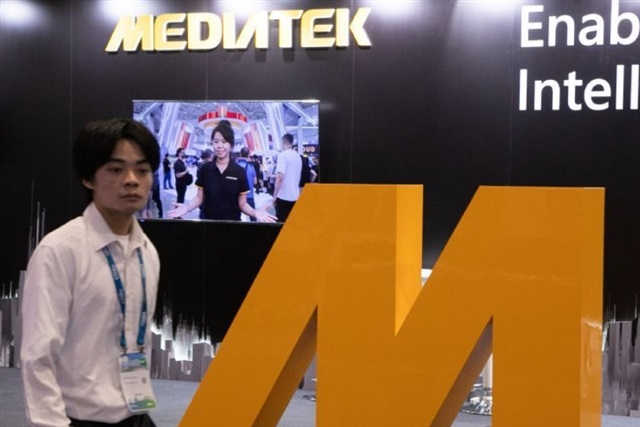
MediaTek's Exponential Growth in the AI Sector
MediaTek has announced reaching record revenue, a significant achievement primarily attributed to the surge in demand for artificial intelligence chips. This financial performance highlights a broader market trend where the need for specialized hardware accelerators for AI is becoming a fundamental economic driver for semiconductor manufacturers. The ability to deliver high-performance solutions is now a critical success factor.
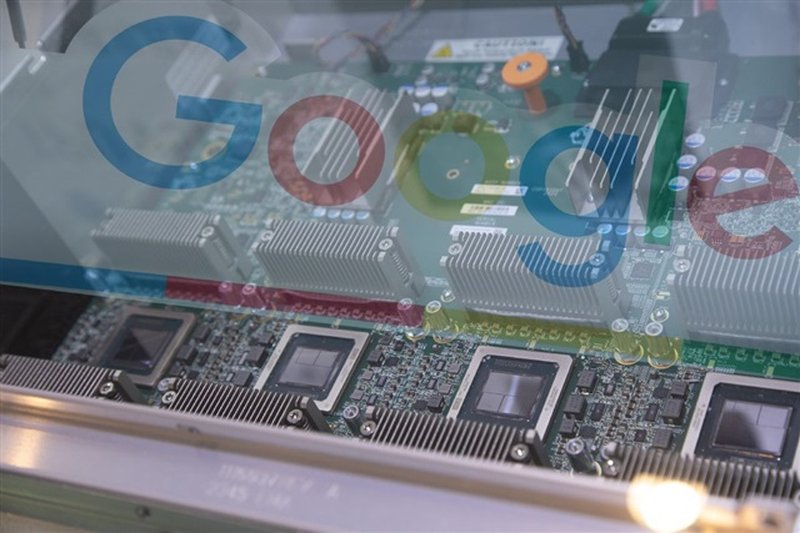
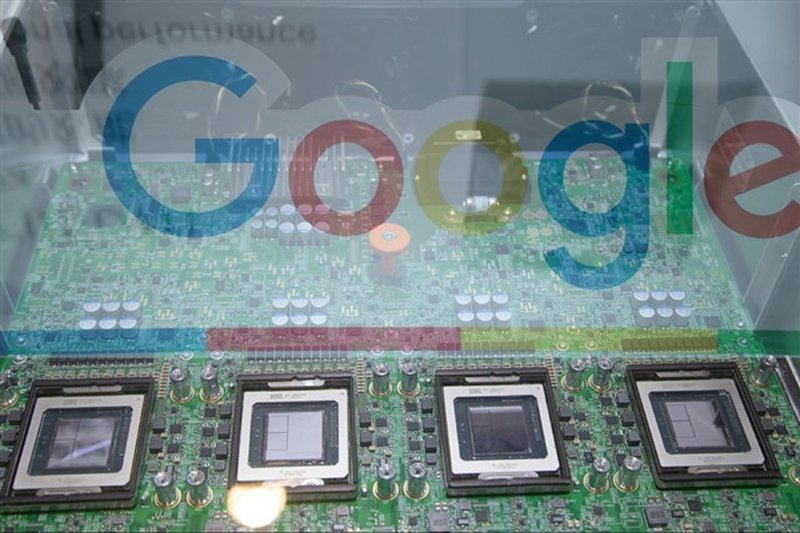
Orders for Tensor Processing Units (TPUs) have been identified as a key element of this growth. TPUs, originally developed by Google, represent an example of hardware specifically designed to optimize machine learning workloads, distinguishing themselves from general-purpose processors by their efficiency in handling tensor computation operations, which are essential for training and Inference of complex AI models.
The Strategic Role of AI Chips and TPUs in the Tech Ecosystem
The demand for AI chips is not an isolated phenomenon but reflects the rapid adoption of artificial intelligence across various sectors, from robotics to industrial automation, data analytics, and Large Language Models (LLMs). These models, in particular, require massive computing power for both training and Inference, prompting companies to invest in dedicated hardware.
TPUs, with their architecture optimized for AI operations, offer significant advantages in terms of Throughput and energy efficiency compared to traditional GPUs for specific workloads. This specialization allows for considerably faster processing times and reduced long-term operational costs, a crucial aspect for companies managing large-scale AI infrastructures.
Implications for On-Premise Deployments and Data Sovereignty
The increased demand for AI chips and TPUs has profound implications for companies evaluating deployment strategies for their AI workloads. The choice between cloud solutions and self-hosted or bare metal on-premise infrastructures is increasingly complex and depends on factors such as Total Cost of Ownership (TCO), data sovereignty requirements, and the need for air-gapped environments.
Investing in specialized hardware like TPUs for an on-premise deployment can offer greater control over data and security, as well as potential long-term operational cost savings, despite a higher initial CapEx. For those evaluating on-premise deployments, AI-RADAR offers analytical frameworks on /llm-onpremise to assess the trade-offs between performance, costs, and control, helping to make informed decisions about their AI infrastructure.
Future Outlook and Competition in the AI Hardware Market
The AI chip market is constantly evolving, with fierce competition among major silicio manufacturers. The ability to innovate and meet the growing demand for increasingly powerful and efficient accelerators will be crucial for future success. The trend towards specialized architectures and optimization for specific AI Frameworks will continue to shape the hardware landscape.
MediaTek's performance underscores how investment in research and development in the field of AI semiconductors is fundamental to maintaining a leadership position. As artificial intelligence continues to advance, the need for cutting-edge hardware to support increasingly complex models and innovative applications will only grow, making the AI chip sector one of the most dynamic and strategic in the global economy.



💬 Comments (0)
🔒 Log in or register to comment on articles.
No comments yet. Be the first to comment!