
Easing tariff turbulence, more oxygen for exports
Taiwan’s auto industry is catching its breath. According to DIGITIMES, the local market is finding equilibrium as easing US tariff uncertainty gives a fresh push to parts exporters. The news comes at a time when global supply chains are still rattled by years of trade friction and renewed protectionist threats.
Yet for anyone building on-premise infrastructure for Large Language Models, there’s a parallel story. The same “tariff signal” that is currently propping up auto parts makers can also stabilize price lists for GPUs, high-capacity memory, and servers — all essential components for local inference of generative models.
The Taiwanese ecosystem goes well beyond four wheels
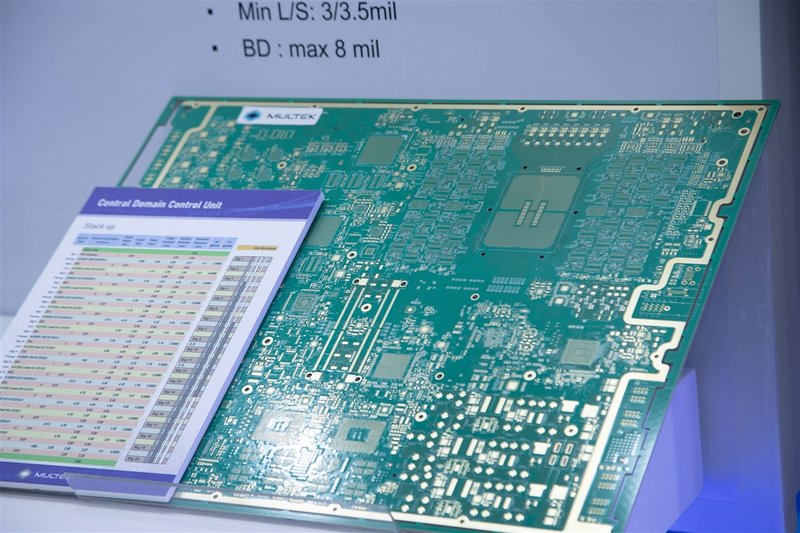
Taiwan is not just the world’s supplier of advanced semiconductors; it is a logistics and manufacturing hub that cuts across all professional electronics. The same factories that churn out engine control units and sensors for the automotive industry share production lines, know-how, and raw materials with data-center componentry. When US tariffs become less unpredictable, supply contracts for batches of GPUs, VRAM modules, and high-reliability motherboards can be negotiated over longer time horizons with more contained cost margins.
AI-RADAR analysts have long noted that Total Cost of Ownership planning for a self-hosted stack is influenced not only by raw compute power, but also by the predictability of hardware costs throughout the infrastructure lifecycle. A frozen trade war reduces the risk premium that distributors bake into pricing, to the direct benefit of anyone sizing an on-premise cluster for LLM inference or fine-tuning.
Tariffs and AI servers: the hidden link
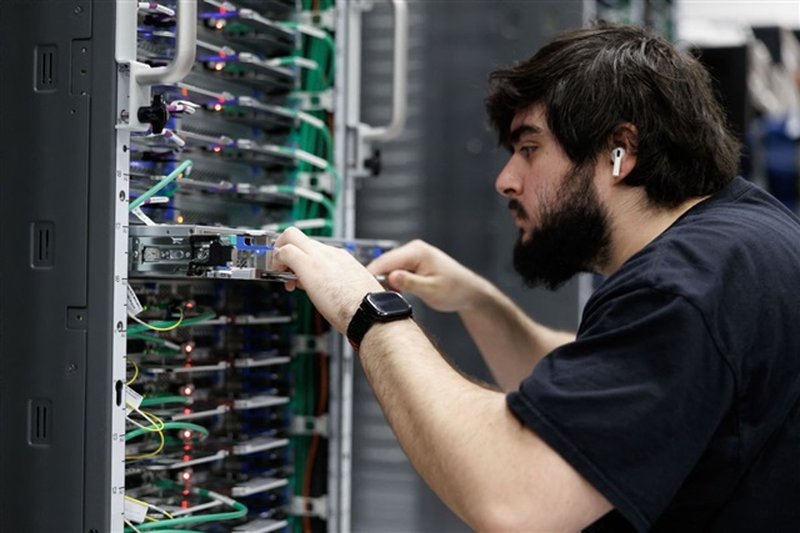
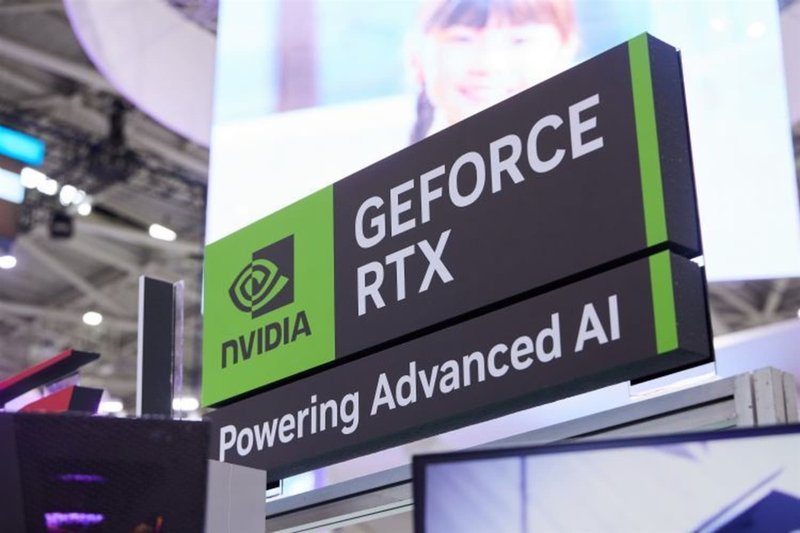
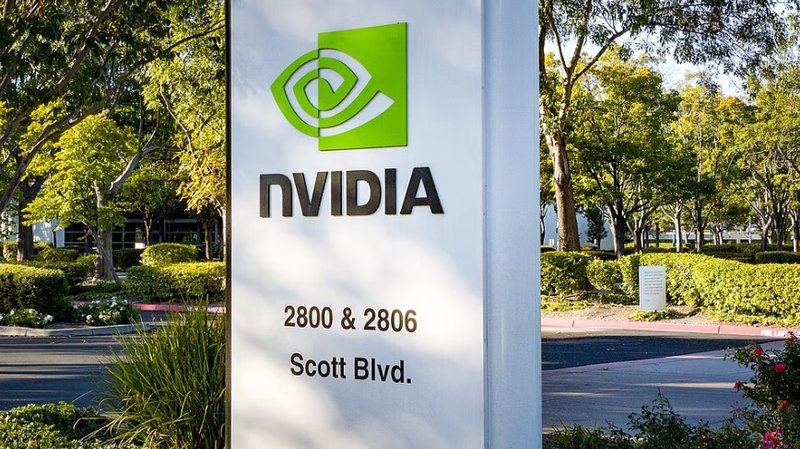
For an organization evaluating an on-premise deployment — perhaps driven by data sovereignty concerns or the need to minimize latency — the cost of NVIDIA GPUs or dedicated ASIC chips accounts for the heaviest CapEx line item. Every geopolitical shock rattling the Taiwan Strait or trans-Pacific shipping routes translates into longer lead times and typically bullish spot prices. Conversely, when tariff barriers soften, networking components (switches, optical cables) and server chassis also enjoy more orderly economies of scale.
It is no coincidence that large integrators closely monitor seemingly sector-specific indicators, such as auto parts exports, to anticipate IT component pricing dynamics. The easing flagged by DIGITIMES is one piece of a broader puzzle that includes TSMC’s production capacity, VRAM inventories for A100 and H100 cards, and enterprise demand for bare-metal inference solutions.
What changes for those running LLMs locally
Those who have already embarked on self-hosting projects are well aware of the trade-off: direct data control and the absence of recurring API costs are balanced by the need to commit capital to hardware whose availability has been anything but guaranteed in recent years. If the commercial truce solidifies, procurement teams will be able to base upgrade roadmaps on fewer external shocks, evaluating with greater confidence the move to larger models or more aggressive quantization techniques (INT8, FP16) without sudden spikes in expenditure.
AI-RADAR closely follows these intersections between geopolitics and on-premise stacks because the decision of where to run an LLM is never purely technical. DIGITIMES’ report, despite starting from the automotive sector, reminds us that supply security is a critical variable in the TCO equation, right alongside throughput, GPU VRAM, and energy consumption.






💬 Comments (0)
🔒 Log in or register to comment on articles.
No comments yet. Be the first to comment!