
Mexico at the Center of New Production Geography
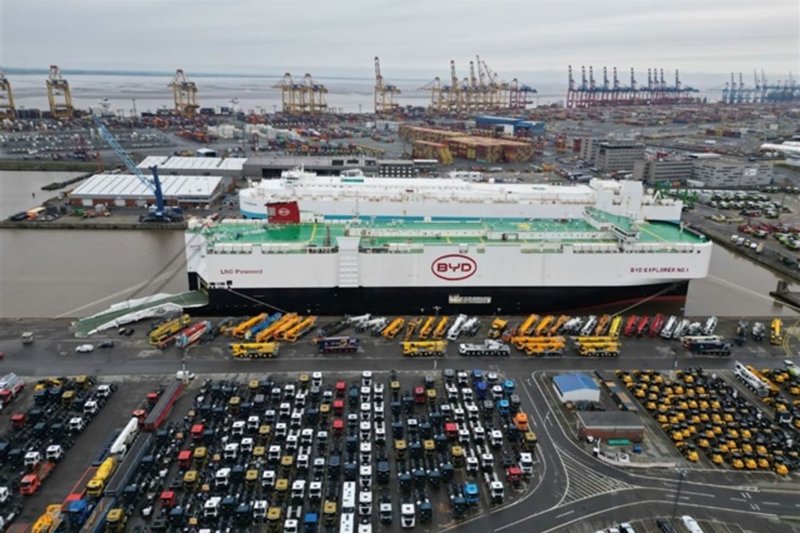
The global automotive supply chain is undergoing a profound transformation, with Mexico emerging as a new production frontier. This dynamic, reported by the AFP agency, is not an isolated phenomenon but reflects broader trends of regionalization and diversification that are redefining economic and geopolitical balances worldwide. For technology decision-makers, particularly those involved with AI infrastructure and Large Language Models (LLM), such geographical shifts have significant implications that extend far beyond the specific sector.
Attention is shifting to supply chain resilience and companies' ability to ensure the procurement of critical components. In an era where AI is increasingly strategic, understanding how these changes affect the availability and cost of dedicated hardware becomes fundamental for those planning self-hosted deployments.
Supply Chain Resilience and AI Hardware
The vulnerabilities exposed by global supply chains in recent years, particularly the chip shortage that severely impacted the automotive industry, serve as a warning for the artificial intelligence sector. Dependence on a limited number of suppliers and regions for crucial components like GPUs, specialized silicon, and VRAM, can introduce significant risks for AI projects requiring robust and scalable on-premise infrastructure.
The emergence of new production hubs, such as Mexico for automotive, could indicate a trend towards diversification that, in the long term, might also influence the AI hardware supply chain. This regionalization offers opportunities to improve resilience but also requires careful evaluation of the Total Cost of Ownership (TCO) for infrastructure procurement and deployment, considering factors like logistics, tariffs, and delivery times.
Data Sovereignty and Deployment Strategies
Shifts in production geography can have a direct impact on considerations related to data sovereignty and regulatory compliance. If research and development activities or production move to new regions, the need to process and store data locally increases. This scenario favors on-premise or edge deployments, where companies maintain direct control over their data and inference infrastructure.
The choice between self-hosted solutions and cloud services for AI workloads becomes even more critical in this context. Companies must balance the flexibility and scalability offered by the cloud with the need for control, security, and adherence to local regulations that on-premise deployments can guarantee. For those evaluating on-premise deployments, AI-RADAR offers analytical frameworks on /llm-onpremise to assess these complex trade-offs.
Future Prospects for AI Infrastructure
Global supply chain dynamics, exemplified by Mexico's growing role in the automotive sector, underscore the importance of an agile and forward-thinking AI infrastructure strategy. CTOs, DevOps leads, and infrastructure architects must consider these macro-trends when planning the expansion or optimization of their computing capabilities for LLMs and other AI workloads.
The ability to adapt to an evolving supply landscape while ensuring data sovereignty and optimizing TCO will be a distinguishing factor. The choice to invest in bare metal infrastructures or hybrid solutions, capable of supporting air-gapped environments or those with stringent latency requirements, reflects a deep understanding of the constraints and opportunities arising from these global changes.








💬 Comments (0)
🔒 Log in or register to comment on articles.
No comments yet. Be the first to comment!