MetaOptics' Claim and the Technological Context
MetaOptics, a player in the technology landscape, recently stated that it has achieved a three-year lead in the development of advanced micro-optics. This claim, reported by DIGITIMES, highlights the rapid evolution and strong competition in a sector that is increasingly strategic for innovation.
Micro-optics are miniaturized optical components, often on a micrometric scale, that manipulate light with extreme precision. They find application in a wide range of technologies, from sensors for smartphones and medical devices, to fiber optic communication systems, advanced displays, and imaging systems. Their ability to integrate complex functionalities into small spaces makes them crucial for the progress of many high-tech sectors.
The Role of Micro-Optics in AI Infrastructure
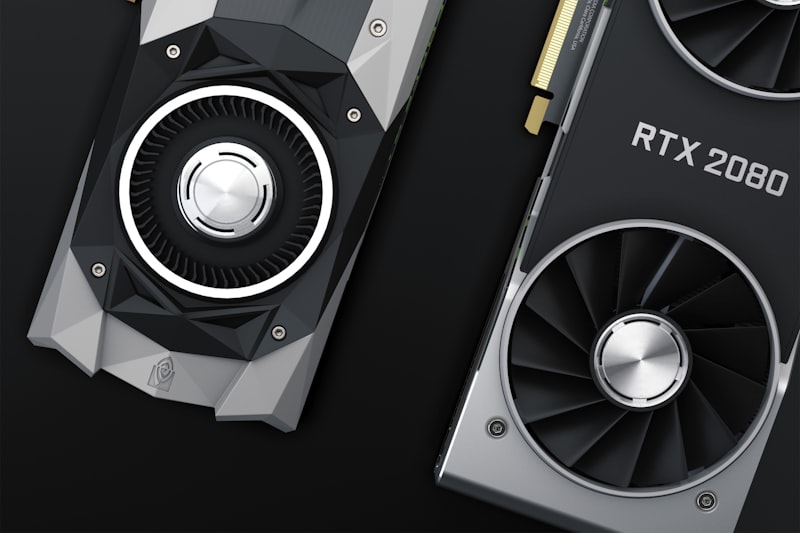
For the AI-RADAR audience, advancements in micro-optics can have significant implications for artificial intelligence infrastructure, particularly for on-premise deployments. GPUs and other AI accelerators increasingly rely on high-speed interconnects and efficient cooling systems, where optical solutions can offer substantial advantages over traditional electrical connections.
For example, optical interconnects based on micro-optics could improve throughput and reduce latency between chips within a server or between servers in a cluster, critical elements for training and inference of Large Language Models. Furthermore, advanced optical sensors could be used in environmental monitoring systems for data centers, optimizing energy management and TCO. The integration of these technologies at the silicio level could unlock new, more performant, and efficient hardware architectures.
Implications for Innovation and the Market
A three-year lead, if confirmed, represents a remarkable achievement in an industry characterized by extremely short innovation cycles. This type of leadership can translate into a significant competitive advantage, allowing MetaOptics to set new technological standards or gain a relevant market share before competitors can catch up.
Such progress also underscores the importance of long-term investments in research and development. For companies that depend on advanced optical components, a supplier with such leadership could offer more performant or more efficient solutions, influencing design decisions and production pipelines for years to come.
Future Prospects for On-Premise Deployments
Looking ahead, the evolution of micro-optics could shape the capabilities of hardware available for on-premise AI deployments. Greater efficiency in interconnects and sensors directly translates into potential performance improvements and reduced energy consumption, key factors for CTOs and infrastructure architects evaluating the TCO of self-hosted solutions.
Data sovereignty and the need for air-gapped environments often require specific and optimized hardware solutions. If advanced micro-optics can help make AI accelerators more compact, powerful, and energy-efficient, this could facilitate the adoption of local AI infrastructures, offering increasingly competitive alternatives to cloud offerings. For those evaluating on-premise deployments, complex trade-offs exist that require in-depth analysis, and innovation at the component level, such as micro-optics, is a factor to consider carefully.







💬 Comments (0)
🔒 Log in or register to comment on articles.
No comments yet. Be the first to comment!