
Class Action Against xAI and SpaceX Data Centers
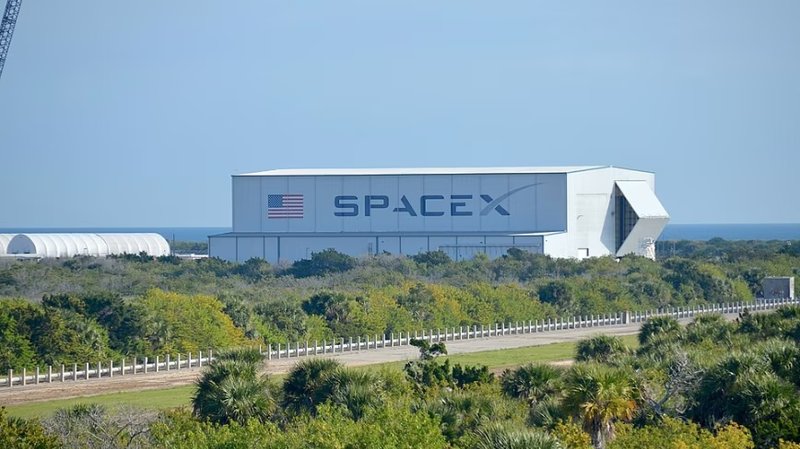
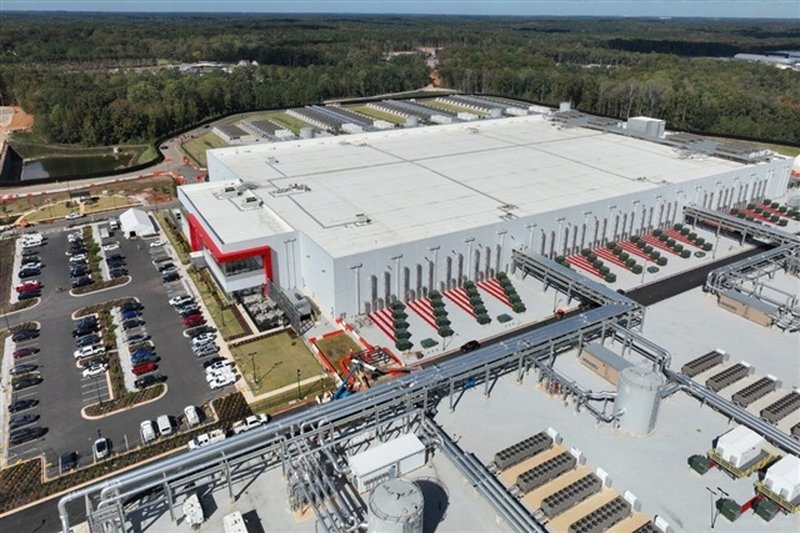
The debate surrounding the impact of dedicated artificial intelligence data centers has reached a new level with the initiation of a class-action lawsuit in the United States. Ten thousand residents of Mississippi have sued xAI and SpaceX, both Elon Musk's companies, for alleged damages caused by noise. At the heart of the controversy is a gas-fired power plant which, according to the plaintiffs, powers nearby data centers and produces an "omnipresent and inescapable" noise.
The complaint, made public in federal court, claims that this noise pollution has had negative repercussions on residents' health and the value of their real estate properties. This incident highlights the growing challenges associated with the rapid expansion of infrastructure required to support the intensive workloads of LLMs and other AI applications.
Infrastructure Challenges for On-Premise AI
Building large-scale infrastructure for artificial intelligence, particularly for on-premise deployments, requires careful planning that extends beyond mere hardware availability. Modern data centers, especially those designed for training and inference of Large Language Models, consume significant amounts of energy. This often necessitates dedicated power solutions, such as proprietary power plants or specific agreements with local providers.
The choice of an on-premise deployment is often driven by needs for data sovereignty, direct control over the infrastructure, and long-term Total Cost of Ownership (TCO) optimization. However, such decisions also involve managing logistical, environmental, and community relations complexities, as demonstrated by the Mississippi case. The location of these facilities and their integration into the local fabric become critical factors for the project's success and sustainability.
Implications for Self-Hosted Deployments
The ongoing legal case in Mississippi offers an important reflection point for companies evaluating self-hosted or on-premise AI solutions. While direct control over hardware, data security, and the ability to customize the technology stack represent significant advantages, environmental and social considerations emerge that can profoundly influence overall feasibility and costs.
Managing noise, emissions, and visual impact are aspects that must be integrated into the planning phase of any large infrastructure. Ignoring these factors can lead not only to legal disputes but also to project delays and unexpected increases in TCO. For those evaluating on-premise deployments, AI-RADAR offers analytical frameworks on /llm-onpremise to assess the trade-offs between initial, operational, and environmental/social risks.
Future Prospects and Strategic Considerations
The expansion of artificial intelligence and the growing demand for computing capacity will continue to drive the construction of new data centers. This makes it even more crucial for companies and infrastructure providers to adopt a holistic approach to planning. Decisions regarding site selection, energy source, and technologies for mitigating environmental and acoustic impact must be made with foresight.
The case of xAI and SpaceX in Mississippi underscores that the success of an AI infrastructure project is not measured solely in terms of technical performance or economic efficiency, but also in its ability to integrate harmoniously with the surrounding environment and respect local communities. Sustainability and corporate social responsibility are becoming indispensable components of the deployment strategy for any large-scale AI workload.







💬 Comments (0)
🔒 Log in or register to comment on articles.
No comments yet. Be the first to comment!