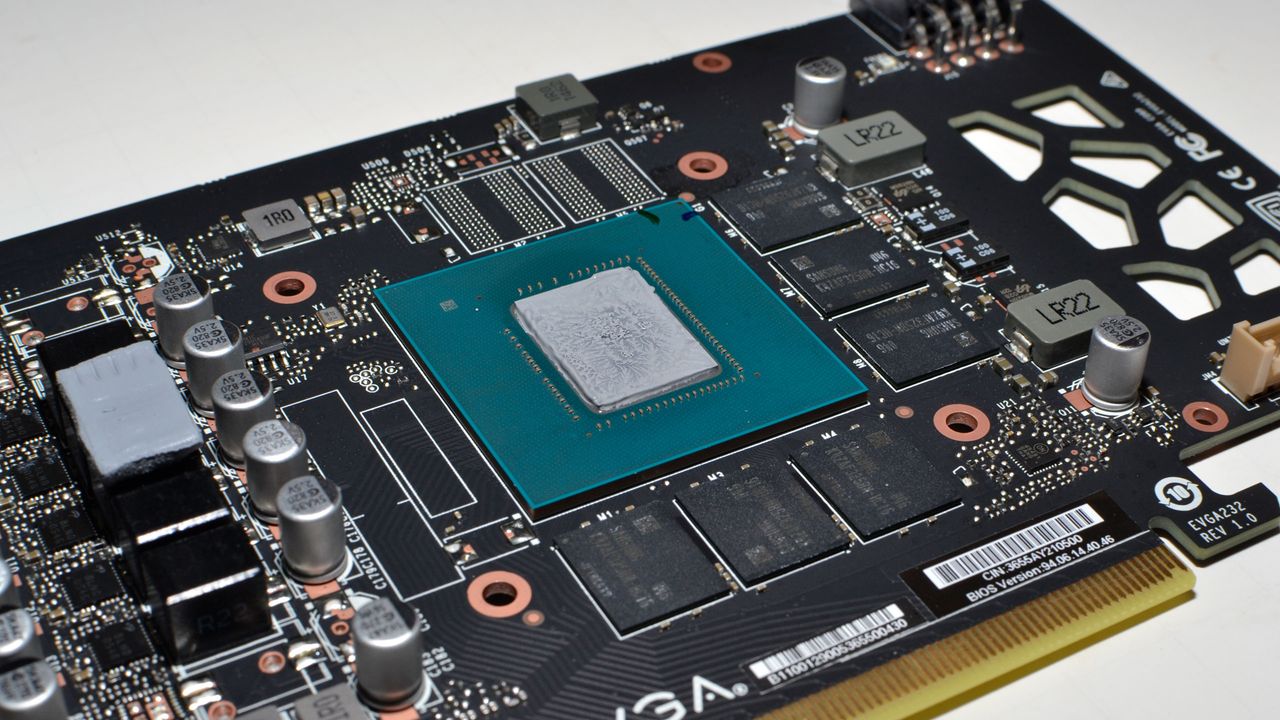
Quando un modder decide di mettere una RTX 3060 sotto zero, non si accontenta di un banale dissipatore aftermarket. Prende una macchina per il ghiaccio da banco, la svuota, ci infila la scheda video e governa il tutto con un termostato riciclato da un frigorifero per birra. Il risultato è tanto geniale quanto rumoroso: nei test su Cyberpunk 2077, la GPU non supera i 22°C, con un crollo termico che in alcuni titoli sfiora il 62% rispetto al raffreddamento stock.
La ricetta del ghiaccio: come funziona
Il sistema sfrutta un principio semplice: un contenitore coibentato riempito d’acqua viene congelato rapidamente dall’unità refrigerante integrata nella macchina del ghiaccio. La scheda video è immersa in un ambiente saturo di freddo, con le heat pipe e la piastra di contatto che cedono calore a un blocco di ghiaccio in costante formazione. Un termostato da frigo – tipicamente usato per mantenere la birra a temperatura ideale – pilota l’accensione dello scambiatore, mantenendo il punto di rugiada sotto controllo per evitare condensa killer sull’elettronica. Una soluzione che non troverete in nessun datasheet, ma che dimostra quanta inventiva possa scatenarsi quando si vogliono spremere prestazioni da una GPU di fascia media come la RTX 3060.
Quando l’entusiasmo supera il termostato
I numeri fanno impressione, ma vanno letti con realismo. Abbattere le temperature sotto i 30°C in piena sessione di gaming è un’impresa, ma porta con sé limiti non trascurabili: consumi elettrici aggiuntivi per il compressore, rumore costante del macchinario, ingombro fisico e manutenzione frequente per svuotare l’acqua di scolo. Inoltre, il raffreddamento estremo non si traduce necessariamente in un incremento lineare delle frequenze di boost – le protezioni termiche della GPU non sono più l’anello debole, ma subentrano i limiti di potenza o di silicio. Resta il dato di fatto che l’esperimento alza l’asticella del fai-da-te hardware e ricorda che la gestione termica è una variabile ancora tutta da esplorare, specie in scenari dove il rumore o lo spazio non sono un problema.
Il freddo spinto e le implicazioni per l’on-premise
Per chi gestisce infrastrutture on-premise o valuta deployment self-hosted di LLM, il thermal management è spesso trascurato ma cruciale. Una RTX 3060 – con i suoi 12 GB di VRAM – resta una scelta diffusa per l’inference locale, soprattutto in configurazioni dove la sovranità dei dati e la latenza contano più della potenza bruta. In questi ambienti, mantenere temperature stabili e basse non è un capriccio: allunga la vita dell’hardware, riduce il throttling e garantisce throughput più prevedibile per i carichi di lavoro continui. Certo, nessuno installerà una macchina del ghiaccio in un rack aziendale, ma l’idea di un raffreddamento adattivo, che reagisce al carico reale della GPU, merita attenzione. Sistemi di condizionamento dedicati, cold plate o soluzioni ibride stanno trovando spazio anche fuori dai datacenter, nel crescente ecosistema di piccoli server AI ospitati in ufficio o in edge.
Oltre il mod: il controllo termico nell’AI locale
Esperimenti come questo mettono in luce un trade-off che chiunque affronti il self-hosting di modelli generativi conosce bene: investire in raffreddamento attivo può ridurre il costo totale di possesso nel medio periodo, evitando sostituzioni premature e cali di prestazioni. Le piattaforme di analisi per il deployment on-premise – come gli strumenti di valutazione che AI-RADAR offre su /llm-onpremise – aiutano a mappare questi equilibri, tenendo conto non solo dei teraflop, ma anche del consumo energetico complessivo e dell’affidabilità nel tempo. La macchina del ghiaccio è una provocazione, ma il principio che la anima – spostare il calore lontano dal silicio in modo aggressivo – è lo stesso che guida il raffreddamento a liquido nei server AI di nuova generazione. La differenza sta nella scala e nel senso pratico, ma la creatività dei modder ricorda a progettisti e sistemisti che il problema termico non è mai completamente risolto.





💬 Commenti (0)
🔒 Accedi o registrati per commentare gli articoli.
Nessun commento ancora. Sii il primo a commentare!