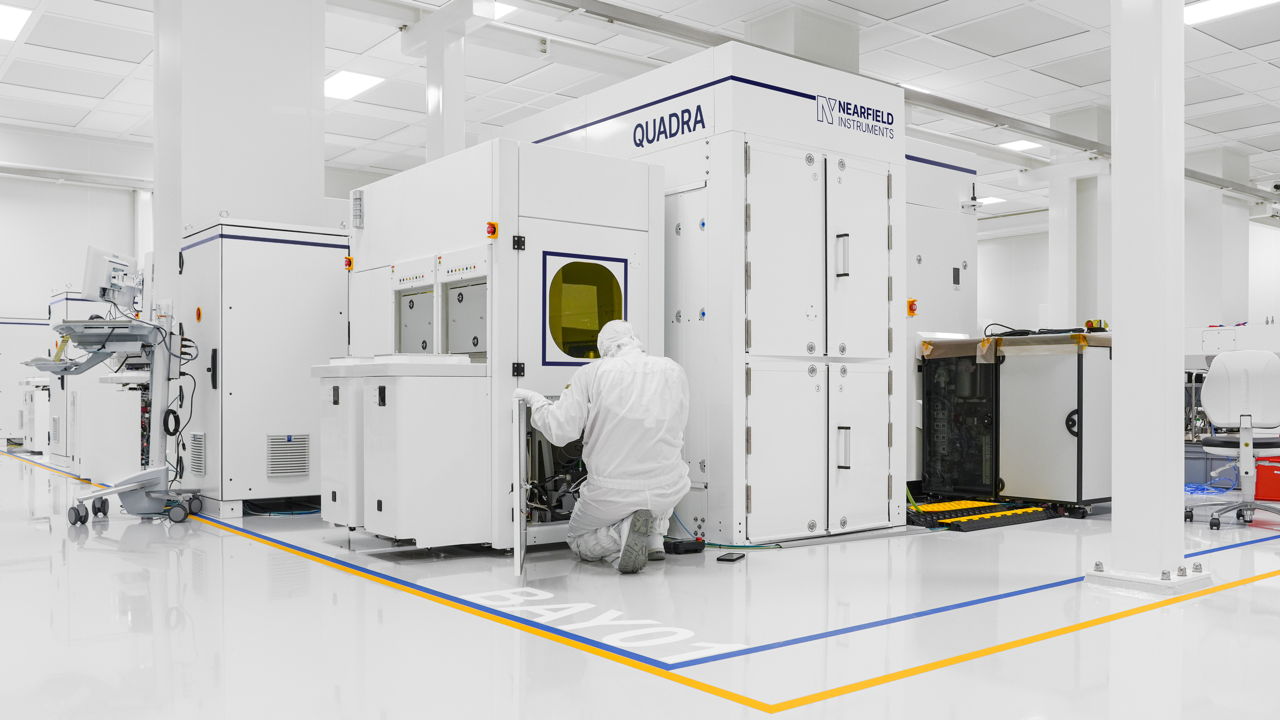
While the semiconductor industry is under the spotlight due to GPU and AI demand, the news comes from Rotterdam: Nearfield Instruments, a spinout from the TNO research institute, has raised $380 million in a Series D round, valuing the company at $1.6 billion. The leap is not just financial; it signals how the battle for next-generation chips is fought on an often invisible front: metrology and inspection.
Metrology and inspection: the Achilles’ heel of advanced chip production
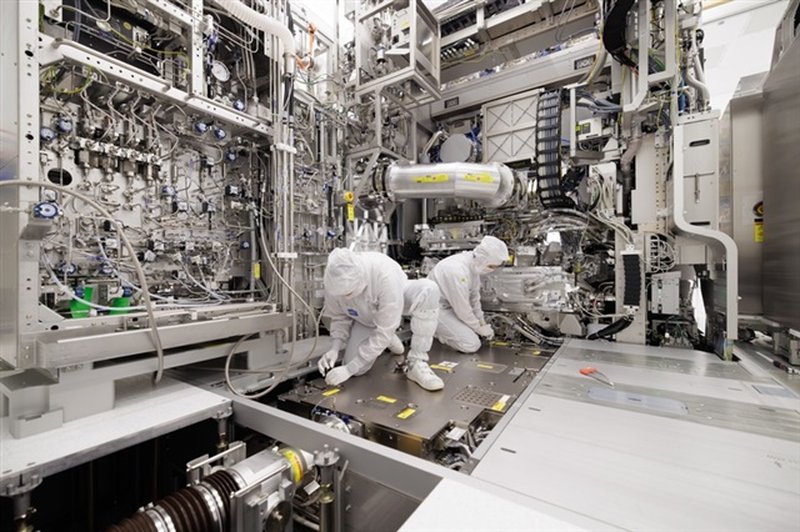
Manufacturing chips at 3 nanometers and beyond is not only about lithography. Every process step requires measurements so precise that a deviation of a few atoms can ruin an entire wafer. Nearfield Instruments builds inspection systems that enable quality control during fabrication, detecting nanoscale defects. Without these tools, foundries would struggle to reach the yields needed to churn out GPUs, CPUs, and AI accelerators at scale.
What Nearfield Instruments does (and why few talk about it)
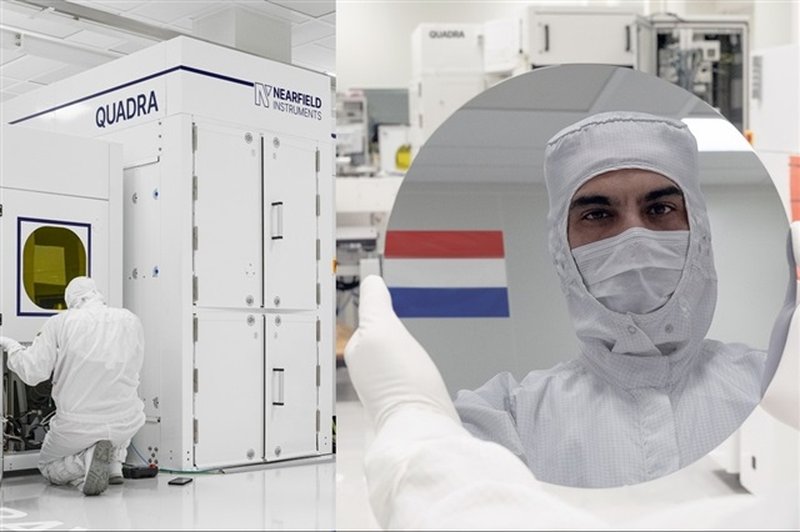
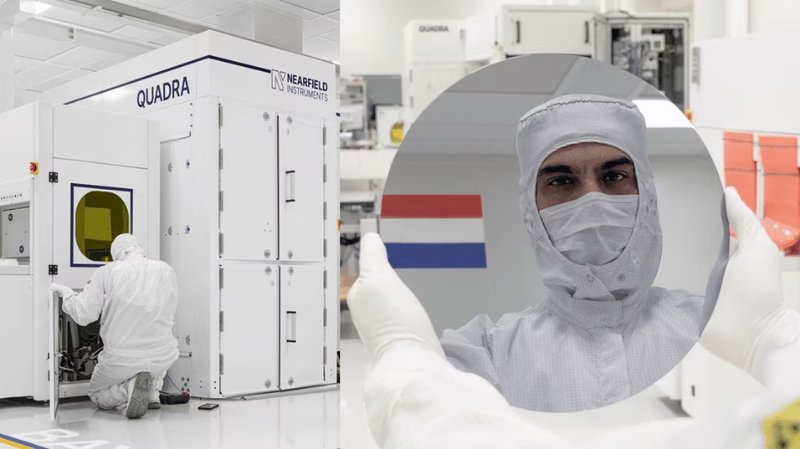
Founded in 2016 as a TNO spin-off, the company develops scanning microscopy and optical metrology technologies. Its customers are chip manufacturers, who integrate these machines into pilot and volume lines. CEO Hamed Sadeghian said the funding “marks a defining moment” and reflects the strategic importance of metrology in AI-driven semiconductor innovation. The round, the largest deep tech funding round in the Netherlands, saw participation from Fidelity, Temasek, Walden Catalyst, Innovation Industries, M&G Investments, Invest-NL, Qatar Investment Authority, TNO Ventures, and ING.
The quiet link to on-premise AI deployment
For those evaluating on-premise infrastructure for LLMs, hardware availability and cost are critical factors. High-end GPUs, custom accelerators, and high-bandwidth memory all depend on advanced process nodes. If foundries cannot scale production due to inadequate inspection tools, the entire supply chain slows. Nearfield’s round is a signal: capital is flowing precisely where upstream bottlenecks exist. Faster, more precise metrology tools will shorten time-to-market for new chips, indirectly influencing TCO and capacity planning for private data centers and edge deployments.
Outlook: Europe strengthens a strategic piece
With this investment, Nearfield Instruments positions itself as a key player in the European semiconductor ecosystem, alongside names like ASML. The presence of Dutch state investors and the Qatari sovereign fund shows a drive to build alternative suppliers in a market dominated by a few. The implications for the AI world are clear: the future availability of hardware for on-premise training and inference will also depend on machines that few see, but without which chips remain just blueprints.



💬 Comments (0)
🔒 Log in or register to comment on articles.
No comments yet. Be the first to comment!