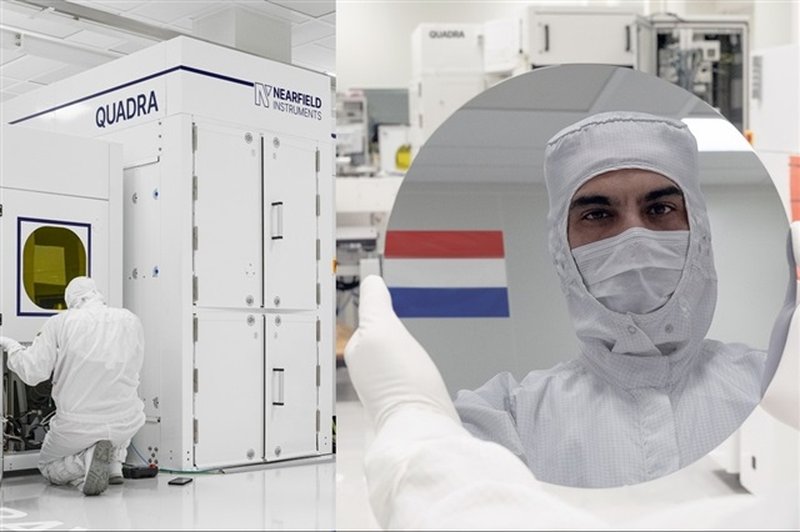
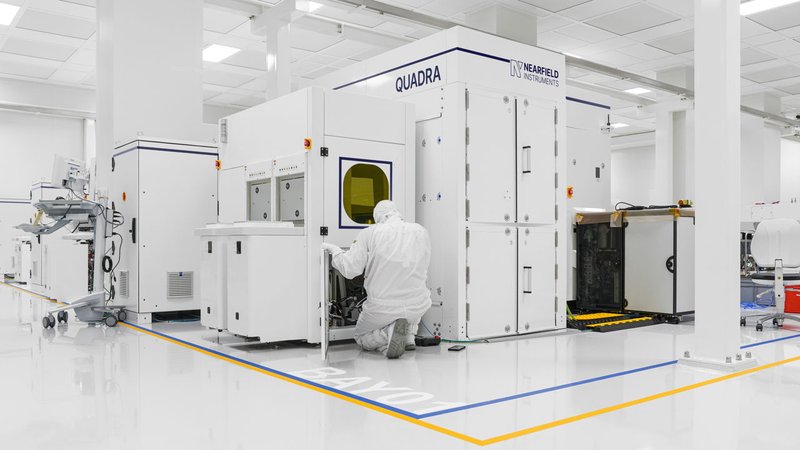
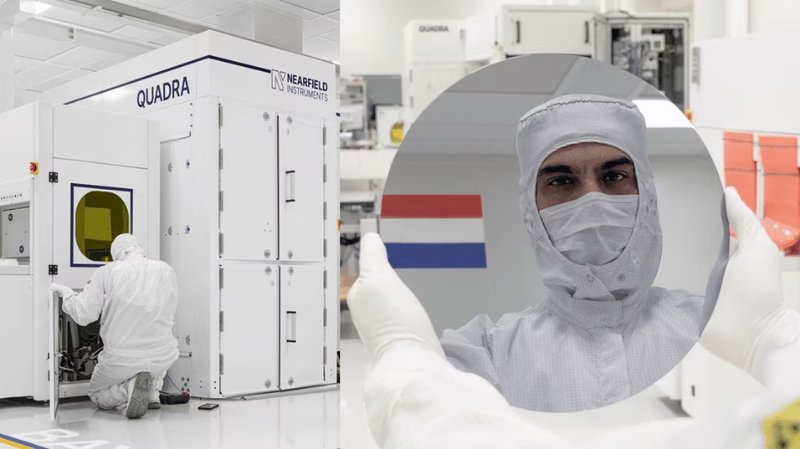
The scarcity of extreme ultraviolet (EUV) lithography machines is one of the most notorious bottlenecks in advanced semiconductor manufacturing, with direct repercussions on AI chip availability and, downstream, on on-premise computing infrastructure. An exclusive interview with Nearfield Instruments sheds light on this scenario: the Dutch startup is betting on process control as an alternative to compete with EUV technology in the production of AI chips.
EUV lithography, dominated by ASML, is essential for the most advanced nodes—those below 7 nanometers—but the machines are extremely expensive, supply is limited, and lead times are long. For companies building or managing private datacenters, this translates into extended procurement cycles for GPUs and accelerators, complicating the planning of on-premise deployments.
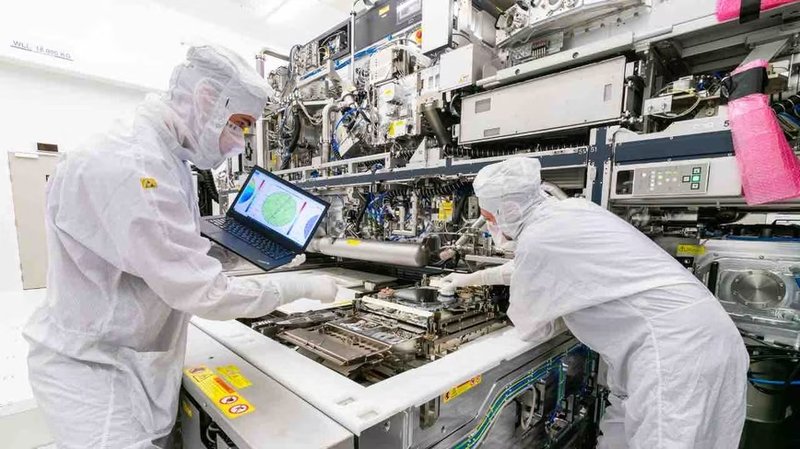
Nearfield Instruments, based in the Netherlands, proposes a different path: rather than pushing lithographic capabilities further, it focuses on process control—the set of techniques that detect and correct imperfections during wafer manufacturing. The goal is to achieve chip quality comparable to EUV-fabricated ones, but with potentially less expensive and more flexible equipment. Technical details remain confidential for now, but in the interview the company confirmed its ambition to carve out a space in a market dominated by a handful of suppliers.
For those tracking AI hardware dynamics, the entry of a new player into the production process is a significant signal. Demand for chips used in LLM training and inference continues to grow, and any innovation that can reduce reliance on EUV could help diversify supply and ease pricing pressure. This is especially relevant for organizations evaluating self-hosting: lower component costs and a more fluid supply chain could shift the TCO balance in favor of on-premise over cloud services.
Of course, the road ahead is long. Introducing a novelty into the semiconductor equipment market requires years of validation and the trust of foundries like TSMC, Samsung, or Intel. European technological sovereignty, a hot topic in recent months, might find in companies like Nearfield an additional piece to reduce supply chain vulnerabilities.
The interview provides no quantitative data, but the idea of countering EUV dominance with process control is a bet worth watching: if successful, its impact would not stop at production lines but would ripple all the way to private datacenter racks, where every Watt and every euro counts.


💬 Comments (0)
🔒 Log in or register to comment on articles.
No comments yet. Be the first to comment!