
Nikon entra in campo: una nuova sfida nel mercato della litografia
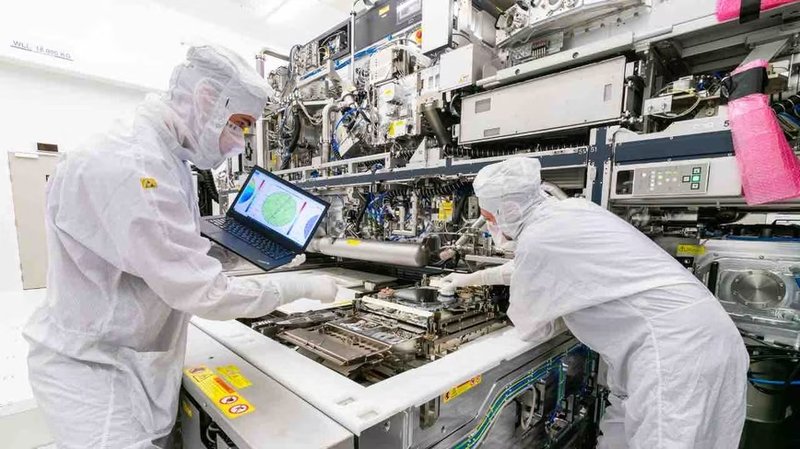
Il settore della produzione di chip è un ecosistema complesso e interconnesso, dove ogni anello della catena di fornitura gioca un ruolo fondamentale. Al centro di questo processo si trova la litografia, la tecnicia essenziale per incidere i circuiti sui wafer di silicio. Per anni, l'azienda olandese ASML ha mantenuto una posizione di quasi monopolio, in particolare per le tecnicie più avanzate come l'EUV (Extreme Ultraviolet). Tuttavia, un nuovo scenario competitivo si sta delineando con l'ingresso aggressivo di Nikon.
Il gigante tecnicico giapponese sta lanciando una sfida diretta alla leadership di ASML, puntando a erodere la sua quota di mercato. Questa mossa non è solo una questione di rivalità commerciale, ma rappresenta un potenziale punto di svolta per l'intera industria dei semiconduttori, con ripercussioni che si estendono fino al deployment di infrastrutture AI. La competizione in questo segmento critico della filiera può influenzare direttamente la disponibilità e il costo dei chip che alimentano i Large Language Models (LLM) e altri carichi di lavoro computazionali intensivi.
La strategia di Nikon: prezzi e produzione interna
La strategia di Nikon per affrontare il dominio di ASML si basa su due pilastri principali: prezzi più competitivi e l'ottimizzazione della propria capacità produttiva interna. Sfruttando le proprie fabbriche e il know-how accumulato, Nikon mira a offrire macchinari litografici a costi inferiori rispetto ai concorrenti. L'obiettivo dichiarato è quello di riattrarre i produttori di chip, in particolare quelli con sede negli Stati Uniti, che potrebbero essere alla ricerca di alternative per diversificare la propria catena di approvvigionamento e ridurre i costi operativi.
Questa tattica di "weaponizing lower prices" (come descritto nella fonte) non è solo una mossa di marketing, ma riflette una profonda comprensione delle pressioni economiche e geopolitiche che gravano sui produttori di semiconduttori. In un'epoca di crescenti tensioni commerciali e di ricerca di maggiore resilienza nelle filiere globali, la possibilità di accedere a fornitori alternativi e a costi più vantaggiosi può rappresentare un fattore decisivo per le aziende che investono massicciamente nella produzione di chip di nuova generazione.
Implicazioni per l'hardware AI e i deployment on-premise
L'intensificarsi della competizione nel mercato della litografia ha implicazioni dirette per il settore dell'intelligenza artificiale, in particolare per chi valuta deployment on-premise. La disponibilità e il costo delle GPU e di altri acceleratori hardware sono fattori critici per la scalabilità e l'efficienza dei carichi di lavoro AI. Se una maggiore competizione tra i fornitori di apparecchiature litografiche dovesse portare a una riduzione dei costi di produzione dei chip, ciò potrebbe tradursi, nel lungo periodo, in prezzi più accessibili per l'hardware AI.
Per CTO, DevOps lead e architetti di infrastrutture, questo scenario offre nuove prospettive. La possibilità di acquisire hardware a costi più contenuti può migliorare il Total Cost of Ownership (TCO) delle infrastrutture AI self-hosted, rendendo l'opzione on-premise ancora più attraente rispetto alle soluzioni cloud. Inoltre, una filiera di produzione di chip più diversificata e meno dipendente da un singolo fornitore può aumentare la resilienza della catena di approvvigionamento, un aspetto cruciale per garantire la sovranità dei dati e la continuità operativa in ambienti air-gapped o con stringenti requisiti di compliance. Per chi valuta deployment on-premise, esistono trade-off complessi che AI-RADAR analizza in dettaglio su /llm-onpremise.
Prospettive future e la ricerca di equilibrio
La sfida di Nikon ad ASML è un segnale chiaro di come il mercato dei semiconduttori sia in continua evoluzione, spinto da innovazione e dinamiche competitive. Se da un lato una maggiore competizione può portare benefici in termini di costi e diversificazione della supply chain, dall'altro introduce anche nuove complessità nella pianificazione strategica. I produttori di chip dovranno valutare attentamente le offerte dei diversi fornitori, bilanciando performance, costo e affidabilità.
Per l'ecosistema AI, l'effetto a cascata di queste dinamiche sarà monitorato con attenzione. La capacità di accedere a hardware all'avanguardia in modo efficiente e sicuro è fondamentale per lo sviluppo e il deployment di Large Language Models e altre applicazioni di intelligenza artificiale. L'equilibrio tra innovazione tecnicica, competitività di mercato e resilienza della filiera sarà la chiave per sostenere la crescita del settore nei prossimi anni.








💬 Commenti (0)
🔒 Accedi o registrati per commentare gli articoli.
Nessun commento ancora. Sii il primo a commentare!