Introduction: New Threats to Nvidia GPU Memory
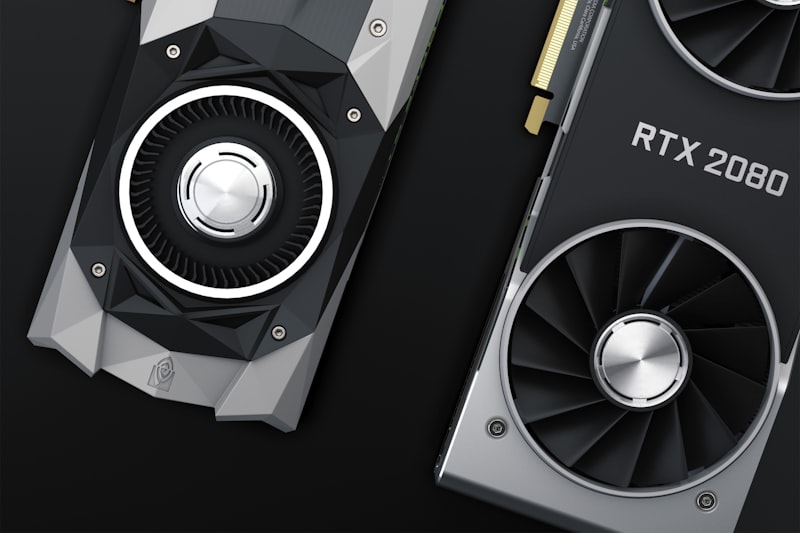
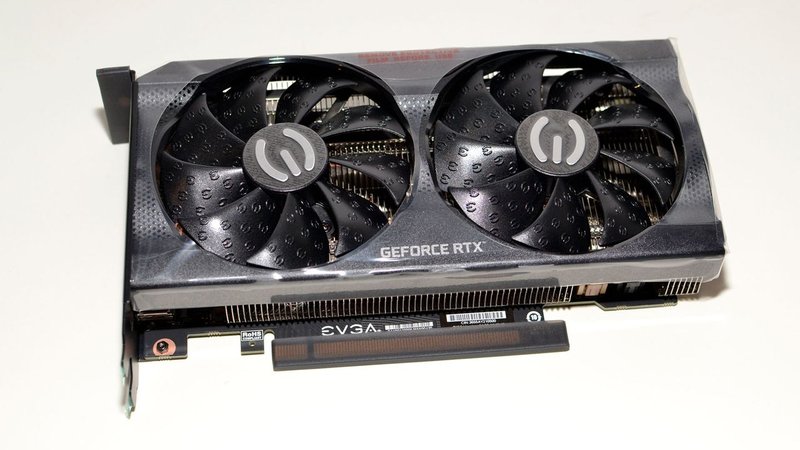
The cybersecurity landscape is expanding with two significant new threats, named 'GeForge' and 'GDDRHammer', directly targeting Nvidia GPU memory. These attacks represent an evolution of the well-known Rowhammer vulnerabilities, capable of fully infiltrating a system by manipulating the VRAM of graphics cards. The discovery, which involved specific models such as the GeForce RTX 3050 graphics cards, highlights how hardware-level vulnerabilities can profoundly impact the overall security of systems.
The ability of these attacks to force bit flips in protected VRAM regions to gain read/write access is particularly concerning. For companies managing intensive Large Language Model (LLM) workloads and relying on robust GPU infrastructures, VRAM security becomes a critical factor. The nature of these threats, which bypass traditional software defenses, necessitates a reconsideration of protection strategies at all levels.
Technical Detail: The Rowhammer Vulnerability in VRAM
The 'GeForge' and 'GDDRHammer' attacks exploit the principle of Rowhammer, a physical vulnerability inherent in DRAM technology. This phenomenon occurs when repeated and rapid access to a memory row (the “aggressor”) can induce electromagnetic interference sufficient to cause bit flips in adjacent memory rows (the “victims”), even if these latter rows have not been directly addressed. In the context of GPUs, this means that VRAM, despite being designed with protection mechanisms, can be manipulated at a physical level.
The peculiarity of these new attacks lies in their ability to extend the Rowhammer concept to GPU VRAM, overcoming protection barriers and gaining privileged access. The ultimate goal is to acquire read and write capabilities over memory areas that should remain isolated and secure. This type of compromise is not a simple software bug but a structural weakness of the silicio that can have systemic repercussions, endangering data integrity and the confidentiality of operations performed on the GPU.
Implications for On-Premise LLM Deployments
For CTOs, DevOps leads, and infrastructure architects evaluating or managing on-premise LLM deployments, these discoveries are of paramount importance. AI-RADAR's approach, which emphasizes data sovereignty, control, and TCO, finds in these vulnerabilities an additional evaluation factor. In a self-hosted or air-gapped environment, the responsibility for hardware security rests entirely with the organization. VRAM compromise can undermine trust in the integrity of models, training data, and inferences, with potentially severe consequences for compliance and corporate security.
The possibility of GPU memory-level infiltration introduces a new layer of risk that must be considered in the Total Cost of Ownership (TCO) calculation. The costs associated with mitigating such vulnerabilities, verifying hardware integrity, and potentially managing security incidents can be significant. For those carefully evaluating the trade-offs between self-hosted and cloud solutions, AI-RADAR offers analytical frameworks and insights on /llm-onpremise to support informed decisions, highlighting how hardware security is an indispensable pillar for infrastructural resilience.
Outlook and Mitigation Strategies
The discovery of 'GeForge' and 'GDDRHammer' underscores the dynamic and continuously evolving nature of hardware security threats. While GPU manufacturers constantly work to improve the resilience of their products, physical vulnerabilities like Rowhammer represent a persistent challenge. There are no simple or immediate solutions, but it is imperative to adopt a multi-layered security approach that includes not only robust software defenses but also a deep awareness of hardware risks.
Organizations must consider implementing physical security measures, adopting secure boot practices, and continuously monitoring system integrity. Hardware selection, deployment configurations, and access policies must all be informed by a thorough understanding of these vulnerabilities. The goal is not to eliminate every risk – an often unrealistic endeavor – but rather to strategically manage and mitigate trade-offs, ensuring that on-premise LLM deployments maintain the levels of security and control that make them attractive for the most critical enterprise needs.





💬 Comments (0)
🔒 Log in or register to comment on articles.
No comments yet. Be the first to comment!