Nvidia at Computex 2026: Vera Rubin Enters Production, RTX Spark Unveiled
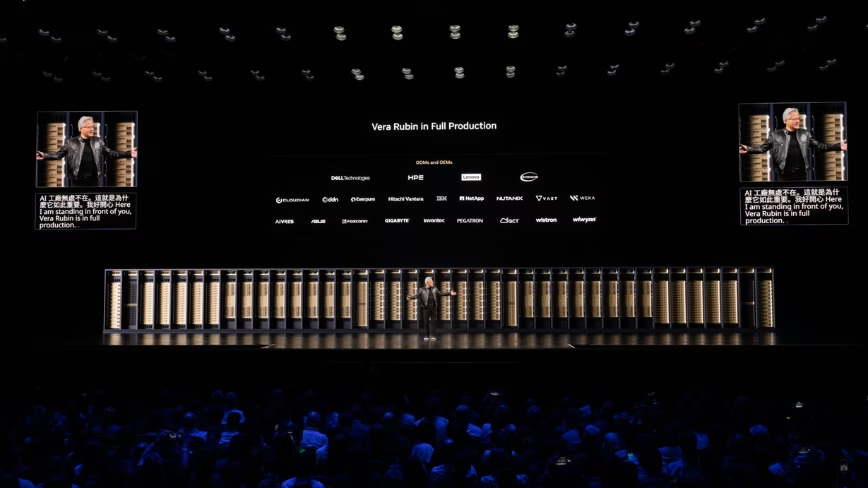
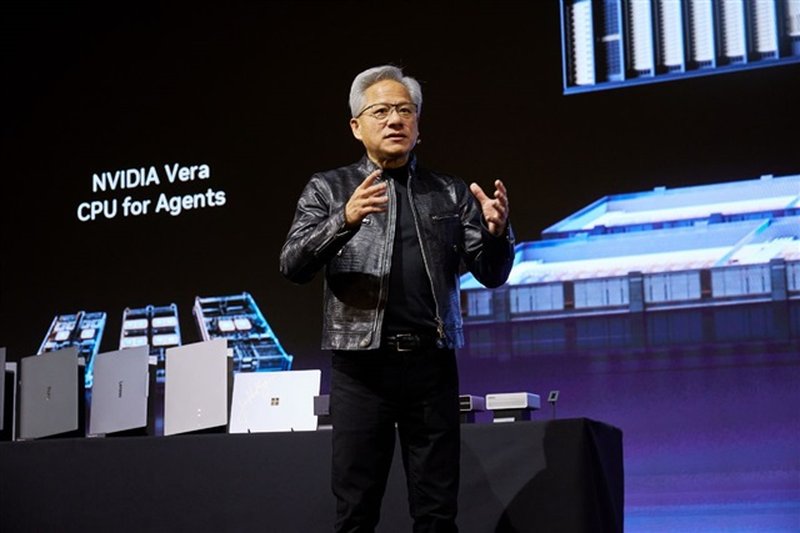
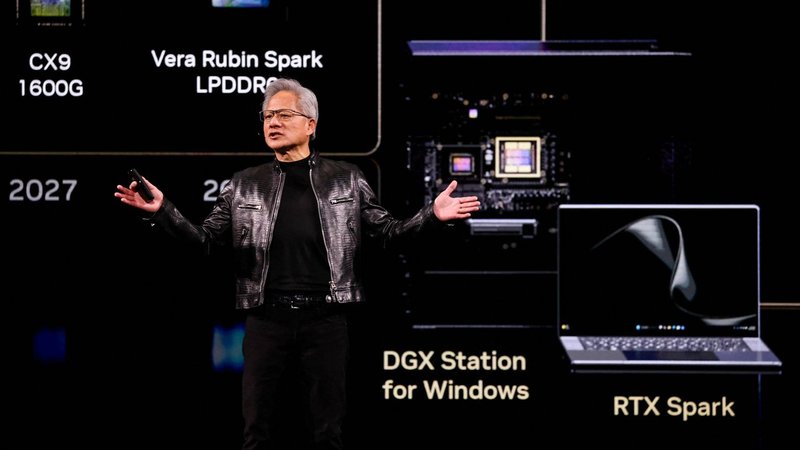
Jensen Huang, CEO of Nvidia, opened Computex 2026 in Taipei with a keynote that outlined the company's future directions in the technology landscape. The event, traditionally a benchmark for hardware innovations, saw Nvidia announce the availability of its next platform, named Vera Rubin, and introduce a new initiative in the Arm-based Windows PC sector with the RTX Spark project.
These announcements mark a significant evolution for Nvidia, which continues to consolidate its position not only as a dominant provider of GPUs for artificial intelligence but also as a key player in expanding AI into new form factors and operating environments. For IT professionals and decision-makers evaluating deployment strategies for Large Language Models (LLMs) and AI workloads, the presented novelties offer important insights into future hardware capabilities and available architectural options.
The Vera Rubin Platform: New Horizons for On-Premise AI
The announcement that the Vera Rubin platform is now "shipping" represents a crucial moment for the artificial intelligence ecosystem. While specific details about its technical capabilities were not explicitly stated in the source, a "next platform" from Nvidia typically implies substantial improvements in terms of computing power, VRAM capacity, and throughput—fundamental elements for large-scale LLM training and Inference.
For companies adopting a self-hosted or air-gapped approach for their AI workloads, the arrival of new hardware generations like Vera Rubin is of primary importance. These platforms directly influence the Total Cost of Ownership (TCO) of on-premise deployments, determining energy efficiency, compute density per rack, and the ability to handle increasingly complex models with reduced latencies. The availability of cutting-edge hardware is essential for maintaining data sovereignty and ensuring regulatory compliance, critical aspects for sectors such as finance, healthcare, and public administration.
RTX Spark: AI on Arm and Windows
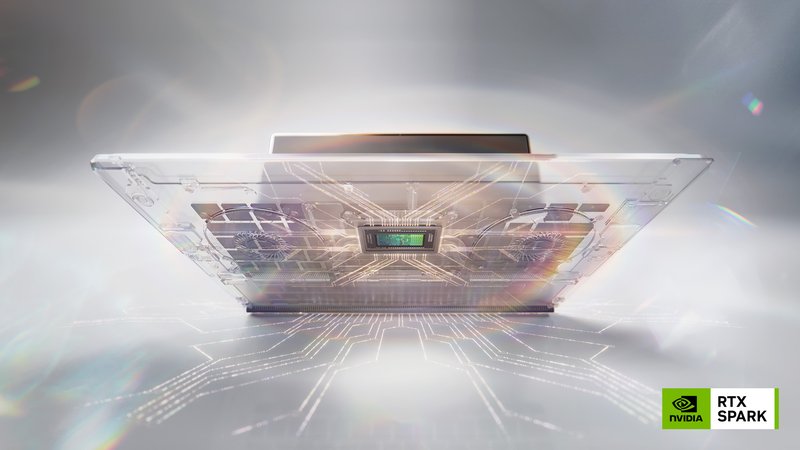
Another significant revelation from the keynote was RTX Spark, described as an Arm-based Windows machine. This move indicates Nvidia's intention to extend its AI capabilities to a broader market segment, potentially targeting AI inference scenarios on client devices or at the edge. The Arm architecture is renowned for its energy efficiency, an increasingly relevant factor for devices that need to run intensive workloads like LLMs directly on the device, reducing cloud dependency and improving privacy.
The integration of RTX capabilities on Arm-Windows platforms could open new possibilities for developers and businesses looking to deploy AI models directly on user PCs or in edge environments with power constraints. This approach supports the creation of more responsive and personalized AI applications, reducing latency and costs associated with continuous data transfer to remote servers.
Outlook for the AI-RADAR Ecosystem
The innovations presented by Nvidia at Computex 2026 underscore the rapid evolution of the hardware landscape for artificial intelligence. For CTOs, DevOps leads, and infrastructure architects, the choice between on-premise, cloud, or hybrid deployment becomes increasingly complex and strategic. The introduction of new GPU platforms and the expansion into efficient architectures like Arm offer more options but require careful evaluation of trade-offs.
Factors such as available VRAM, throughput, latency, power consumption, and overall TCO are crucial for optimizing training and inference pipelines. For those evaluating on-premise deployments, AI-RADAR offers analytical frameworks on /llm-onpremise to understand and compare these constraints, helping to make informed decisions that balance performance, cost, and data sovereignty requirements. The market continues to offer diverse solutions, and a deep understanding of hardware is more critical than ever.



💬 Comments (0)
🔒 Log in or register to comment on articles.
No comments yet. Be the first to comment!