Introduction
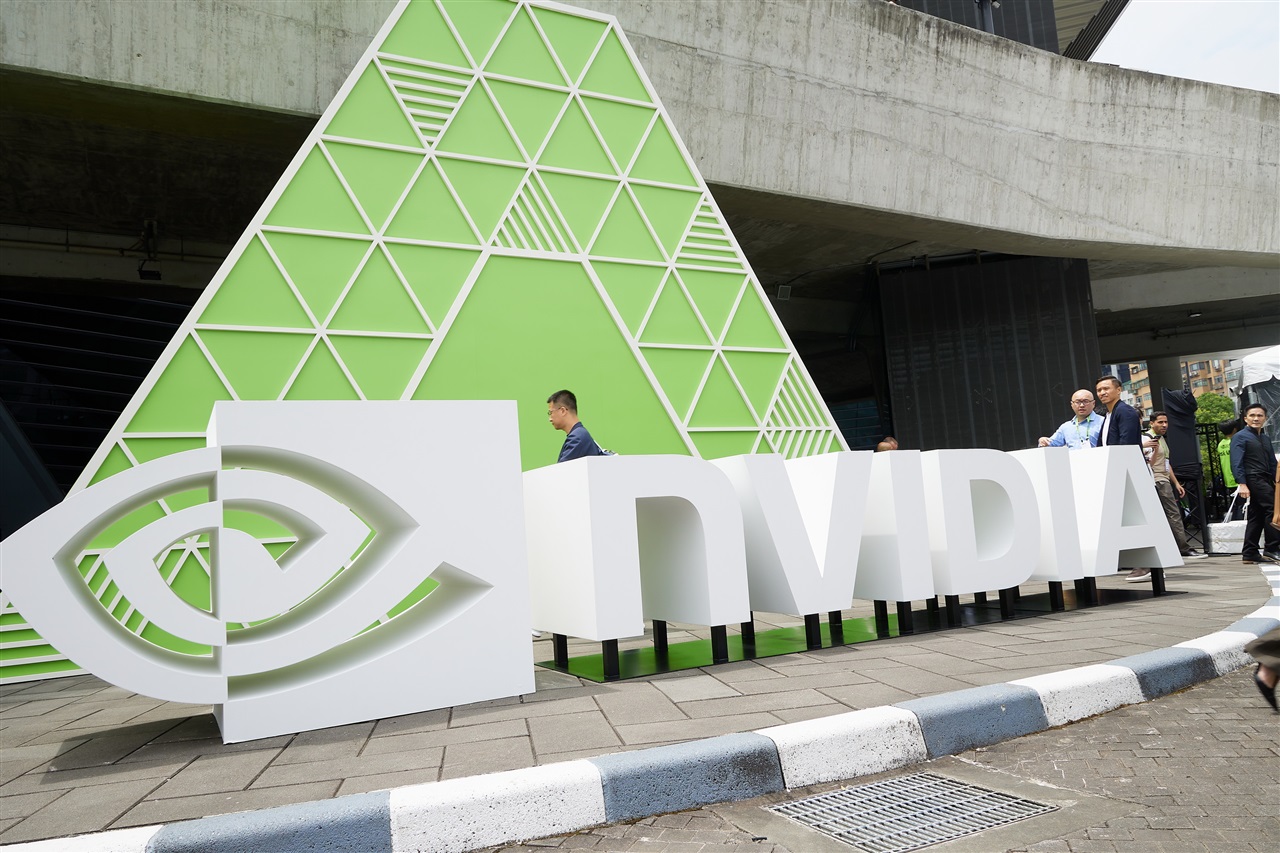
Nvidia, a dominant player in the artificial intelligence silicon landscape, recently completed a significant bond offering, raising US$25 billion. This financial operation is not only an indicator of the company's robust market position but also a clear signal of investors' confidence in the AI boom. The capital raised further strengthens Nvidia's ability to fund its operations and invest in research and development, solidifying its leadership in a rapidly evolving sector.
Investor interest in the AI sector is palpable and manifests through various forms of capitalization. Nvidia's bond issuance fits into this context, highlighting how the financial market is ready to support companies considered pillars of technological innovation. This influx of capital is crucial for fueling the growth and expansion of the infrastructure required for the development and deployment of Large Language Models (LLMs) and other AI applications.
The AI Market Context and Compute Demand
The artificial intelligence sector is experiencing unprecedented expansion, largely driven by the proliferation and adoption of LLMs. These models require massive computing capacity, both for the training phase, which can last weeks or months on GPU clusters, and for inference, which is the execution of models to generate real-time responses. Nvidia, with its GPU architectures like the A100 and H100 series, has positioned itself as the go-to provider for these intensive workloads.
Demand for high-performance GPUs, with ample VRAM and high throughput, continues to outstrip supply in many segments. This scenario has contributed to Nvidia's exponential market capitalization growth and has made the company a barometer for the overall health of the AI industry. The US$25 billion bond issuance reflects the perception that investing in this technology is a safe bet for the future, given its transformative impact across almost every industrial sector.
Implications for On-Premise Infrastructure
For enterprises evaluating LLM deployment, the choice between cloud solutions and self-hosted or on-premise infrastructures is a complex strategic decision. Nvidia's investment and market confidence underscore the importance of having adequate hardware. For on-premise deployments, this translates into the need to acquire GPUs with precise specifications, such as A100 80GB or H100 SXM5, essential for handling large models and ensuring acceptable throughput and latency.
Total Cost of Ownership (TCO) considerations, data sovereignty, and regulatory compliance (such as GDPR) often push organizations towards self-hosted or air-gapped solutions. However, this entails significant CapEx for the purchase of silicon, servers, and cooling infrastructure, as well as specialized expertise for management. For those evaluating these trade-offs, AI-RADAR offers analytical frameworks and insights at /llm-onpremise to support informed decisions, balancing performance, costs, and data control.
Future Outlook and Deployment Strategies
The AI market is constantly evolving, with new models, frameworks, and hardware architectures emerging. Nvidia's financial move not only strengthens its position but also stimulates innovation and competition across the entire ecosystem. Enterprises will need to carefully monitor these developments to define their deployment strategies, seeking a balance between adopting the most advanced technologies and the need to maintain control over their data and infrastructure.
Future deployment strategies will likely be increasingly hybrid, combining the flexibility of the cloud for variable workloads with the security and control of on-premise solutions for sensitive data or critical workloads. The massive investment in the AI sector, as highlighted by Nvidia's bond issuance, ensures that innovation in hardware and software will continue to advance rapidly, offering new opportunities and challenges for CTOs, DevOps leads, and infrastructure architects.





💬 Comments (0)
🔒 Log in or register to comment on articles.
No comments yet. Be the first to comment!