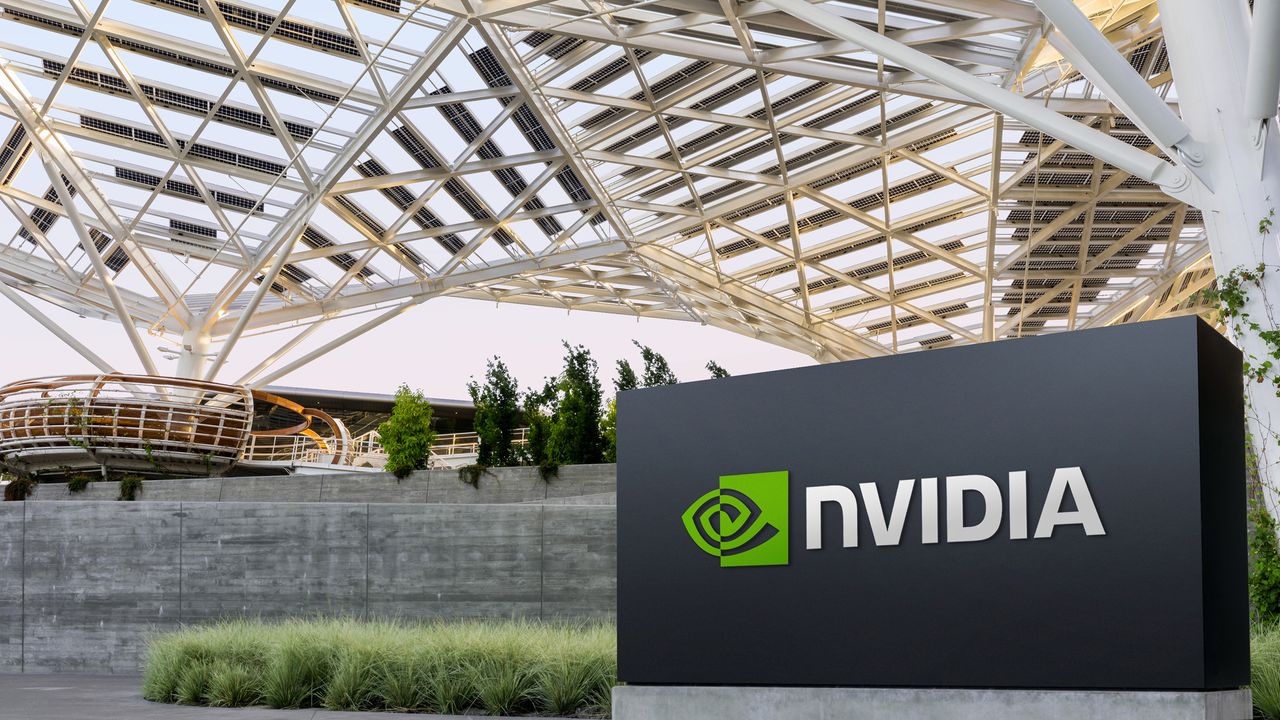
Nvidia and the AI Boom: A Record-Breaking Quarter
Nvidia has announced a profit of $81.6 billion in the first quarter, a result that unequivocally underscores the impact of the artificial intelligence boom on its business model. This exceptional financial data not only reflects the strong demand for AI-dedicated hardware but has also prompted the company to undertake significant internal reorganization. The most evident move is the decision to no longer report graphics solutions sales as a separate segment, effectively integrating these metrics into broader categories that reflect the growing convergence between graphics and AI computing.
This transformation in financial reporting is a clear signal of Nvidia's strategic direction. The company, traditionally known for its GPUs aimed at gaming and professional graphics, has solidified its position as a key infrastructural provider for the artificial intelligence ecosystem. Success in the AI sector, particularly with Large Language Models (LLMs), has become the primary driver of its growth, surpassing the importance of more traditional market segments.
The Crucial Role of Hardware in the LLM Era
Nvidia's record profit is intrinsically linked to the fundamental role of its GPUs in the development and deployment of LLMs. These graphics processing units are the backbone for both intensive model training, which demands enormous computing power and VRAM, and for Inference, the execution of trained models. The ability to handle large volumes of data and perform operations in parallel makes Nvidia GPUs the predominant choice for AI workloads.
For companies evaluating on-premise LLM deployments, Nvidia hardware often represents a central component. The choice of GPUs, such as A100 or the more recent H100 models, with their specific VRAM and throughput capabilities, is critical for determining system performance and scalability. Architectures supporting high-speed interconnects, like NVLink, are essential for building multi-GPU clusters capable of handling complex models and stringent latency requirements, fundamental elements for those seeking complete control over their data and infrastructure.
Market Implications and Deployment Strategies
AI's centrality to Nvidia's financial success has profound implications for the entire technology market. The demand for AI GPUs has created pressure on the supply chain and pricing, influencing investment decisions for CTOs and infrastructure architects. For organizations aiming for data sovereignty, regulatory compliance (such as GDPR), or the need for air-gapped environments, self-hosted LLM deployment becomes a strategic priority. This approach, while requiring a significant initial capital expenditure (CapEx) in hardware and infrastructure, can offer a more advantageous Total Cost of Ownership (TCO) in the long run compared to the operational expenses (OpEx) of cloud services, in addition to ensuring unparalleled control over data and security.
The choice between cloud and on-premise solutions for AI workloads is a complex trade-off involving factors such as scalability, flexibility, security, and TCO. While the cloud offers agility and immediate access to resources, self-hosted solutions allow for deep customization, enhanced security for sensitive data, and the ability to optimize hardware for specific workloads. For those evaluating on-premise deployment, AI-RADAR offers analytical frameworks on /llm-onpremise to assess these trade-offs and support informed decisions.
Future Prospects in the AI Landscape
Nvidia's first-quarter success is not just an indicator of its strength but also a barometer of the current state of the AI industry. The growing adoption of LLMs across various sectors, from finance to healthcare, continues to drive demand for increasingly powerful and efficient computing infrastructures. This trend suggests that the AI hardware market will remain a strategic battleground, with continuous innovations in chip architectures, cooling solutions, and interconnects.
For businesses, the ability to navigate this evolving landscape, choosing the right deployment strategies and most appropriate hardware investments, will be crucial for maintaining a competitive edge. Nvidia's redefinition of market segments is a promise that the AI era is just beginning, and with it, the need for robust, secure, and controllable infrastructures to power the next generation of innovations.






💬 Comments (0)
🔒 Log in or register to comment on articles.
No comments yet. Be the first to comment!