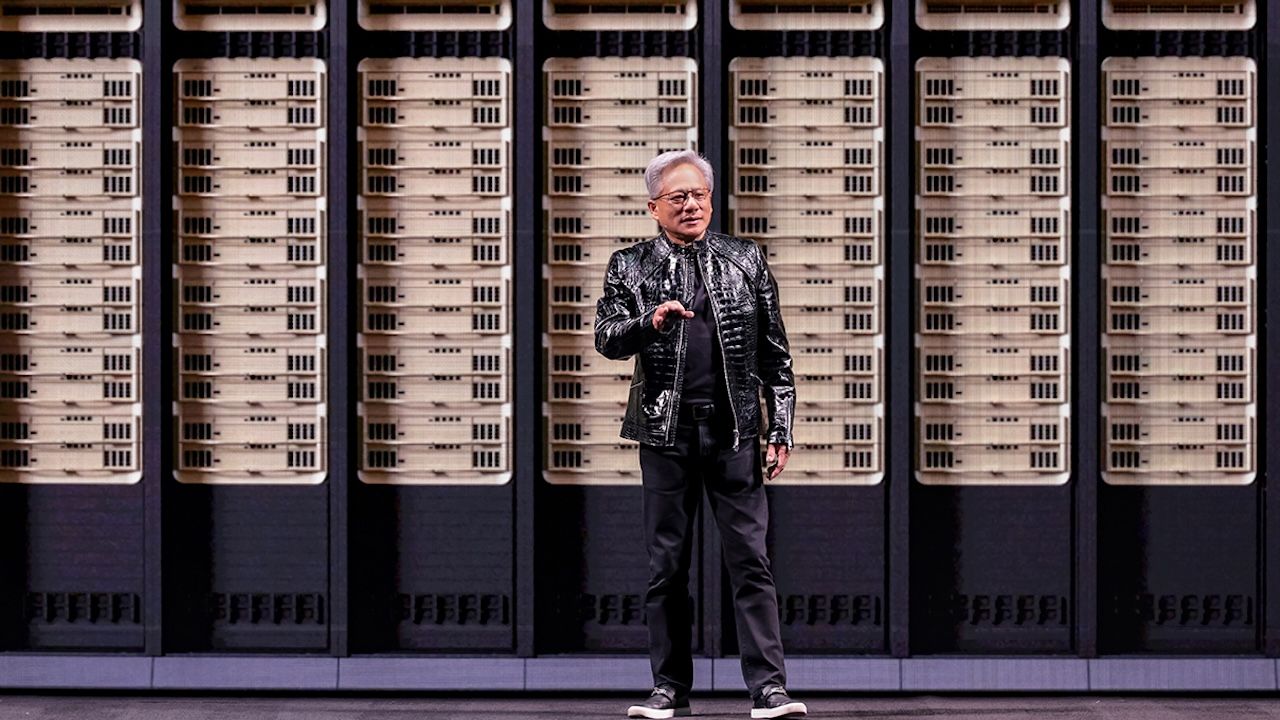
Jensen Huang, Nvidia's CEO, used emphatic language to describe the company's commitment to its upcoming Vera Rubin architecture: he promised to deliver “giant amounts” of these GPUs, while the company stressed that its roadmap is intact. At a time when AI compute demand shows no signs of slowing, the statement isn't just investor reassurance — for those managing or planning on-premises training and inference infrastructure, supply stability is a decisive factor in Total Cost of Ownership (TCO) and data sovereignty.
Vera Rubin is the architecture set to succeed Blackwell, the current standard in datacenter GPUs. While technical details remain under wraps, the promise of “giant” volumes suggests an unprecedented production scale, likely intended to meet demand from cloud providers and enterprises opting for self-hosted deployments. In a landscape where GPU availability has often been a bottleneck, Huang's reassurance signals that Nvidia is ready to invest heavily in its supply chain, potentially heading off concerns that it's too fragile to keep pace.
The roadmap confirmation carries particular weight for organizations running large language models in controlled environments. For many, from finance to healthcare, owning the hardware on which models run is not a luxury but a prerequisite for regulatory compliance and privacy protection. When a roadmap is “intact,” those planning server purchases with next-generation GPUs can do so with less uncertainty, knowing Vera Rubin will arrive on a predictable cadence without abrupt strategic shifts. This helps avoid costly replanning and allows coherent investment distribution.
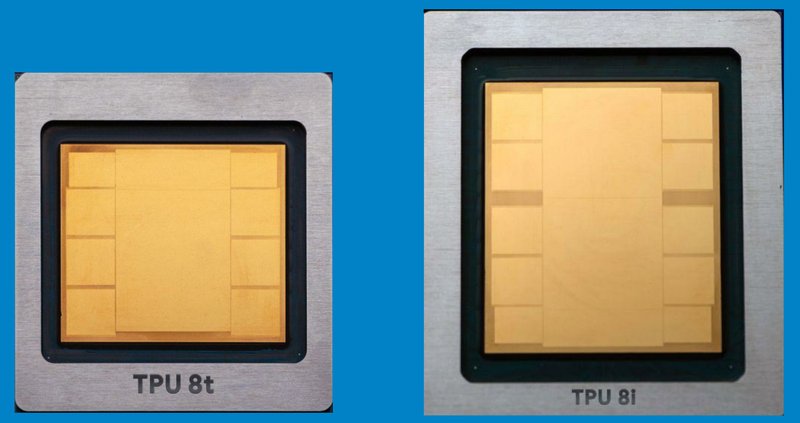
The emphasis on volume may also signal a response to fierce competition from AMD's MI300 and MI400 lines, as well as custom solutions like Google's TPUs or AWS Trainium chips. For Nvidia, defending leadership means not only delivering top performance but also ensuring that those building on-premises clusters can actually obtain hardware without prohibitive wait times. Huang's statement, therefore, is more than a financial call footnote — it's a piece of the CUDA ecosystem lock-in strategy at a time when AI workloads become ever more strategic.
For engineers and decision-makers tracking the evolution of LLM platforms, the “giant amounts” promise for Vera Rubin adds a layer of confidence for long-term planning. Whether production reality will match the words remains to be seen, but the public declaration signals that Nvidia prioritizes keeping pace with unstoppable demand, especially for deployments that favor direct data control.






💬 Comments (0)
🔒 Log in or register to comment on articles.
No comments yet. Be the first to comment!