
Nvidia RTX Spark: The Chips Redefining the Future of AI on PC
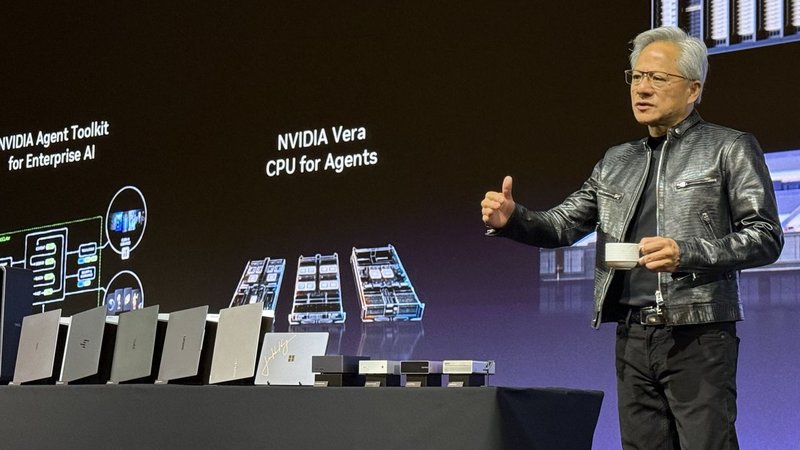
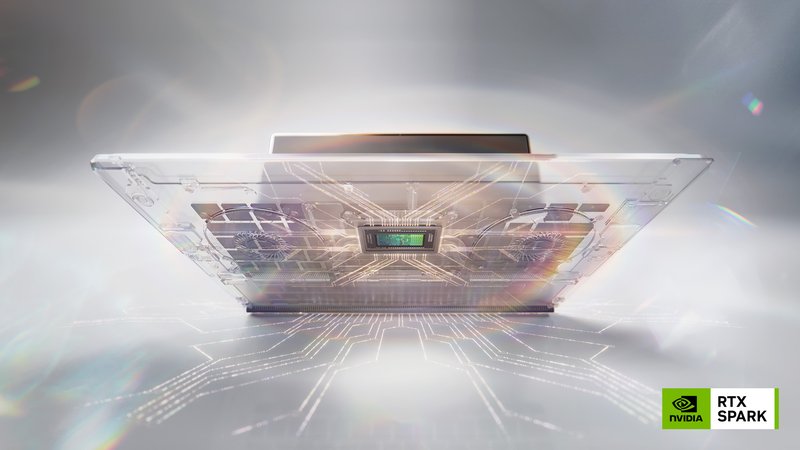
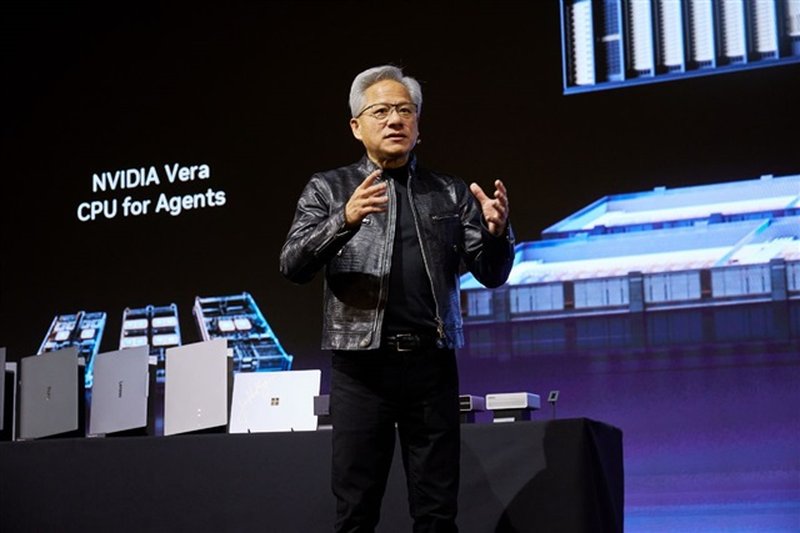
Nvidia is aiming for a significant evolution in the artificial intelligence landscape, focusing on client devices. With the introduction of its RTX Spark chips for laptops, the company seeks to transform the concept of the "AI PC" from a futuristic vision into a tangible reality. This initiative marks an important step towards the deep integration of Large Language Models (LLM) capabilities and other AI applications directly into personal computers.
The goal is to enable the execution of complex AI workloads without the need for a constant cloud connection. This approach not only promises to enhance the user experience with faster, more personalized responses but also opens new frontiers for data sovereignty and security, crucial aspects for many organizations and end-users.
The Technological Context and Implications for Edge AI
The "AI PC" concept implies a fundamental shift in how artificial intelligence is processed and distributed. Traditionally, AI model inference, especially for large models like LLMs, has required significant computational resources, often available only in cloud data centers. However, the push towards edge computing and client devices is gaining momentum, driven by the need to reduce latency, ensure data privacy, and optimize the Total Cost of Ownership (TCO) for specific workloads.
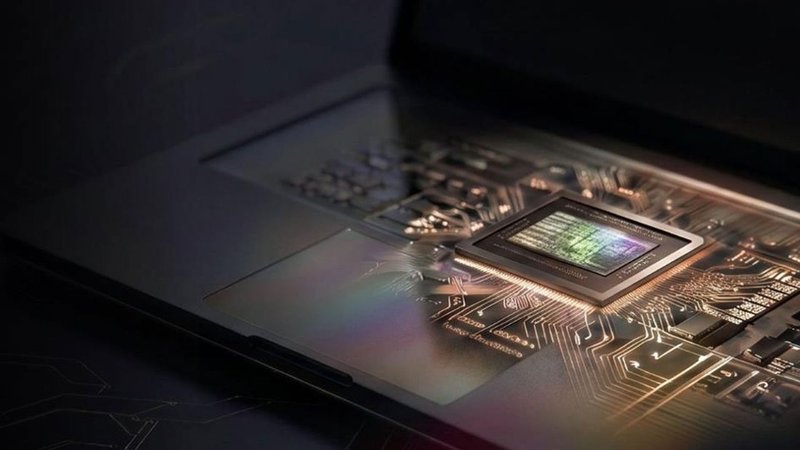
Nvidia's RTX Spark chips fit into this context by providing the necessary hardware to perform AI inference directly on laptops. This means that operations such as text generation, image analysis, or language translation can occur locally, without sensitive data needing to leave the device. For companies operating in regulated sectors, such as finance or healthcare, this ability to keep data on-premise or at the endpoint represents a considerable advantage in terms of compliance and security.
Hardware for On-Device AI
While the source does not specify the exact technical details of the RTX Spark chips, it can be inferred that Nvidia is integrating or enhancing dedicated hardware components for AI acceleration. Typically, this includes Tensor Cores or neural processing units (NPUs) that are optimized for the matrix operations fundamental to LLM inference and other machine learning models. The availability of sufficient VRAM and adequate memory bandwidth are equally crucial for handling increasingly large models, even after Quantization techniques.
The challenge for laptops is balancing computing power and energy consumption. RTX Spark chips will need to offer high throughput for AI inference while maintaining energy efficiency to ensure good battery life. This balance is essential to make the AI PC a practical and widespread solution, capable of handling complex workloads such as fine-tuning smaller models or running real-time AI pipelines directly on the device.
Future Prospects and Deployment Trade-offs
The advent of chips like Nvidia's RTX Spark opens new discussions on AI deployment models. Organizations are increasingly evaluating a hybrid approach, where some AI workloads remain in the cloud for their scalability and flexibility, while others are shifted to the edge or self-hosted environments for reasons of latency, cost, or data sovereignty. The ability to run LLMs locally on PCs can reduce reliance on paid cloud services for every single query, positively impacting long-term TCO.
For those evaluating on-premise or edge deployments, there are significant trade-offs to consider. While local processing offers advantages in terms of control and privacy, it requires more careful management of hardware and software. AI-RADAR offers analytical frameworks on /llm-onpremise to evaluate these trade-offs, providing tools to compare performance, costs, and infrastructure requirements across different options. Nvidia's initiative with RTX Spark is a clear indicator that the future of AI will be increasingly distributed, with a growing role for on-device processing.



💬 Comments (0)
🔒 Log in or register to comment on articles.
No comments yet. Be the first to comment!