Introduzione
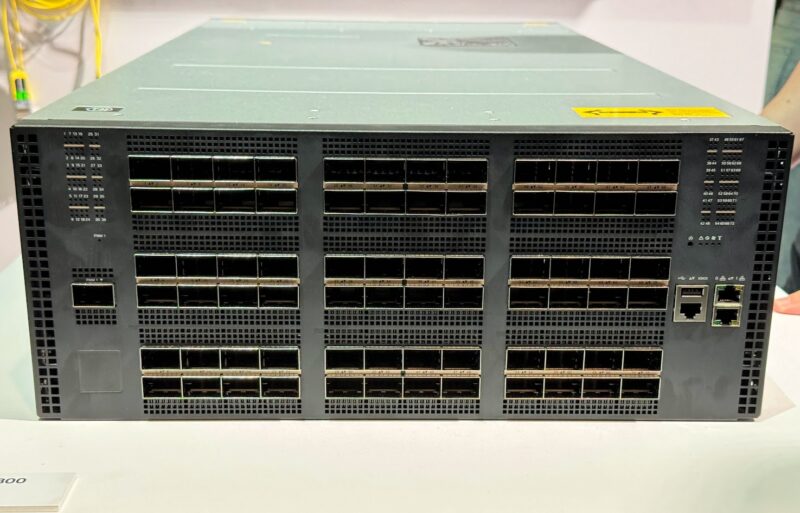
NVIDIA ha svelato Spectrum-X MRC, un protocollo di trasporto RDMA (Remote Direct Memory Access) proprietario. Questa soluzione è già impiegata in deployment di AI su scala gigascale, evidenziando la crescente necessità di infrastrutture di rete specializzate per gestire i carichi di lavoro complessi e intensivi degli LLM e di altri modelli AI avanzati. L'innovazione nel networking è tanto cruciale quanto quella nel silicio delle GPU per sbloccare il pieno potenziale dell'intelligenza artificiale.
Per le aziende che sviluppano e rilasciano modelli AI, la capacità di muovere grandi volumi di dati tra migliaia di GPU con minima latenza è un fattore differenziante. Spectrum-X MRC si posiziona come una risposta a questa esigenza, ottimizzando la comunicazione per scenari che richiedono prestazioni estreme e un'elevata efficienza operativa.
Il Ruolo di RDMA nell'AI su Larga Scala
RDMA è una tecnicia che permette ai computer di accedere direttamente alla memoria di un altro computer senza coinvolgere la CPU del sistema remoto. Questo riduce significativamente l'overhead e la latenza, aspetti fondamentali per i carichi di lavoro AI distribuiti. In contesti di training o inference di LLM, dove array di GPU devono scambiare costantemente dati e gradienti, l'efficienza del trasporto dati è direttamente correlata alla velocità e all'efficienza complessiva del sistema.
Un protocollo RDMA personalizzato come Spectrum-X MRC può essere ottimizzato per le specifiche esigenze dei framework AI e delle architetture GPU di NVIDIA. Questo significa una gestione più efficiente del throughput e una riduzione dei colli di bottiglia che spesso emergono in configurazioni di calcolo distribuito su larga scala. La capacità di spostare i token e gli embeddings tra le unità di elaborazione con la massima rapidità è essenziale per mantenere alte le performance e accelerare i tempi di sviluppo e deployment dei modelli.
Implicazioni per i Deployment On-Premise
Per CTO, DevOps lead e architetti infrastrutturali che valutano alternative self-hosted rispetto al cloud per i carichi di lavoro AI/LLM, soluzioni di rete come Spectrum-X MRC sono di primaria importanza. La costruzione di un'infrastruttura AI on-premise o air-gapped richiede un controllo granulare su ogni componente, dal bare metal al software stack. Un protocollo di trasporto ottimizzato contribuisce a massimizzare l'efficienza dell'hardware, influenzando direttamente il TCO (Total Cost of Ownership).
La sovranità dei dati e la compliance normativa sono spesso motori chiave per i deployment on-premise. Garantire che i dati rimangano all'interno dei confini aziendali o nazionali richiede un'infrastruttura robusta e performante. L'adozione di tecnicie di rete avanzate permette di raggiungere i livelli di performance richiesti dai modelli AI più esigenti, mantenendo al contempo il controllo completo sull'ambiente. Per chi valuta deployment on-premise, AI-RADAR offre framework analitici su /llm-onpremise per valutare i trade-off tra performance, costo e controllo.
Prospettive Future e Considerazioni
L'introduzione di protocolli di rete personalizzati come Spectrum-X MRC evidenzia una tendenza chiara: l'ottimizzazione dell'intera pipeline hardware-software è fondamentale per l'avanzamento dell'AI. Non è sufficiente avere GPU potenti; è necessario che queste possano comunicare tra loro e con il resto dell'infrastruttura in modo efficiente, garantendo bassa latenza e alto throughput per carichi di lavoro intensivi.
Questa evoluzione nel campo del networking per l'AI offre alle organizzazioni la possibilità di progettare e implementare sistemi che non solo soddisfano le attuali esigenze di performance, ma sono anche scalabili per le sfide future. La scelta di componenti infrastrutturali, inclusi i protocolli di rete, diventa un elemento strategico nella definizione della capacità di un'azienda di innovare e competere nel panorama dell'intelligenza artificiale, sia in ambienti self-hosted che ibridi.





💬 Commenti (0)
🔒 Accedi o registrati per commentare gli articoli.
Nessun commento ancora. Sii il primo a commentare!