
Nvidia's crackdown on overseas cloud AI GPU rentals destined for Chinese customers is not just a compliance matter. It signals that the battle for access to LLM compute is shifting from the cloud to direct control of infrastructure.
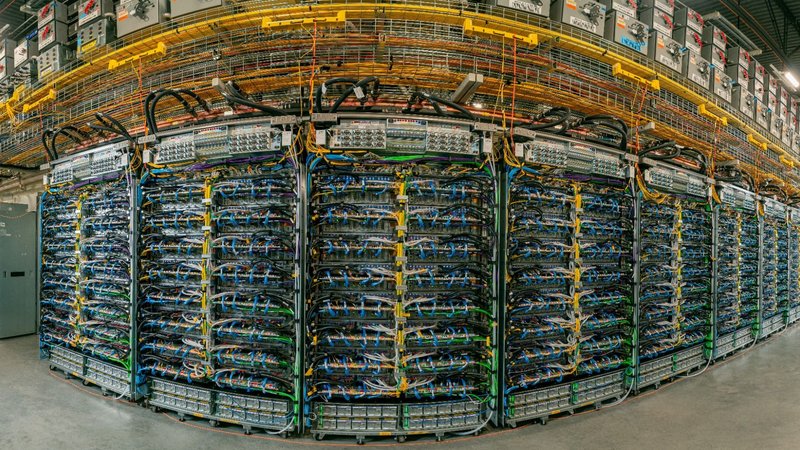
For years, renting GPUs on overseas clouds provided a convenient access route: the hardware remained physically outside China while the compute capacity was consumed remotely. Nvidia is now tightening the screws, forcing a rethink of a model based on operational cost, without tying up capital in servers and without managing maintenance pipelines. Companies with ties to China or operating in that market can no longer take for granted access to inference and fine-tuning capacity based on high-end GPUs.
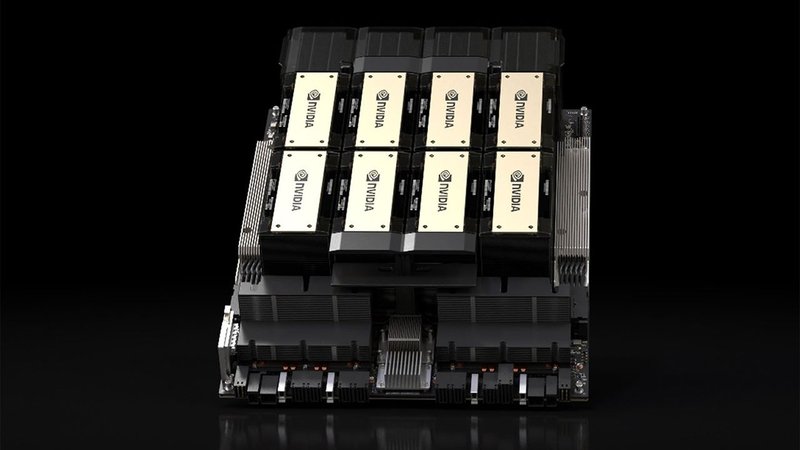
The second-order consequence is an acceleration toward on-premise and self-hosted deployment. When cloud rental becomes uncertain, purchasing dedicated hardware — even if more expensive in terms of initial TCO — reduces the risk of losing access. This shifts the financial burden from OpEx to CapEx and forces teams to directly manage quantization, VRAM constraints, and tokens per second optimization. From a data sovereignty perspective, local infrastructure reduces exposure to third parties and simplifies compliance with regulations like GDPR; however, the shortage of high-capacity GPUs forces compromises on precision through aggressive quantization or smaller models.
There is also a third-order effect: cloud providers outside China will have to strengthen identity and geolocation checks, increasing friction and onboarding costs. Startups that relied on low-cost rentals will either have to seek less capable domestic alternatives or invest in self-hosted clusters, acquiring hardware and software skills they previously did not need. This could accelerate the development of alternative accelerators, but in the short term it makes LLM compute capacity scarcer and more expensive.
For those evaluating on-premise deployment, AI-RADAR offers analytical frameworks to weigh these trade-offs. Nvidia's move does not eliminate LLM compute demand: it makes it more expensive, more local, and more controlled. And that, more than the block itself, is the structural signal to watch.






💬 Comments (0)
🔒 Log in or register to comment on articles.
No comments yet. Be the first to comment!