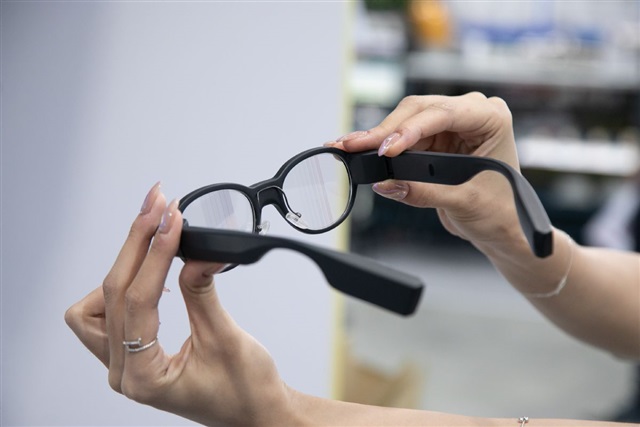
Digitimes has spotlighted a shift that wearable industry observers already sensed: the smart glasses race is entering a phase where AI ecosystems outweigh hardware specifications. This isn’t a dismissal of hardware, but a recognition that processors, displays, and batteries are now table stakes; the real battlefield is integration with voice assistants, language models, and contextual services.
Behind this pivot lies a structural question: who will control everyday AI interaction on the move? Traditional component and device makers risk becoming mere assemblers, while software platforms — think Meta with Ray-Ban Stories and Meta AI, or Google with its Android/Assistant ecosystem — could set the rules. This isn’t just a consumer market issue. Smart glasses are always-on sensors (cameras, microphones, eye tracking). If AI processing is offloaded to the cloud, the sheer volume of biometric and environmental data leaving the device becomes a sovereignty problem that enterprises and governments can’t easily negotiate away.
A dual track is emerging. On one side, glasses tethered to cloud-first ecosystems that monetize services and data but create dependence on persistent connectivity and raise GDPR compliance headaches. On the other, an approach centered on on-device inference, where part of the intelligence runs locally: quantized models, compact LLMs optimized for low-power chips, processing pipelines designed with privacy at their core. It’s here that the smart glasses contest intersects with the dynamics facing those evaluating on-premise and edge AI deployments: the need to process sensitive workloads without moving data, cutting latency and exposure risk.
The signal for practitioners is clear. The AI ecosystem war will accelerate the miniaturization of inference and model compression techniques. Companies designing glasses without a local processing strategy risk being shut out of regulated markets or enterprise sectors where data‑handling transparency is a procurement requirement. Conversely, those investing in specialized edge hardware — NPUs, DSPs, dedicated AI cores — can deliver devices that work offline, sharply differentiating themselves from cloud‑dependent products.
It’s no coincidence that recent smart glasses announcements emphasize AI capabilities over traditional numbers like screen resolution or battery life. The prize is no longer who ships the best display, but who delivers a useful experience without turning the user into an uncontrolled source of telemetry. In that light, the Digitimes report is more than a wearables curiosity: it’s a harbinger of a reshuffling that touches the entire AI value chain, from silicon to application, and will force us to rethink the assumptions behind the intelligence we embed in the devices we wear every day.







💬 Comments (0)
🔒 Log in or register to comment on articles.
No comments yet. Be the first to comment!