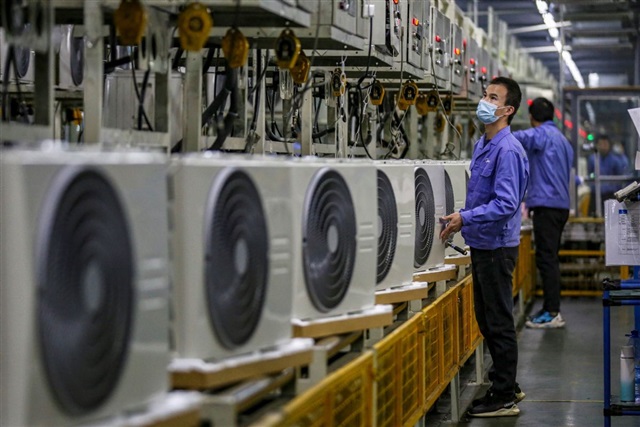
The record temperatures sweeping across Europe are not just a weather story: they are turning into a catalyst for the chip industry. The rush to buy air conditioners, an inevitable response to the persistent heat, is triggering robust growth in the power semiconductor segment—the essential components for efficiently managing the energy that drives compressors, fans, and control systems.
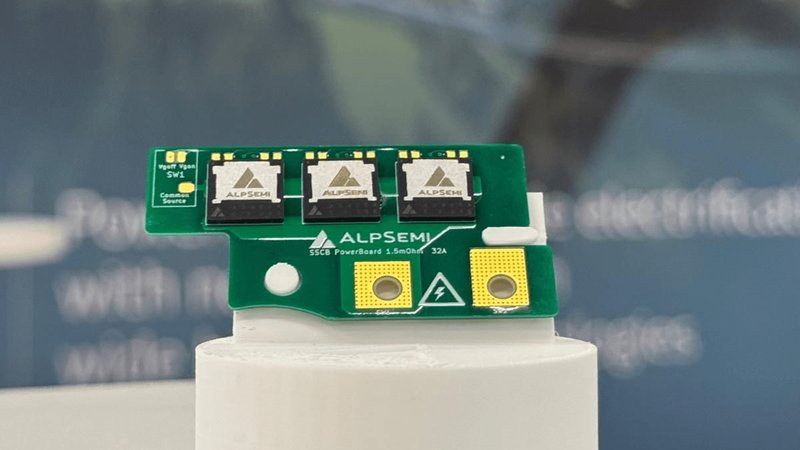
This is not an isolated phenomenon. IGBT modules, silicon carbide (SiC) MOSFETs, and other switching technologies find fertile ground whenever climate control demand spikes. These devices enable high-current modulation with minimal losses, a decisive factor when millions of units kick in simultaneously, putting pressure on power grids. For manufacturers, the real challenge lies in supplying components that can operate at elevated temperatures without performance degradation—a requirement that silicon carbide is pushing to levels previously unthinkable for traditional silicon.
But there is a second layer, less visible yet critical for those dealing with on-premise IT infrastructure. The same heatwave that fuels residential air conditioning also stresses data centers. In a local deployment scenario, where businesses directly manage the hardware for Large Language Model inference or training, energy efficiency is not a green nicety: it is an operating cost item that directly impacts TCO. Higher-performance power chips reduce conversion losses in server power supplies, cut dissipated heat, and, in turn, lower cooling requirements.
For those eyeing self-hosted stacks—from servers equipped with H100 GPUs to more contained solutions for quantized models—the link with power semiconductor evolution is often underestimated. When a system draws fewer amps for the same computation, it not only saves on the electricity bill but also simplifies thermal design and extends hardware lifecycle. In a context of multiplying on-premise nodes, this cumulative effect can determine whether a project remains economically viable or derails on ancillary costs.
The pressure on the power chip market, heightened by increasingly frequent heatwaves, also signals a potential bottleneck for those planning new hardware purchases. If foundries prioritize volumes destined for large-scale consumer electronics, enterprise power supply components could face longer lead times or price tensions. It is a trade-off that anyone assessing AI infrastructure investments would do well to monitor, rather than be caught off guard.
Beyond the hype, the scorching summer of 2024 (and those to come) serves as a reminder of how deeply physics and markets are intertwined. This is not just about selling more air conditioning, but about building an ecosystem where every watt counts—from a bedroom compressor to the rack processing prompts.




💬 Comments (0)
🔒 Log in or register to comment on articles.
No comments yet. Be the first to comment!