Introduzione: La Biosintesi di Triptamine in Ambienti Controllati
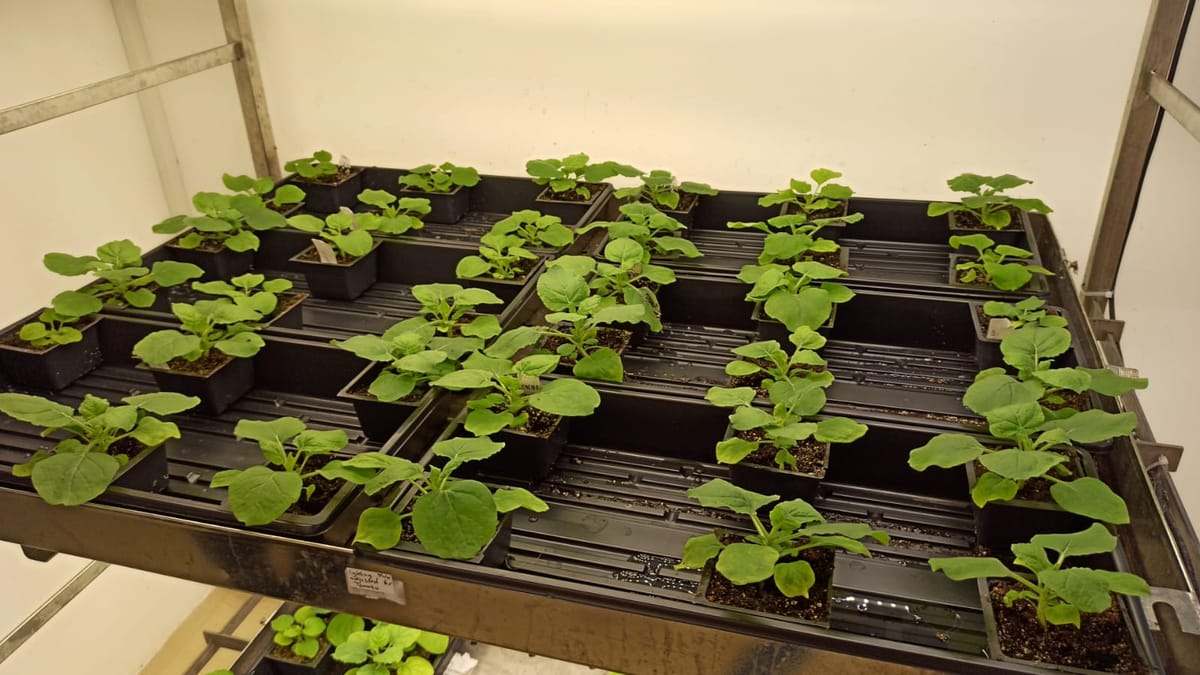
Un recente studio pubblicato su Science Advances ha rivelato un'innovazione significativa nel campo della biotecnicia vegetale: scienziati hanno modificato geneticamente piante di tabacco per produrre simultaneamente cinque composti psichedelici. Questi includono la psilocibina, tipica dei funghi allucinogeni, la N,N-Dimetiltriptamina (DMT), componente attivo dell'ayahuasca, e le sostanze psicoattive bufotenina e 5-metossi-DMT, secrete dal rospo del deserto di Sonoran. L'obiettivo primario di questa ricerca è sviluppare un metodo di produzione più sostenibile e scalabile di queste molecole, destinate esclusivamente a usi medici e in contesti clinici controllati.
Questa svolta potrebbe rappresentare un passo avanti nella disponibilità di triptamine, una sottoclasse di metaboliti con un potenziale terapeutico riconosciuto per condizioni quali depressione, ansia, disturbi dell'umore e disturbo da stress post-traumatico. La domanda crescente per questi composti, sia per scopi ricreativi che medicinali, ha messo sotto pressione le fonti naturali, come dimostra il rapido declino delle popolazioni del rospo del deserto di Sonoran a causa del bracconaggio e della raccolta eccessiva.
Dettagli Tecnici e Implicazioni Produttive
Il team di ricerca, guidato da Paula Berman e Asaph Aharoni del Weizmann Institute of Science, ha identificato i percorsi biosintetici chiave per i cinque composti: psilocina e psilocibina (funghi), DMT (piante), e bufotenina e 5-metossi-DMT (rospo). Successivamente, i geni attivi di questi percorsi sono stati inseriti nelle foglie delle piante di tabacco, creando una piattaforma botanica capace di produrre tutti e cinque i psichedelici. Questa metodologia offre un'alternativa alle complesse e spesso inquinanti sintesi chimiche, che richiedono passaggi di lavorazione articolati e reagenti pericolosi, generando scarti chimici.
Un aspetto cruciale del progetto è il controllo sulla diffusione genetica. Le piante modificate sono state ingegnerizzate in modo da non poter trasmettere i geni alle generazioni future. Come spiegato da Berman, si tratta di una "proof of concept" che garantisce che la ricerca rimanga confinata all'ambito scientifico, prevenendo la diffusione incontrollata di piante con composti potenzialmente pericolosi. Questo approccio mirato non solo riduce l'impatto ambientale, ma salvaguarda anche le popolazioni selvatiche delle specie originali, permettendo che le loro risorse siano riservate per le pratiche tradizionali indigene.
Controllo, Etica e Sovranità della Produzione
L'enfasi posta dai ricercatori sull'uso medico esclusivo e sul controllo della trasmissione genetica delle piante sottolinea un principio fondamentale: l'innovazione tecnicica, specialmente quando tocca risorse sensibili, richiede una governance rigorosa. Questo approccio risuona con le discussioni sulla sovranità dei dati e il controllo delle infrastrutture nel settore tecnicico, dove la capacità di gestire e proteggere le risorse è cruciale. Nel contesto della biosintesi, il controllo sulla "pipeline" di produzione e sul "deploy" dei composti è essenziale per garantire che i benefici superino i rischi.
La decisione di rendere le piante sterili non è solo una misura di sicurezza, ma riflette anche una consapevolezza etica profonda. Essa mira a prevenire l'uso ricreativo e a proteggere sia l'ambiente che le comunità indigene che da millenni utilizzano queste sostanze in contesti rituali e terapeutici. Questo rispetto per le conoscenze tradizionali e la volontà di preservare le fonti naturali per tali pratiche evidenziano l'importanza di un approccio olistico alla gestione delle risorse, che consideri non solo l'efficienza produttiva ma anche le implicazioni sociali e culturali.
Prospettive Future e Sfide Aperte
Sebbene lo studio sia una "proof of concept", i ricercatori immaginano scenari futuri, come piante di pomodoro che potrebbero contenere microdosi di cocktail psichedelici in ogni frutto, sempre e solo per uso medico. Tuttavia, la cautela rimane prioritaria. Il team è anche interessato a chiarire lo scopo evolutivo dei composti psichedelici per le piante che li producono naturalmente, un aspetto che in molti casi rimane misterioso.
L'obiettivo finale è duplice: da un lato, soddisfare la crescente domanda globale di questi composti in modo etico e sostenibile; dall'altro, approfondire la comprensione scientifica dei meccanismi biologici sottostanti. Come ha affermato Paula Berman, "Abbiamo un enorme rispetto per le conoscenze che ci forniscono [le culture indigene], e vogliamo solo aggiungere a questa conoscenza ed essere in grado di produrre questi composti in un modo più sostenibile." Questo equilibrio tra innovazione scientifica, responsabilità etica e rispetto culturale guiderà i futuri sviluppi in questo campo emergente.








💬 Commenti (0)
🔒 Accedi o registrati per commentare gli articoli.
Nessun commento ancora. Sii il primo a commentare!