A Cryptomining Network Under Scrutiny
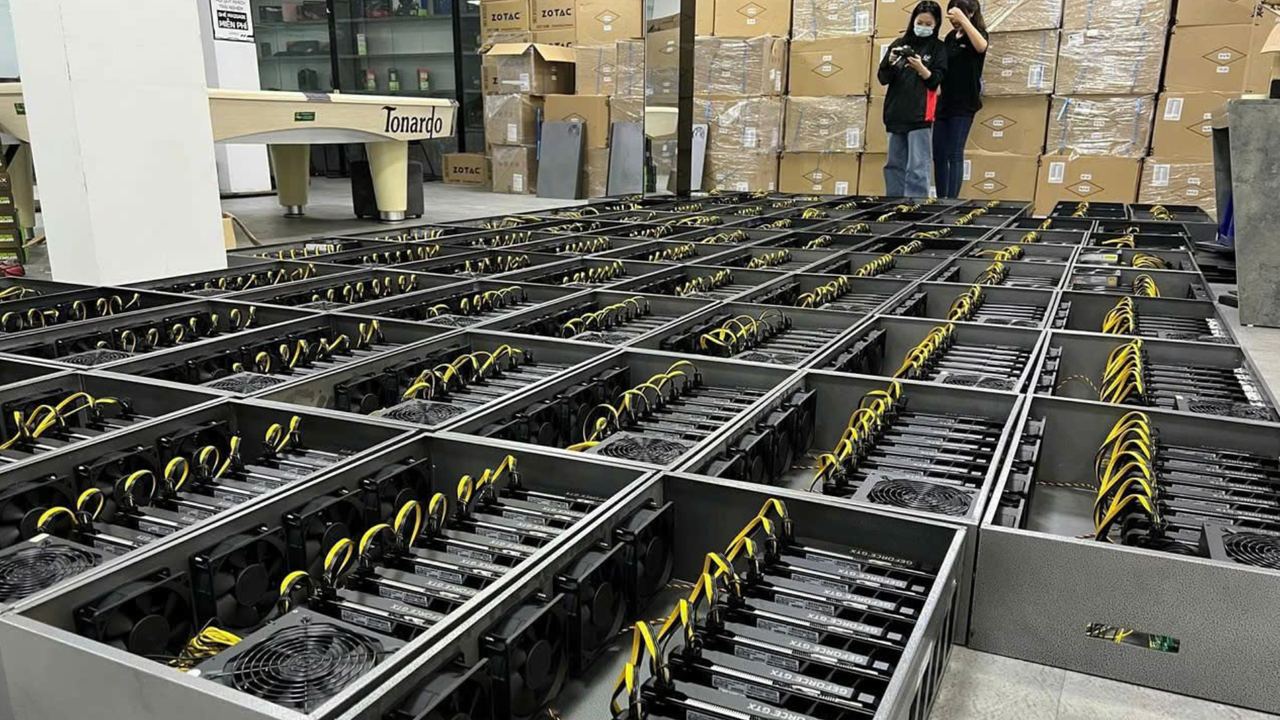
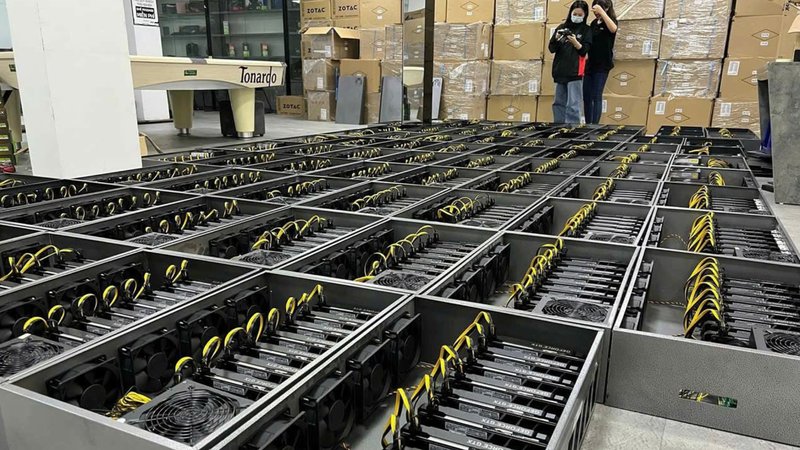
A recent study has brought to light an alleged cryptomining network of considerable scale, reportedly operating with an impressive number of graphics processing units. The network is said to comprise around 320,000 NVIDIA RTX 3090-class GPUs, powerful hardware highly sought after for intensive workloads, including those related to artificial intelligence. The primary accusation made by the study is that this infrastructure, seemingly linked to the entity "Pearl," is consuming an enormous amount of energy—estimated at 112 megawatts—to perform computations described as "zero useful AI computation."
This situation raises crucial questions about the allocation of computational resources and the energy impact of activities that, while leveraging high-performance hardware, do not directly contribute to the development or implementation of meaningful AI solutions. The distinction between generic computation and "useful AI" is fundamental, especially in an era where the demand for computational capacity for Large Language Models (LLMs) and other AI workloads is constantly growing.
Technical Details and Energy Consumption
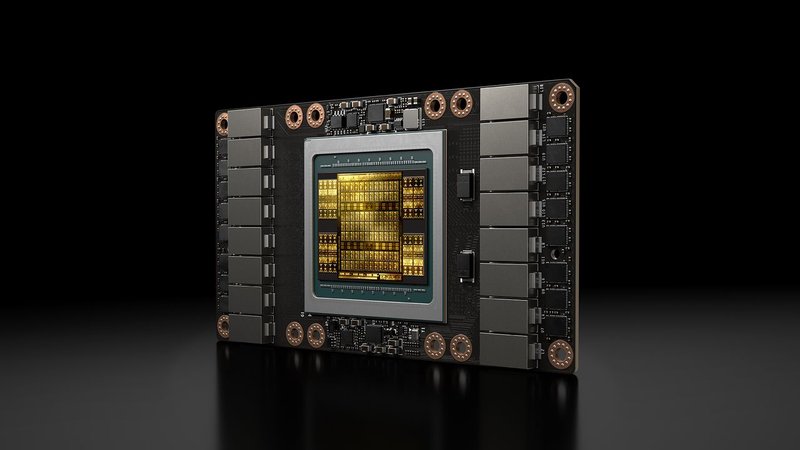
RTX 3090-class GPUs are known for their computational capabilities and, notably, for their 24GB of VRAM, a specification that makes them suitable for inference of medium-sized LLMs or fine-tuning smaller models. However, the study claims these cards are being used for "random matrix math." While matrix operations are the foundation of almost all AI workloads, the adjective "random" suggests that these computations are not part of a structured algorithm to train or perform inference on AI models with a specific purpose.
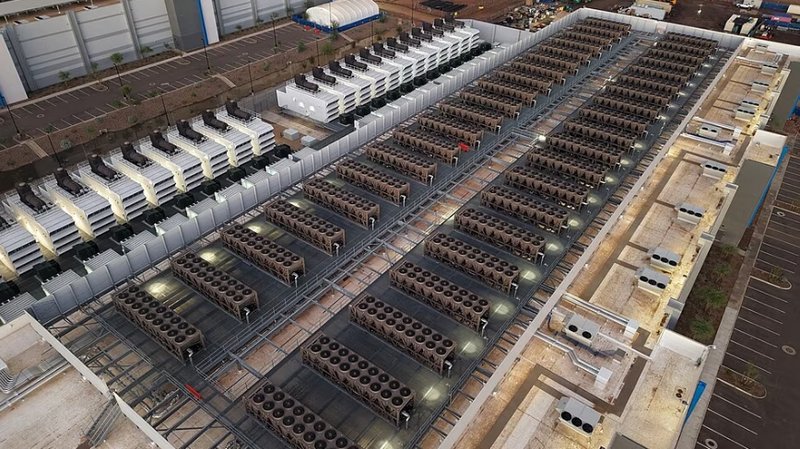
The consumption of 112 megawatts to power such a fleet of GPUs is a significant figure. To put this into context, it is an amount of energy comparable to the needs of a medium-sized city. This energy expenditure for activities not directly productive for useful AI highlights the urgent need to optimize hardware resource utilization and carefully evaluate the Total Cost of Ownership (TCO) of infrastructures, where energy costs represent an increasingly relevant component.
Market Impact and On-Premise Deployment Considerations
The activity of this cryptomining network has not only energy implications but also a tangible impact on the hardware market. The study claims that the demand generated by this GPU fleet has contributed to a 38% increase in GPU rental costs. This price hike is concerning news for companies and teams looking to implement AI solutions, particularly for those evaluating on-premise or self-hosted deployments.
For CTOs, DevOps leads, and infrastructure architects, hardware cost volatility is a critical planning factor. Such a significant increase in rental prices can drastically alter TCO projections and complicate the decision between cloud and on-premise solutions. Self-hosted infrastructures offer advantages in terms of data sovereignty, control, and potentially long-term cost stability, but they are also more exposed to hardware market fluctuations at the time of purchase or expansion. AI-RADAR provides analytical frameworks on /llm-onpremise to evaluate these trade-offs, offering tools for in-depth analysis of constraints and opportunities.
Outlook and Trade-offs in the AI Landscape
The story of this cryptomining network highlights a growing tension in the technological landscape: the competition for high-performance computational resources. While AI innovation increasingly demands more computing power, the use of such power for less productive or even speculative purposes can distort the market and slow down the adoption of useful AI technologies.
For organizations aiming to build and manage their local stacks for LLMs, hardware availability and cost remain primary challenges. The choice between an initial investment in bare metal infrastructure or renting cloud resources must consider not only technical specifications and expected performance but also resilience to market changes and the ability to ensure data sovereignty. Strategic planning that balances performance needs, budget constraints, and the necessity for control over the entire AI pipeline is key.






💬 Comments (0)
🔒 Log in or register to comment on articles.
No comments yet. Be the first to comment!