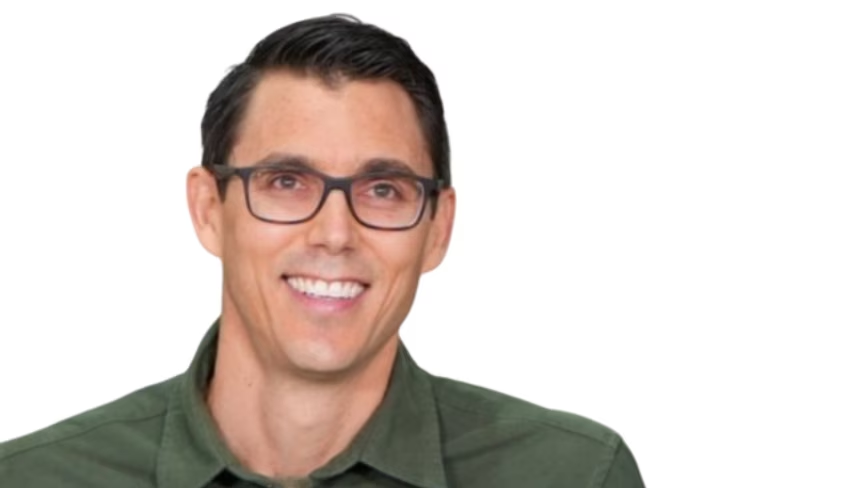
L'Impero di RJ Scaringe: Visione e Capitali
RJ Scaringe, figura di spicco nel panorama tecnicico e fondatore del produttore di veicoli elettrici Rivian, continua a catalizzare l'attenzione degli investitori con una serie di iniziative ambiziose. Con un dottorato in ingegneria meccanica conseguito al MIT, Scaringe ha dimostrato una notevole capacità di attrarre capitali, superando la soglia dei 12.3 miliardi di dollari raccolti per le sue tre startup. Questo impressionante flusso di finanziamenti non mostra segni di rallentamento, anzi, il ritmo di acquisizione di capitali sta accelerando, segnalando una forte fiducia del mercato nelle sue visioni.
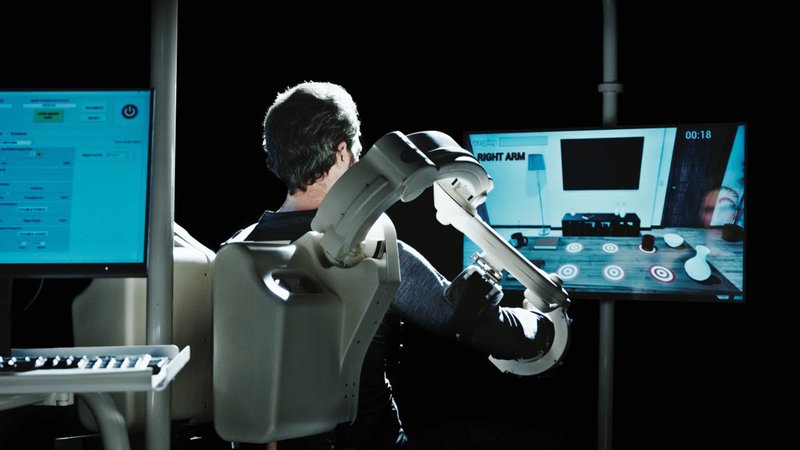
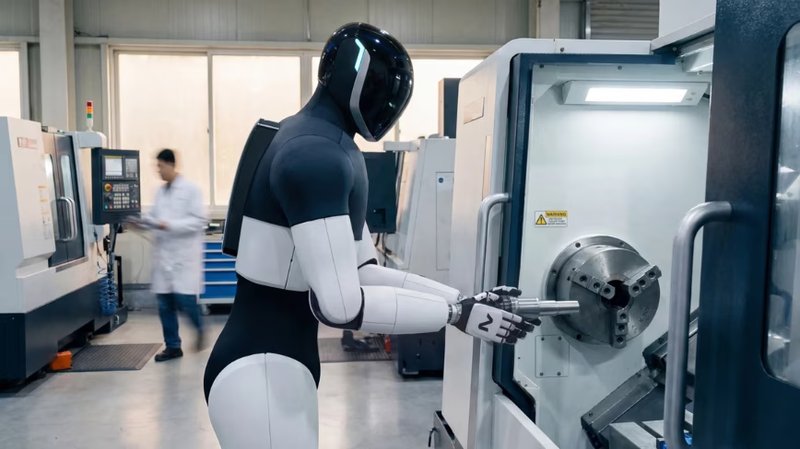
Attualmente, Scaringe è impegnato nella gestione simultanea di tre aziende distinte. Oltre a Rivian, che si è affermata nel settore dei veicoli elettrici, dirige un'azienda focalizzata sulla micromobilità autonoma e una startup dedicata alla robotica industriale basata sull'intelligenza artificiale. Questa diversificazione strategica copre settori ad alta intensità tecnicica e con un potenziale di crescita significativo, dalla trasformazione dei trasporti alla rivoluzione dell'automazione industriale.
La Robotica Industriale AI e le Sfide del Deployment
La startup di robotica industriale con AI rappresenta un fronte particolarmente interessante per chi osserva le dinamiche del deployment di Large Language Models (LLM) e sistemi di intelligenza artificiale. L'applicazione dell'AI in contesti industriali, dalla manifattura alla logistica, richiede spesso soluzioni robuste e a bassa latenza, che possono essere meglio soddisfatte tramite deployment on-premise o all'edge. Questo approccio garantisce non solo prestazioni ottimali, ma anche il rispetto di stringenti requisiti di sovranità dei dati e compliance, aspetti cruciali in ambienti produttivi sensibili.
Per implementare sistemi di robotica AI in ambienti industriali, le aziende devono considerare attentamente l'infrastruttura hardware necessaria. Questo include GPU con sufficiente VRAM per l'Inference di modelli complessi, capacità di elaborazione ad alta velocità e una rete locale affidabile. La scelta tra soluzioni self-hosted e cloud-based diventa fondamentale, con un'analisi approfondita del Total Cost of Ownership (TCO) che tenga conto non solo dei costi iniziali, ma anche della manutenzione, dell'energia e della sicurezza dei dati. Le architetture air-gapped, ad esempio, sono spesso preferite per garantire la massima sicurezza e isolamento in contesti critici.
Implicazioni per il Mercato e gli Investimenti Tech
L'enorme quantità di capitale attratta dalle iniziative di Scaringe sottolinea la fiducia degli investitori nei settori dell'elettrificazione, dell'automazione e dell'intelligenza artificiale. Questi ambiti sono visti come motori di crescita a lungo termine, capaci di ridefinire interi settori economici. La capacità di Scaringe di operare contemporaneamente in queste aree, mantenendo un elevato ritmo di innovazione e raccolta fondi, lo posiziona come un attore chiave nel panorama tech globale.
Per le aziende che operano o intendono investire in questi settori, la strategia di Scaringe offre spunti di riflessione. L'integrazione di tecnicie avanzate, come gli LLM e la robotica AI, richiede non solo visione, ma anche una solida base infrastrutturale. La valutazione dei trade-off tra deployment on-premise e soluzioni cloud, la gestione della complessità hardware e software, e l'attenzione alla sovranità dei dati sono decisioni strategiche che influenzano direttamente il successo e la sostenibilità di tali progetti. AI-RADAR, ad esempio, offre framework analitici su /llm-onpremise per supportare le aziende nella valutazione di questi complessi trade-off.
Prospettive Future e Sfide Tecnologiche
Il percorso di RJ Scaringe e delle sue startup evidenzia una chiara tendenza verso l'integrazione profonda dell'AI in applicazioni fisiche e industriali. Mentre i veicoli elettrici e la micromobilità autonoma continuano a evolversi, la robotica AI industriale promette di trasformare le fabbriche e le catene di approvvigionamento, introducendo livelli di efficienza e automazione senza precedenti. Tuttavia, la scalabilità di queste soluzioni dipende fortemente dalla capacità di gestire carichi di lavoro computazionali intensivi in modo efficiente e sicuro.
Le sfide future includono l'ottimizzazione dell'Inference su hardware specializzato, lo sviluppo di Framework robusti per il deployment e la gestione di modelli AI su larga scala, e la garanzia di una connettività affidabile in ambienti operativi diversi. La continua ricerca di soluzioni che bilancino performance, TCO e sicurezza dei dati sarà cruciale per il successo a lungo termine di queste iniziative. La visione di Scaringe, supportata da ingenti capitali, potrebbe fungere da catalizzatore per l'innovazione in questi settori critici.






💬 Commenti (0)
🔒 Accedi o registrati per commentare gli articoli.
Nessun commento ancora. Sii il primo a commentare!