
Wearable Robotics: un nuovo impulso per la robotica riabilitativa italiana
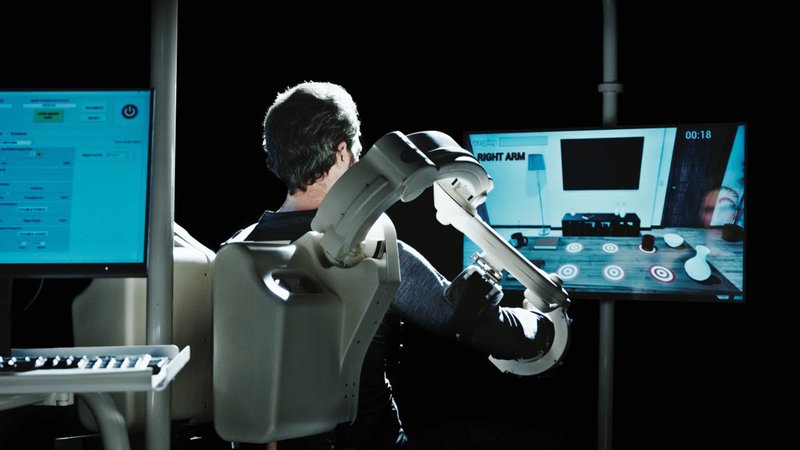
La scena tecnicica italiana vede un nuovo significativo investimento nel settore della robotica riabilitativa. Wearable Robotics, una startup con sede a Pisa e spin-off della prestigiosa Scuola Superiore Sant’Anna, ha annunciato la chiusura di un round di finanziamento di Serie A da 5 milioni di euro. Questo capitale è destinato a sostenere l'espansione del suo prodotto di punta, l'esoscheletro bilaterale per arti superiori ALEX RS.
Dal momento della sua fondazione nel 2014, Wearable Robotics ha già raggiunto una notevole diffusione, con il suo esoscheletro già in uso in 20 paesi. Il round di Serie A è stato guidato da CDP Venture Capital, con un contributo aggiuntivo da parte di SIMEST, che fornirà fondi specifici per l'espansione internazionale attraverso il Ministero degli Affari Esteri italiano. Questo supporto finanziario sottolinea l'importanza strategica della tecnicia sviluppata dall'azienda e il suo potenziale impatto globale nel campo della riabilitazione.
La tecnicia ALEX RS e le sue implicazioni per il deployment
L'esoscheletro ALEX RS rappresenta un'innovazione cruciale nel campo della riabilitazione, offrendo supporto bilaterale per gli arti superiori. Sebbene la fonte non specifichi i dettagli dell'architettura software o dell'eventuale integrazione con Large Language Models (LLM), è prassi comune che sistemi robotici complessi come gli esoscheletri incorporino algoritmi avanzati di intelligenza artificiale e machine learning per il controllo del movimento, l'adattamento personalizzato al paziente e l'analisi dei dati di performance.
Il deployment di dispositivi medici avanzati, soprattutto quelli che raccolgono dati sensibili sui pazienti, solleva questioni critiche relative alla sovranità dei dati e alla compliance normativa, come il GDPR. La necessità di elaborazione in tempo reale per garantire la sicurezza e l'efficacia del movimento spesso richiede capacità di elaborazione locale o edge computing, piuttosto che un affidamento esclusivo a infrastrutture cloud remote. Questo approccio on-premise o ibrido consente un maggiore controllo sui dati e una latenza ridotta, fattori essenziali in applicazioni mediche dove ogni millisecondo può fare la differenza.
Strategie di deployment e il Total Cost of Ownership (TCO)
L'espansione internazionale di un prodotto come ALEX RS implica decisioni strategiche complesse riguardo al deployment dell'infrastruttura di supporto. Per le organizzazioni che adottano tali tecnicie, la valutazione del Total Cost of Ownership (TCO) diventa fondamentale. Un deployment on-premise, che sia per l'elaborazione dei dati dei pazienti o per l'aggiornamento e la manutenzione del software dell'esoscheletro, può offrire vantaggi in termini di controllo, sicurezza e, a lungo termine, costi operativi, rispetto a soluzioni interamente basate su cloud, specialmente in contesti con requisiti di conformità stringenti o con connettività limitata.
La scelta tra un'architettura self-hosted e un modello basato su cloud per la gestione dei dati e degli aggiornamenti software di dispositivi medici come ALEX RS è un trade-off che bilancia costi iniziali (CapEx) e costi operativi (OpEx), oltre a considerazioni sulla privacy e la sicurezza. Per chi valuta deployment on-premise per carichi di lavoro AI/LLM o per la gestione di dispositivi robotici, AI-RADAR offre framework analitici su /llm-onpremise per valutare questi trade-off, fornendo strumenti per un'analisi approfondita delle specifiche hardware e dei requisiti infrastrutturali.
Prospettive future e il ruolo del capitale di rischio
Il finanziamento di 5 milioni di euro non solo permetterà a Wearable Robotics di ampliare la sua portata geografica, ma anche di investire ulteriormente in ricerca e sviluppo. L'espansione in nuovi mercati richiederà un'attenta pianificazione logistica e infrastrutturale, inclusa la gestione delle licenze software e l'implementazione di sistemi di supporto tecnico locali. Questo tipo di investimento da parte di CDP Venture Capital e SIMEST evidenzia la fiducia nel potenziale di crescita e nell'impatto sociale della robotica riabilitativa italiana.
L'esperienza di Wearable Robotics nel deployment del suo esoscheletro in 20 paesi dal 2014 dimostra la capacità dell'azienda di navigare le complessità dei mercati internazionali. Con il nuovo capitale, l'azienda è ben posizionata per consolidare la sua presenza e continuare a innovare, contribuendo a migliorare la qualità della vita di un numero crescente di pazienti in tutto il mondo attraverso soluzioni robotiche avanzate.




💬 Commenti (0)
🔒 Accedi o registrati per commentare gli articoli.
Nessun commento ancora. Sii il primo a commentare!