The bitter Amazon surprise
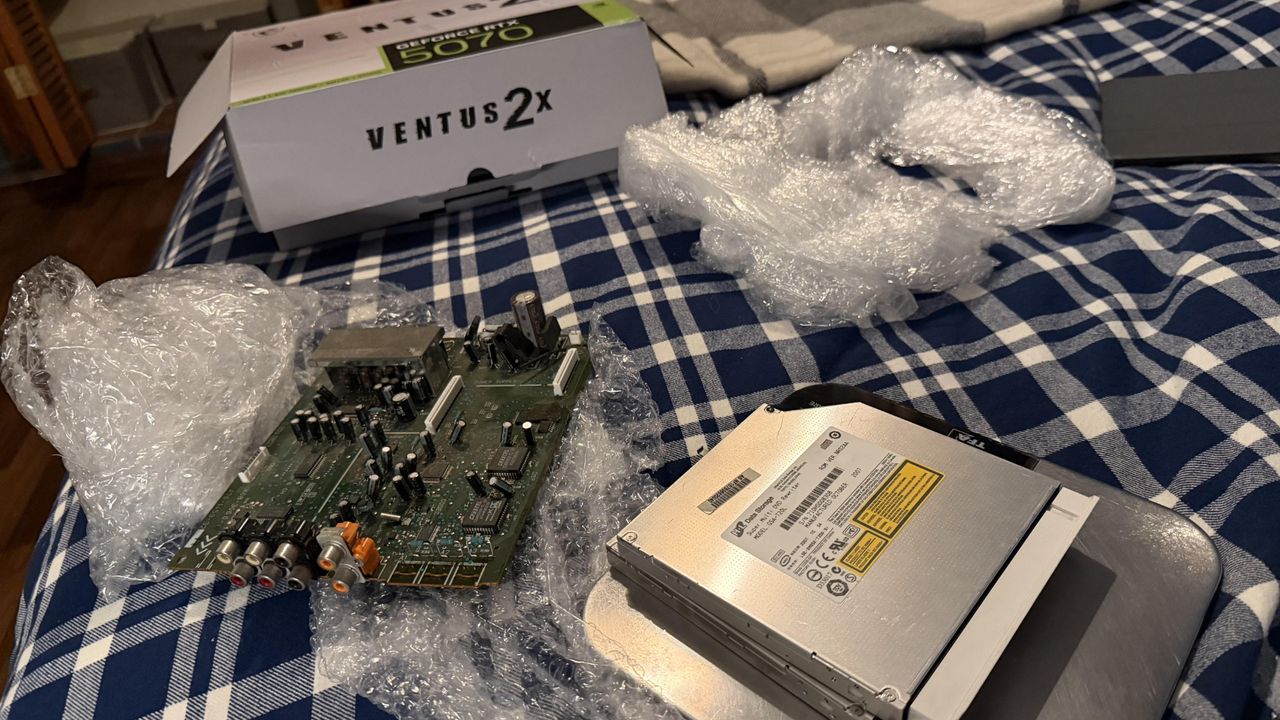
A PC enthusiast was getting ready to install a new RTX 5070, a gaming standout that is increasingly used for on‑premise LLM inference. The Amazon order seemed perfect: $700, fast delivery. But when the box arrived, the excitement vanished instantly. Inside, instead of the graphics card, there were a DVD rewriter and a broken logic board from an early‑2000s Kenwood AV receiver. A classic return scam: someone had bought the GPU, replaced it with e‑waste, and requested a refund before the item went back into the warehouse and was shipped to an unsuspecting customer.
Why the story shakes the AI world too
For those assembling machines destined for local LLM training or inference, every component is carefully planned. An RTX 5070, while its official specs are still unconfirmed, promises a solid price‑performance ratio for light to medium workloads. But if the hardware arrives faulty – or worse, is junk passed off as functional – the total cost of ownership (TCO) skyrockets with delays, downtime, and unexpected return costs. It’s not just a hobbyist’s headache: for startups or SMEs that aim for on‑premise deployments to keep their data under control, a single defective part can hold up an entire project.
Supply chain and technological sovereignty
The procurement channel is a critical node when choosing on‑premise. Large enterprises deal directly with manufacturers and authorized distributors, but smaller teams often turn to generalist marketplaces, attracted by competitive prices and immediate availability. At a time when GPUs are fought over due to AI hype, scam risks increase. For those who need guarantees about hardware provenance – perhaps to comply with GDPR requirements or to avoid contamination in the data pipeline – the fake Amazon package story teaches that trust must be verified with tracking tools and solid return policies.
Beyond bad luck: lessons for local infrastructure
Cases like this remind us that on‑premise is not just about software. Hardware reliability, RMA management, and the choice of trustworthy channels are as much part of the game as fine‑tuning or quantization. On AI‑RADAR we explore exactly these trade‑offs: investing in a self‑hosted cluster can provide control and privacy, but it exposes you to logistical weaknesses that are delegated to the provider in the cloud. The story of a DVD rewriter in place of a GPU is extreme, but symptomatic: when you go it alone, every link in the chain matters.








💬 Comments (0)
🔒 Log in or register to comment on articles.
No comments yet. Be the first to comment!