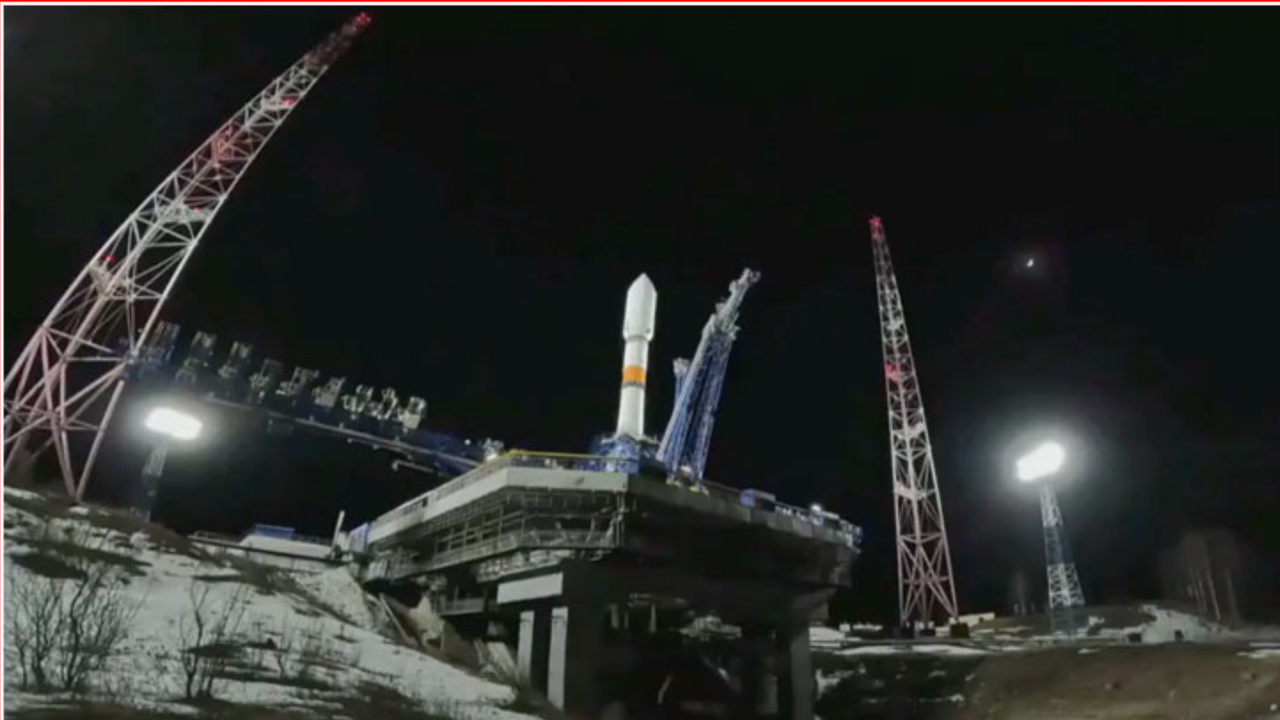
Un intoppo per la costellazione russa "Rassvet"
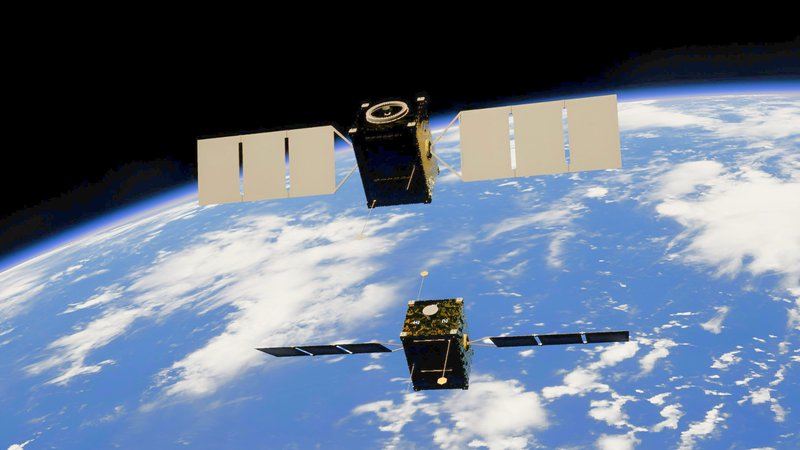
La Russia ha registrato un primo, significativo intoppo nella sua ambiziosa iniziativa spaziale con la costellazione di satelliti "Rassvet". Descritto come un progetto in stile "Starlink", mirato a stabilire una rete di comunicazione indipendente, il programma ha visto uno dei suoi primi satelliti, identificato come "Object 4", uscire dall'orbita terrestre dopo poche settimane dal suo rilascio. L'incidente solleva interrogativi sulla fase iniziale di deployment della flotta, sebbene la maggior parte dei satelliti, ovvero i restanti 15, continui a operare come previsto.
Questo evento sottolinea le complessità intrinseche e le sfide ingegneristiche legate alla messa in opera e alla gestione di infrastrutture spaziali su larga scala. Per nazioni e organizzazioni che puntano a costruire reti di comunicazione autonome, la resilienza e l'affidabilità dei singoli componenti sono fattori critici. La perdita di un'unità, seppur non catastrofica per l'intera costellazione, evidenzia la natura ad alto rischio di tali progetti.
Le sfide tecniche delle costellazioni satellitari
Le costellazioni satellitari in orbita terrestre bassa (LEO), come "Rassvet" o Starlink, rappresentano una frontiera tecnicica per la connettività globale. Questi sistemi si basano sul deployment di centinaia, se non migliaia, di piccoli satelliti che operano a quote relativamente basse, tipicamente tra i 300 e i 1.200 chilometri. L'obiettivo è ridurre la latenza di comunicazione rispetto ai satelliti geostazionari e aumentare il throughput, fornendo accesso a internet a banda larga anche in aree remote o scarsamente servite.
Tuttavia, la gestione di una flotta così vasta comporta sfide tecniche considerevoli. Ogni satellite richiede un posizionamento orbitale estremamente preciso, sistemi di propulsione per il mantenimento della posizione (station-keeping) e, alla fine del suo ciclo di vita, meccanismi affidabili per il deorbiting controllato, al fine di mitigare il problema dei detriti spaziali. La perdita di "Object 4" potrebbe essere attribuita a una serie di fattori, che vanno da malfunzionamenti hardware a problemi software o a errori nelle manovre orbitali iniziali.
Implicazioni per la sovranità dei dati e l'infrastruttura
Per attori statali e grandi imprese, la costruzione di infrastrutture di comunicazione proprietarie, come la costellazione "Rassvet", si inserisce in una più ampia strategia di sovranità dei dati e controllo sull'infrastruttura critica. Dipendere da reti controllate da entità esterne può comportare rischi in termini di sicurezza, privacy e continuità operativa, specialmente in contesti geopolitici complessi. Una rete satellitare nazionale offre un canale di comunicazione indipendente, potenzialmente air-gapped rispetto a infrastrutture terrestri vulnerabili, garantendo che i dati sensibili, inclusi quelli generati da carichi di lavoro AI, possano essere trasmessi e gestiti sotto il controllo diretto del proprietario.
L'analisi del TCO (Total Cost of Ownership) per progetti di questa portata è complessa. Oltre ai costi iniziali di ricerca, sviluppo e lancio (CapEx), i costi operativi (OpEx) per il monitoraggio, la manutenzione, la sostituzione dei satelliti e la gestione del traffico sono ingenti. La perdita di un satellite, anche se un singolo evento, si aggiunge a questi costi e richiede un'attenta valutazione dei trade-off tra investimento, resilienza e performance attese. Per chi valuta deployment on-premise o soluzioni ibride per i propri carichi di lavoro AI, la logica di controllo dell'infrastruttura sottostante è analoga, sebbene su scale e contesti diversi.
Il futuro delle reti satellitari e l'AI
L'incidente di "Object 4" non ferma la corsa globale verso la creazione di reti satellitari pervasive. Al contrario, serve da promemoria delle difficoltà e degli investimenti necessari per operare in un ambiente così ostile come lo spazio. La capacità di mantenere operative costellazioni di satelliti è fondamentale non solo per la connettività internet, ma anche per applicazioni strategiche come la navigazione, l'osservazione terrestre e, sempre più, per supportare l'infrastruttura necessaria all'AI.
La trasmissione di grandi volumi di dati per il training o l'inference di Large Language Models (LLM) in contesti distribuiti o remoti potrebbe beneficiare enormemente di reti satellitari a bassa latenza e alto throughput. La resilienza di queste reti, la loro capacità di operare in ambienti air-gapped e la garanzia di sovranità sui dati che trasportano, saranno fattori determinanti per la loro adozione in scenari enterprise e governativi. La sfida per i futuri deployment sarà bilanciare innovazione tecnicica, costi e affidabilità operativa.






💬 Commenti (0)
🔒 Accedi o registrati per commentare gli articoli.
Nessun commento ancora. Sii il primo a commentare!