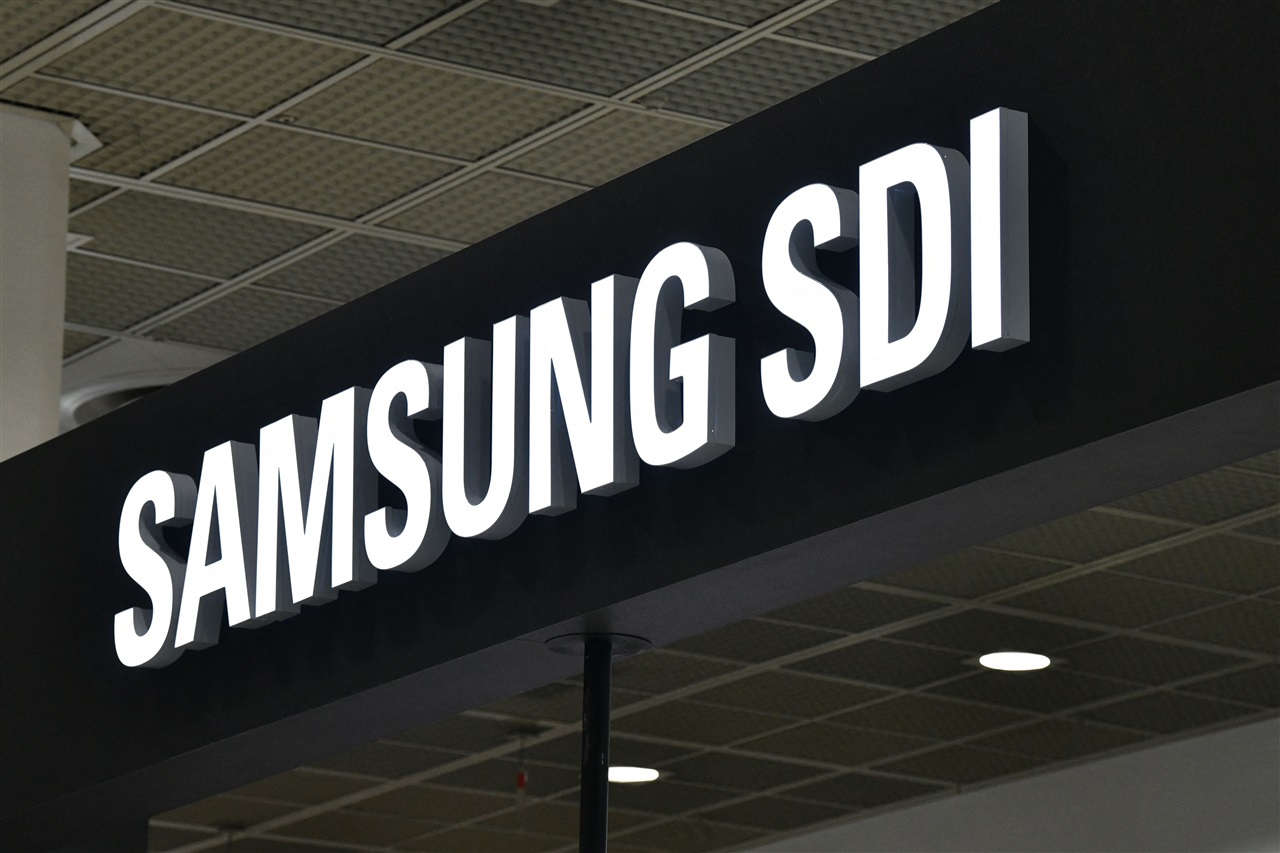
Samsung SDI targets US battery supply chain with $20M Forge Nano investment
Capital as a shield
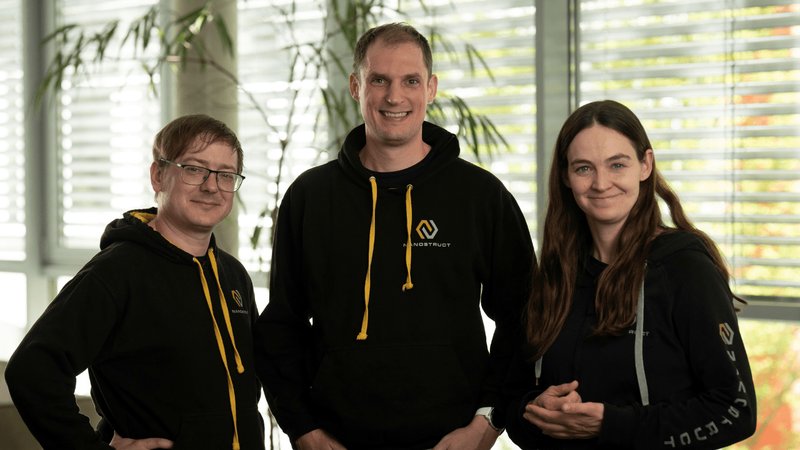
Samsung SDI has announced a $20 million investment in Forge Nano, a US-based company developing advanced battery materials using atomic layer deposition. The stated goal is to accelerate the construction of a local production chain in the United States, at a time when geopolitical tensions and logistical disruptions have exposed the fragility of global supply networks.
The amount, though modest compared to large-scale industry rounds, carries strategic weight: Forge Nano is an emerging player in the US battery ecosystem, and for Samsung SDI it represents an option to reduce reliance on non-American suppliers. The move is part of a broader race among Asian companies to establish a direct footprint on US soil, also boosted by the Inflation Reduction Act that incentivizes local production of energy technology.
Beyond electric cars: batteries for tech infrastructure
While public discourse links batteries almost exclusively to electric mobility, their relevance to IT and data center operations is equally critical. Uninterruptible power supplies (UPS), energy storage systems for data centers, and battery-powered edge devices all factor into the total cost of ownership of on-premise infrastructure.
For those running AI workloads locally, power reliability is a non-negotiable requirement. An outage can mean hours of lost inference, unsynchronized data, or, in extreme cases, damage to models during distributed training. A robust and geographically proximate battery supply chain reduces the risk of shortages that, as the semiconductor crisis demonstrated, can cascade through every layer of IT.
The industrial sovereignty knot
Samsung SDI's investment is not an isolated case but a symptom of a wider shift toward technological sovereignty. The United States is pushing to repatriate the production of critical components, from batteries to advanced chips. For system integrators and hyperscalers building infrastructure in the country, physical proximity to suppliers has become a metric as important as price.
In the AI space, data sovereignty is often discussed in terms of regulatory residency, but hardware sovereignty is a frequently overlooked prerequisite. If essential components are produced in politically unstable regions or subject to trade restrictions, the entire on-premise stack is at risk. The battery example, seemingly peripheral, shows how supply chain resilience must be built at deep levels of the value chain.
A look ahead
For organizations evaluating on-premise deployment of LLMs, the message is clear: hardware choices depend not only on GPUs and VRAM but also on the ecosystem of suppliers that ensure operational continuity. Tracking moves by players like Samsung SDI provides a lens on the vulnerabilities and opportunities of channels that, at first glance, seem light-years away from software.
AI-RADAR will continue to monitor critical supply chain developments for local infrastructure, because the total cost of ownership of an on-premise cluster is also measured in supply security.







💬 Comments (0)
🔒 Log in or register to comment on articles.
No comments yet. Be the first to comment!