
SAP rafforza la sua strategia AI con l'acquisizione di Prior Labs
SAP ha annunciato l'acquisizione di Prior Labs, una startup con sede a Friburgo, nota per il suo lavoro pionieristico nel campo dei modelli di fondazione tabulari (TabPFN). Questa operazione strategica è volta a consolidare la posizione di SAP nell'intelligenza artificiale, con l'obiettivo di creare un laboratorio AI europeo di frontiera. L'investimento previsto da SAP per questa iniziativa supera il miliardo di euro nell'arco di quattro anni, sebbene i termini specifici dell'acquisizione non siano stati resi pubblici.
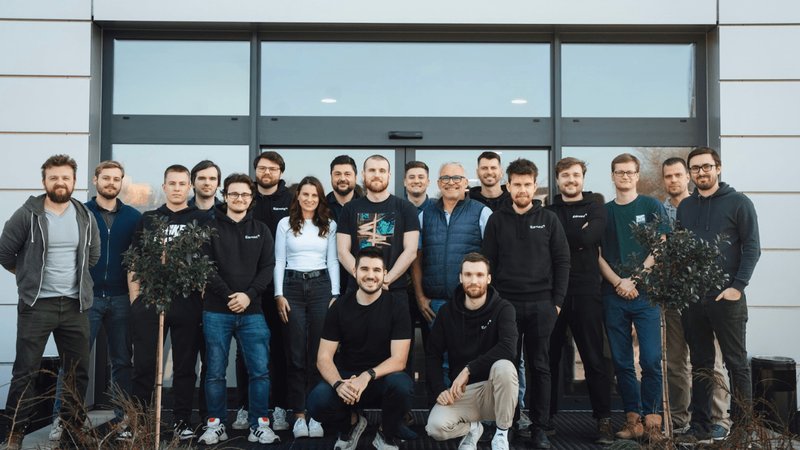
Prior Labs, fondata all'inizio del 2024 da Frank Hutter, Noah Hollmann e Sauraj Gambhir, aveva già attirato l'attenzione del settore AI, raccogliendo un pre-seed da 9 milioni di euro diciotto mesi prima dell'acquisizione. La mossa di SAP evidenzia una chiara intenzione strategica di integrare capacità AI avanzate direttamente nel proprio ecosistema, concentrandosi su un'area cruciale per le esigenze aziendali.
Il ruolo dei modelli di fondazione tabulari nel contesto enterprise
I modelli di fondazione tabulari rappresentano un'evoluzione significativa nell'applicazione dell'intelligenza artificiale ai dati strutturati, tipici degli ambienti aziendali. A differenza dei Large Language Models (LLM) che eccellono nell'elaborazione di testo e immagini, i modelli tabulari sono ottimizzati per analizzare e generare insight da tabelle di dati, come quelle presenti nei sistemi ERP (Enterprise Resource Planning), CRM (Customer Relationship Management) e nelle basi di dati finanziarie.
Per aziende come SAP, che gestiscono enormi volumi di dati strutturati per i loro clienti globali, l'integrazione di capacità AI native per questo tipo di dati è fondamentale. Sviluppare internamente queste competenze permette un controllo più granulare sui processi di elaborazione, garantendo maggiore precisione e affidabilità nelle applicazioni aziendali critiche. Questo approccio riduce la dipendenza da soluzioni esterne e consente un'ottimizzazione specifica per i carichi di lavoro enterprise.
Implicazioni per il deployment e la sovranità dei dati
L'investimento di SAP in un laboratorio AI europeo e nello sviluppo di modelli di fondazione tabulari in-house ha significative implicazioni per le strategie di deployment e la sovranità dei dati. Creare capacità AI internamente, piuttosto che affidarsi esclusivamente a servizi cloud di terze parti, offre alle aziende un maggiore controllo sull'intera pipeline dell'intelligenza artificiale, dalla fase di training all'Inference.
Questo approccio può essere particolarmente attraente per organizzazioni che operano in settori regolamentati o che gestiscono dati sensibili, dove la sovranità dei dati e la conformità normativa (come il GDPR) sono priorità assolute. La possibilità di mantenere i carichi di lavoro AI su infrastrutture self-hosted o in ambienti air-gapped può ridurre i rischi legati alla privacy e alla sicurezza. Per chi valuta deployment on-premise per carichi di lavoro LLM e AI, AI-RADAR offre framework analitici su /llm-onpremise per comprendere i trade-off tra controllo, TCO e performance, evidenziando come le decisioni architetturali influenzino direttamente la capacità di mantenere la sovranità sui dati.
Prospettive future e l'impatto sul panorama AI europeo
L'impegno finanziario di oltre un miliardo di euro da parte di SAP sottolinea la serietà dell'azienda nel voler giocare un ruolo di primo piano nello sviluppo dell'AI in Europa. L'istituzione di un laboratorio di frontiera a Friburgo non solo rafforza l'ecosistema tecnicico regionale, ma contribuisce anche a posizionare l'Europa come un hub per l'innovazione nell'intelligenza artificiale, con un focus specifico sulle esigenze del mercato enterprise.
Questa acquisizione e l'ingente investimento riflettono una tendenza più ampia nel settore tecnicico, dove le grandi aziende cercano di internalizzare e specializzare le proprie capacità AI per mantenere un vantaggio competitivo. L'attenzione sui modelli tabulari suggerisce che SAP intende capitalizzare il valore intrinseco dei dati strutturati, sbloccando nuove opportunità per l'automazione, l'analisi predittiva e il supporto decisionale all'interno delle organizzazioni globali.








💬 Commenti (0)
🔒 Accedi o registrati per commentare gli articoli.
Nessun commento ancora. Sii il primo a commentare!