La Psilocibina e il Comportamento Animale: Un Nuovo Orizzonte
La comunità scientifica ha a lungo esplorato gli effetti della psilocibina su esseri umani e diversi mammiferi, ma questa nuova indagine si distingue per l'utilizzo di modelli ittici. I pesci offrono un punto di osservazione unico per comprendere l'impatto di questo composto, grazie alla vasta gamma di strutture sociali e livelli di attività che presentano. Lo studio, in particolare, segna un traguardo significativo: è la prima volta che viene dimostrata una riduzione dell'aggressività indotta dalla psilocibina in qualsiasi modello animale.
Questa scoperta apre scenari promettenti per future ricerche volte a identificare i meccanismi neurali sottostanti a tali modificazioni comportamentali. Comprendere come i composti psichedelici modulano il cervello e il comportamento in organismi più semplici può fornire intuizioni fondamentali che, sebbene non direttamente legate all'intelligenza artificiale, contribuiscono al corpus di conoscenze sulla neurobiologia.
Il Rivulus di Mangrovie: Un Modello Ideale per la Ricerca
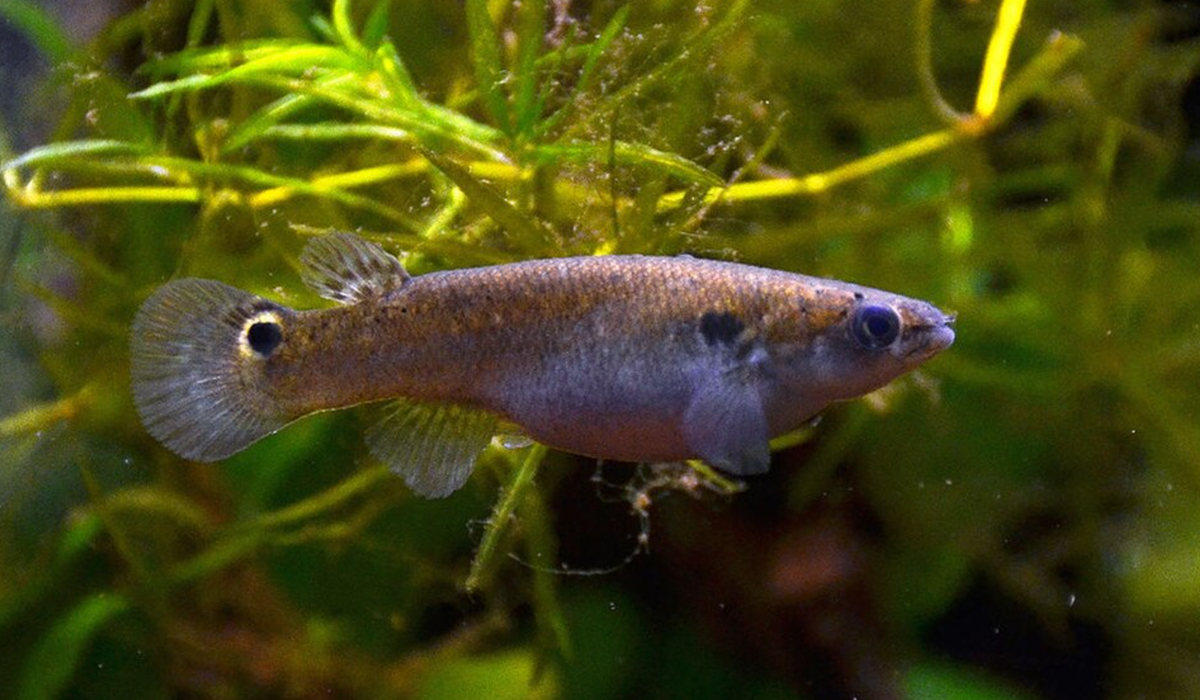
La scelta del rivulus di mangrovie (Kryptolebias marmoratus) come soggetto di studio non è casuale. Questa specie è particolarmente interessante per la sua elevata aggressività e per le sue straordinarie capacità di adattamento, tra cui la sorprendente abilità di sopravvivere fuori dall'acqua per mesi. Un'altra caratteristica cruciale è la sua natura ermafrodita, che gli consente di riprodursi principalmente tramite auto-fertilizzazione. Questo processo produce cloni geneticamente identici, eliminando di fatto la variazione genetica come fattore confondente negli esperimenti.
L'omogeneità genetica dei soggetti sperimentali è un vantaggio metodologico notevole, poiché permette ai ricercatori di attribuire con maggiore certezza le modifiche comportamentali osservate all'azione della psilocibina, piuttosto che a differenze individuali preesistenti. Questo livello di controllo sperimentale è fondamentale per isolare le variabili e ottenere risultati robusti e replicabili.
Contesto e Implicazioni Future
Questa ricerca si colloca nel campo della neurobiologia e del comportamento animale, espandendo la nostra comprensione di come i composti psicoattivi influenzano il cervello. La capacità di modulare comportamenti complessi come l'aggressività in un modello controllato offre una base solida per studi più approfonditi sui circuiti neurali coinvolti. Tali scoperte possono avere risonanze non solo in ambito farmacologico e terapeutico, ma anche nel più ampio contesto della comprensione dei sistemi complessi.
La metodologia impiegata, che sfrutta la genetica controllata del rivulus di mangrovie, rappresenta un esempio di rigore scientifico che mira a isolare le cause e gli effetti. Questo approccio è cruciale per costruire una conoscenza affidabile, un principio che trova paralleli anche nello sviluppo e nel testing di sistemi tecnicici avanzati, dove la riproducibilità e la comprensione dei fattori influenzanti sono essenziali.
Prospettive della Ricerca e Risonanze per l'AI
Sebbene questa ricerca sia di natura biologica, le sue implicazioni possono estendersi in modo indiretto anche ad ambiti tecnicici avanzati, come lo sviluppo di Large Language Models (LLM) e sistemi di intelligenza artificiale. La comprensione approfondita dei meccanismi neurali che regolano l'aggressività e altri comportamenti complessi negli organismi viventi può, a lungo termine, ispirare nuove architetture o algoritmi per l'AI. Ad esempio, i principi di modulazione neurale potrebbero informare lo sviluppo di modelli più robusti o eticamente allineati, capaci di gestire interazioni complesse o di mitigare comportamenti indesiderati.
Per i CTO e gli architetti di infrastrutture che valutano il deployment di soluzioni AI, anche la ricerca fondamentale come questa sottolinea l'importanza di un approccio olistico alla comprensione dell'intelligenza. Sebbene non vi siano collegamenti diretti con l'hardware per l'inference o il training on-premise, la scienza di base è il terreno fertile da cui emergono le innovazioni che un giorno potrebbero richiedere nuove capacità di calcolo o strategie di deployment. La capacità di modellare e replicare comportamenti complessi, siano essi biologici o artificiali, rimane una sfida centrale per l'avanzamento tecnicico.






💬 Commenti (0)
🔒 Accedi o registrati per commentare gli articoli.
Nessun commento ancora. Sii il primo a commentare!