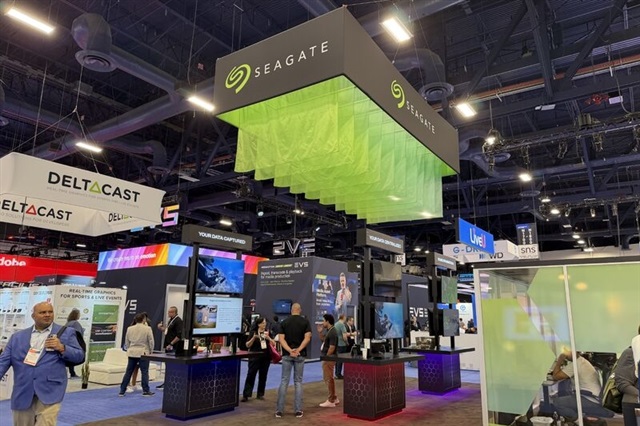
Seagate supera le attese: la domanda di cloud e AI spinge la crescita
Introduzione
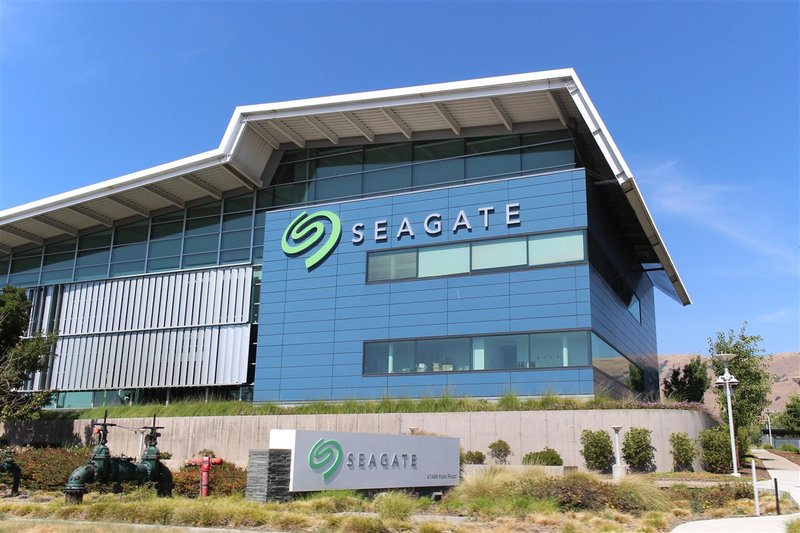
Seagate Technology, uno dei principali fornitori globali di soluzioni di storage dati, ha recentemente annunciato risultati finanziari che hanno superato le aspettative degli analisti, accompagnati da un innalzamento delle previsioni per il prossimo futuro. Questa performance positiva è attribuita principalmente alla robusta domanda proveniente dai settori del cloud computing e, in maniera sempre più significativa, dall'espansione dei carichi di lavoro legati all'intelligenza artificiale. Il report sottolinea come l'infrastruttura di storage rimanga un pilastro fondamentale nell'attuale panorama tecnicico, specialmente con l'accelerazione dell'adozione dell'AI a livello enterprise.
Il Ruolo Cruciale dello Storage nell'Era dell'AI
L'avanzamento dell'intelligenza artificiale, in particolare con la diffusione dei Large Language Models (LLM), ha generato un'esigenza senza precedenti di capacità di storage ad alte prestazioni. I processi di training di questi modelli richiedono l'accesso e la gestione di dataset massivi, spesso nell'ordine dei petabyte, mentre le fasi di Inference generano e consumano dati a ritmi elevatissimi. Questo scenario impone requisiti stringenti non solo in termini di capacità grezza, ma anche di throughput, latenza e affidabilità dei sistemi di storage. Le aziende che sviluppano e implementano soluzioni AI devono valutare attentamente le architetture di storage, scegliendo tra soluzioni basate su blocchi, file o oggetti, a seconda delle specifiche esigenze delle loro pipeline di dati.
Implicazioni per i Deployment On-Premise e la Sovranità dei Dati
La crescente domanda di storage per l'AI ha profonde implicazioni per le decisioni di deployment, in particolare per le organizzazioni che considerano alternative self-hosted o on-premise rispetto al cloud pubblico. Per settori come la finanza, la sanità o la pubblica amministrazione, la sovranità dei dati e la compliance normativa (come il GDPR) rendono spesso i deployment air-gapped o on-premise una scelta obbligata. In questi contesti, la gestione dello storage diventa un fattore critico per il Total Cost of Ownership (TCO) complessivo dell'infrastruttura AI. Sebbene l'investimento iniziale (CapEx) per lo storage on-premise possa essere significativo, offre un controllo maggiore sui dati, sulla sicurezza e può portare a costi operativi (OpEx) più prevedibili nel lungo termine, evitando le tariffe di egress e i costi variabili tipici degli ambienti cloud.
Prospettive Future e Trade-off Strategici
La performance di Seagate evidenzia una tendenza di mercato chiara: lo storage è e rimarrà un componente essenziale per l'infrastruttura AI. Le organizzazioni si trovano di fronte a trade-off complessi quando devono scegliere le proprie strategie di deployment per i carichi di lavoro LLM. Da un lato, la flessibilità e la scalabilità del cloud offrono vantaggi in termini di agilità; dall'altro, il controllo, la sicurezza e la prevedibilità dei costi offerti dalle soluzioni on-premise sono irrinunciabili per molti. La continua innovazione nel settore dello storage, con l'introduzione di nuove tecnicie e architetture, sarà fondamentale per supportare l'evoluzione dell'AI. Per chi valuta deployment on-premise, AI-RADAR offre framework analitici su /llm-onpremise per valutare questi trade-off, fornendo una guida neutrale per decisioni informate.





💬 Commenti (0)
🔒 Accedi o registrati per commentare gli articoli.
Nessun commento ancora. Sii il primo a commentare!