L'Evoluzione della Visibilità del Brand nell'Era AI
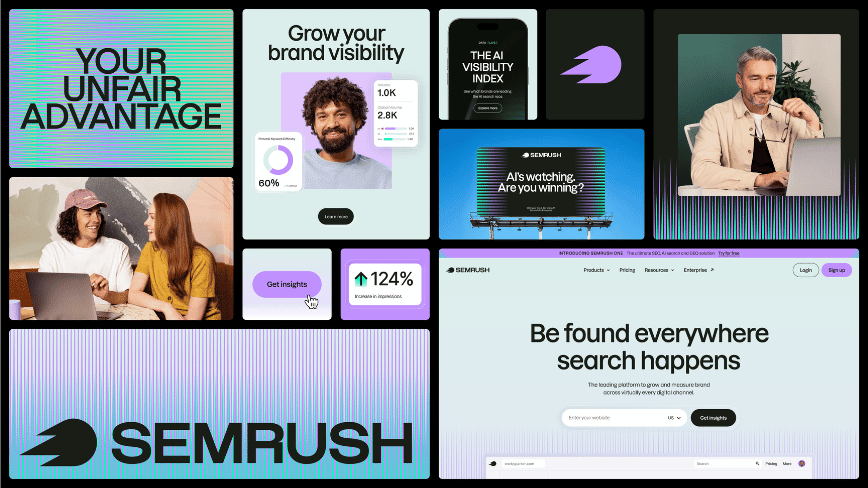
Il panorama della ricerca online sta subendo una trasformazione radicale, spinto dall'integrazione sempre più profonda dell'intelligenza artificiale. In questo contesto dinamico, Semrush, azienda leader nell'analisi del marketing digitale, ha risposto presentando un innovativo Framework per la Visibilità del Brand. L'annuncio, avvenuto durante l'Adobe Summit, segna un punto di svolta per le strategie di marketing e SEO tradizionali, che si trovano ora a dover affrontare nuove sfide e opportunità.
Questo Framework introduce una disciplina inedita, denominata “Agentic Search Optimisation” (ASO), pensata per monitorare e ottimizzare la presenza di un marchio non solo nei risultati di ricerca convenzionali, ma anche e soprattutto nelle risposte generate dagli LLM e attraverso l'interazione con agenti AI autonomi. La mossa di Semrush riflette una crescente consapevolezza del settore riguardo all'impatto degli LLM sul modo in cui gli utenti scoprono e interagiscono con i contenuti online.
Il Framework e l'Ottimizzazione della Ricerca Agentica
Il cuore del nuovo Framework di Semrush risiede nella sua capacità di misurare la visibilità del brand in un ecosistema di ricerca frammentato e sempre più guidato dall'AI. L'Agentic Search Optimisation (ASO) si propone di tracciare la presenza di un marchio attraverso tre canali principali: le risposte generate dall'intelligenza artificiale, i risultati della ricerca tradizionale e le interazioni con gli agenti AI autonomi. Per sviluppare questo approccio, Semrush ha analizzato un vasto corpus di dati, attingendo a ben 213 milioni di prompt per LLM.
Questa analisi approfondita consente alle aziende di comprendere come i loro contenuti e la loro identità di brand vengano percepiti e presentati dagli algoritmi di AI. La sfida non è più solo posizionarsi in cima ai risultati di ricerca, ma assicurarsi che il proprio marchio sia rappresentato accuratamente e in modo prominente nelle sintesi e nelle risposte che gli LLM forniscono direttamente agli utenti. Questo richiede una comprensione più profonda del funzionamento degli LLM e di come essi elaborano e riassumono le informazioni.
Implicazioni per le Aziende e il Contesto On-Premise
L'introduzione di questo Framework non è casuale, ma risponde a un'esigenza pressante del mercato. I dati mostrano un calo significativo dei click-through rate (CTR) organici: si è registrata una diminuzione del 61% nelle query che presentano gli "AI Overviews" nei risultati di ricerca. Questo dato evidenzia come le risposte generate dall'AI stiano intercettando una parte consistente del traffico che prima si dirigeva verso i siti web tramite i link organici. Per le aziende, ciò significa che le strategie SEO tradizionali potrebbero non essere più sufficienti per mantenere la visibilità e l'engagement.
In questo scenario, la capacità di controllare e analizzare i dati diventa cruciale. Per le organizzazioni che valutano deployment on-premise, la comprensione di come gli LLM interpretano e presentano le informazioni del brand potrebbe spingere verso l'adozione di modelli AI self-hosted. Questo permetterebbe non solo di condurre analisi interne più approfondite sulla propria "Agentic Search Optimisation", ma anche di mantenere la sovranità dei dati e garantire la compliance, aspetti fondamentali per settori regolamentati. La gestione locale degli LLM e degli stack AI offre un controllo granulare sui processi di inference e training, permettendo alle aziende di sperimentare e ottimizzare le proprie strategie di visibilità in un ambiente sicuro e proprietario. Per chi valuta deployment on-premise, AI-RADAR offre framework analitici su /llm-onpremise per valutare i trade-off tra costi, controllo e performance.
Prospettive Future e la Sfida della Misurazione
Il lancio del Framework per la Visibilità del Brand da parte di Semrush segna l'inizio di una nuova era per il marketing digitale. La disciplina dell'Agentic Search Optimisation diventerà probabilmente un pilastro per le aziende che desiderano prosperare in un ambiente dominato dall'AI. La sfida futura consisterà nel perfezionare gli strumenti di misurazione e nell'adattare continuamente le strategie, man mano che gli LLM e gli agenti AI evolveranno.
Le aziende dovranno investire nella comprensione delle dinamiche degli LLM, non solo come consumatori di informazioni, ma anche come generatori di risposte che influenzano direttamente la percezione del brand. Questo implica un'attenzione crescente alla qualità e alla pertinenza dei dati di training, nonché alla capacità di influenzare il modo in cui i modelli AI interpretano e sintetizzano le informazioni. La capacità di adattarsi rapidamente a questi cambiamenti sarà un fattore determinante per il successo nel panorama competitivo della ricerca AI.









💬 Commenti (0)
🔒 Accedi o registrati per commentare gli articoli.
Nessun commento ancora. Sii il primo a commentare!