Apple's AI Momentum and the Memory Market
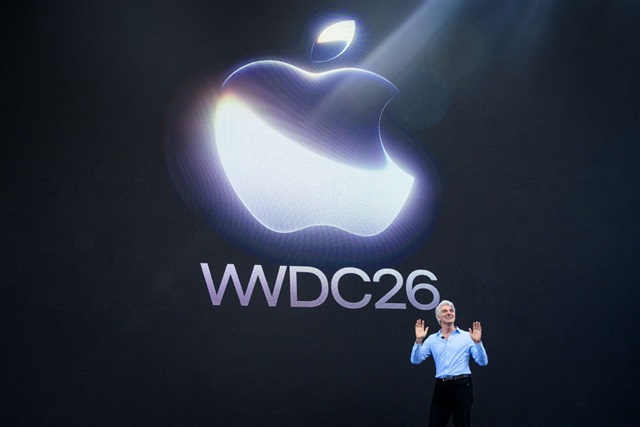
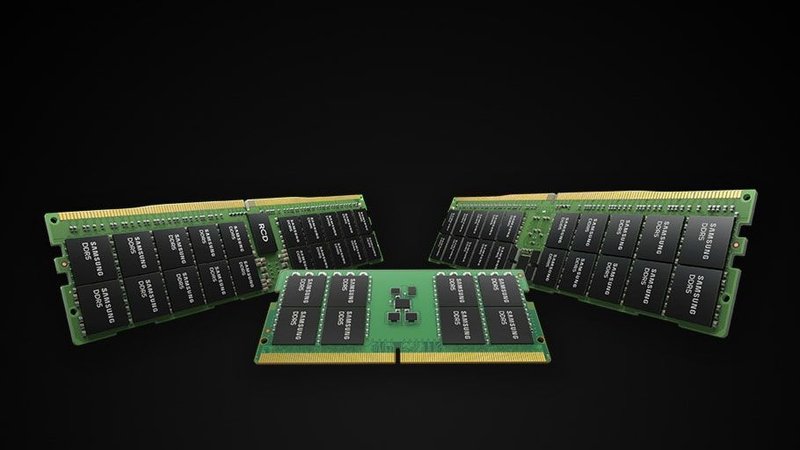
Apple's commitment to strengthening the artificial intelligence capabilities of its voice assistant, Siri, is having a tangible impact on the global semiconductor market. This technological push translates into a growing demand for 12GB Dynamic Random Access Memory (DRAM) modules, an increasingly common requirement for managing complex AI workloads. This market dynamic directly benefits major memory manufacturers, including giants like Samsung and SK Hynix, who are meeting a rapidly expanding need.
The evolution of AI functionalities, particularly those related to Large Language Models (LLM) and other generative models, demands increasingly sophisticated hardware resources. Memory, in this context, plays a crucial role, not only in terms of capacity but also speed and bandwidth. The specific request for 12GB DRAM for a mass-market application like Siri highlights how even AI solutions at the edge computing level or integrated into devices are pushing the limits of available hardware.
The Role of Memory in AI Deployments: Beyond Capacity
While not the highest capacity available for high-end GPUs dedicated to LLM training, 12GB of DRAM represents a significant sweet spot for inference and for running AI models on less demanding devices or servers. For CTOs and infrastructure architects evaluating on-premise AI deployments, the amount of VRAM (Video RAM) or DRAM dedicated to AI processors is a critical factor. It directly influences the size of models that can be loaded, the length of manageable context windows, and overall throughput.
The choice of memory modules with precise specifications, such as the 12GB mentioned, is often dictated by a careful analysis of trade-offs between cost, power consumption, and performance. Larger or more complex AI models require more memory to avoid disk swapping, which would drastically slow down inference. The availability of DRAM with adequate capacities is therefore a fundamental constraint for those designing self-hosted AI solutions, where every hardware component must be carefully selected to optimize the Total Cost of Ownership (TCO) and ensure data sovereignty.
Implications for On-Premise Infrastructure and the Supply Chain
The growing demand for specific components, such as 12GB DRAM, has direct repercussions on the global supply chain and corporate infrastructure planning. For those intending to deploy LLMs or other AI workloads in on-premise or air-gapped environments, the availability and cost of hardware with adequate memory specifications become critical factors. Unlike cloud services, where resource allocation is flexible, a self-hosted deployment requires a significant initial investment (CapEx) and proactive management of hardware procurement.
This market dynamic underscores the importance of a robust procurement strategy and the ability to anticipate technological trends. Companies must consider not only immediate technical specifications but also supply chain stability and component price fluctuations. The choice between different memory configurations, for example, can influence the need for optimization techniques like Quantization, which reduce memory requirements at the expense of a potential slight decrease in model precision.
Future Outlook: Balancing Demand and Supply
The trend highlighted by Apple's demand for 12GB DRAM is indicative of a clear direction: AI will continue to push hardware requirements, particularly for memory. This scenario presents challenges and opportunities for semiconductor manufacturers, who must balance investments in research and development with production capacity to meet constantly growing demand. For companies operating in the AI sector, understanding these market dynamics is essential for making informed deployment decisions.
An organization's ability to manage its AI workloads, both for inference and fine-tuning, will increasingly depend on the availability of high-performance hardware and the ability to effectively integrate it into its infrastructure. Competition for high-capacity memory is set to intensify, making long-term planning and TCO evaluation indispensable for anyone wishing to maintain control and sovereignty over their data and AI models through self-hosted.







💬 Comments (0)
🔒 Log in or register to comment on articles.
No comments yet. Be the first to comment!