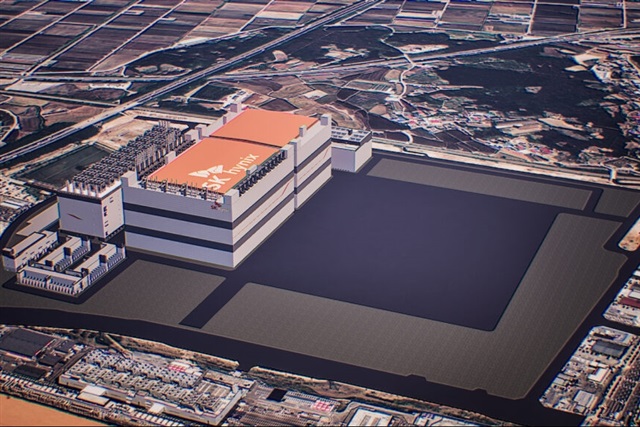
SK Hynix Accelerates Yongin Fab Plans
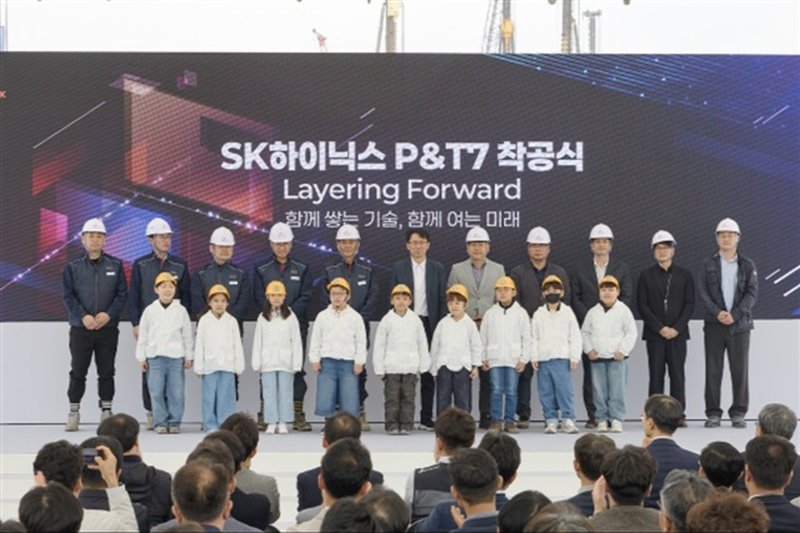
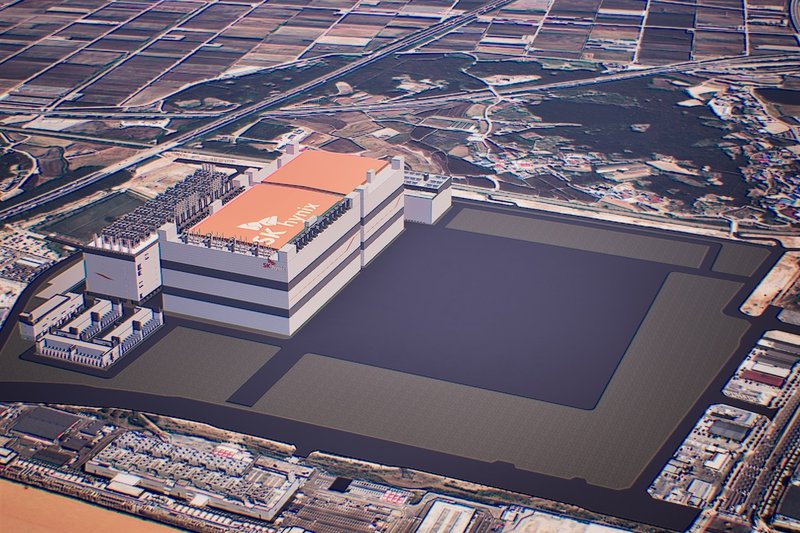
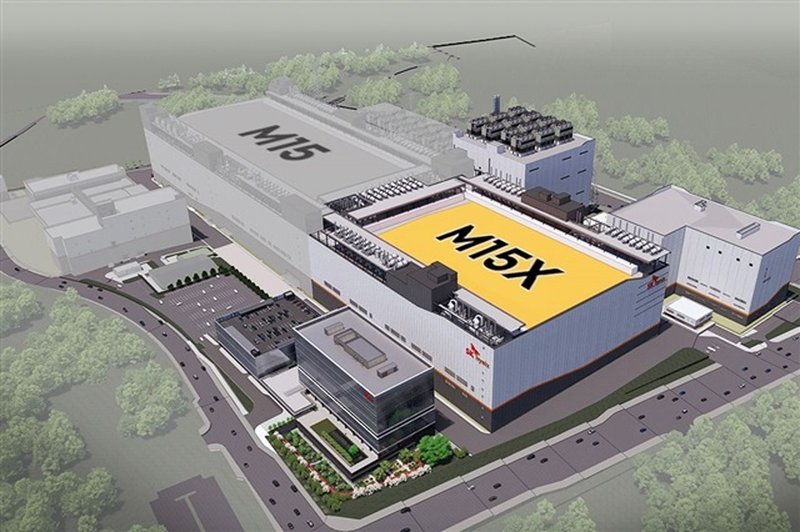
SK Hynix, a leading global semiconductor manufacturer, has announced a significant acceleration for its Yongin fab, bringing its opening forward by a remarkable twelve years. This decision is a direct response to the surging and pressing demand for High Bandwidth Memory (HBM), a critical component for advancing artificial intelligence workloads.
This strategic move underscores the global race to meet the needs for high-speed memory, which is indispensable for powering the next generation of AI systems and Large Language Models (LLMs). The semiconductor industry faces unprecedented pressure to expand production capacity, and SK Hynix's accelerated plans are a clear indicator of this trend.
HBM: The Beating Heart of High-Performance AI
High Bandwidth Memory (HBM) represents an advanced memory technology characterized by an architecture that stacks multiple memory dies on top of each other, connecting them via interposers. This design allows for significantly higher memory bandwidth compared to traditional GDDR memory, while maintaining lower power consumption and a reduced physical footprint.
For AI workloads, particularly for the training and inference of complex LLMs, HBM has become an irreplaceable component. The ability to rapidly transfer enormous amounts of data between memory and Graphics Processing Units (GPUs) is fundamental for maximizing throughput and minimizing latency. High-end GPUs, such as NVIDIA A100 and H100, extensively integrate HBM to handle models with billions of parameters, where VRAM and its bandwidth are primary limiting factors for performance.
Implications for On-Premise LLM Infrastructures
SK Hynix's acceleration of HBM production has direct repercussions for organizations evaluating or already implementing on-premise LLM infrastructures. The availability and cost of HBM directly influence the price and lead times of high-end GPUs, which represent a significant component of the Total Cost of Ownership (TCO) for a self-hosted AI data center.
For CTOs and infrastructure architects, the strain on the HBM supply chain means the need for more careful hardware planning and accurate forecasts for delivery times. Data sovereignty and compliance often drive organizations towards on-premise or air-gapped solutions, but reliance on a strained supply chain can complicate the ability to scale rapidly or procure desired hardware. It is crucial to consider these trade-offs and develop robust procurement strategies to mitigate risks related to the availability of key components.
The Future of the AI Supply Chain
SK Hynix's decision is not an isolated event but fits into a broader context of increasing demand for production capacity in the semiconductor sector, driven by the explosion of AI. While chip manufacturers rush to expand their fabs, the complexity and high costs of producing HBM and other advanced components continue to pose a challenge.
The AI market will require a delicate balance between technological innovation, production efficiency, and supply chain management. Companies investing in AI solutions will need to navigate a landscape where the availability of specific hardware, such as that equipped with HBM, will be a determining factor for the success and scalability of their projects.





💬 Comments (0)
🔒 Log in or register to comment on articles.
No comments yet. Be the first to comment!