
SpaceX Debuts on Stock Market with Record Valuation
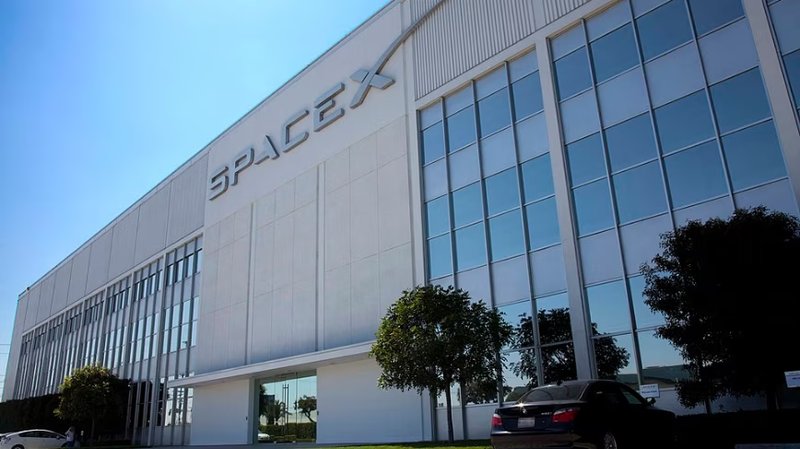
Space Exploration Technologies, better known simply as SpaceX, became a publicly traded company on the NASDAQ exchange last Friday, nearly a quarter of a century after its founding. The company began trading in New York City at $135 a share, achieving a valuation of nearly $1.8 trillion. By the end of the trading day, the company's shares were selling at $160.95, a respectable increase of more than 19 percent.
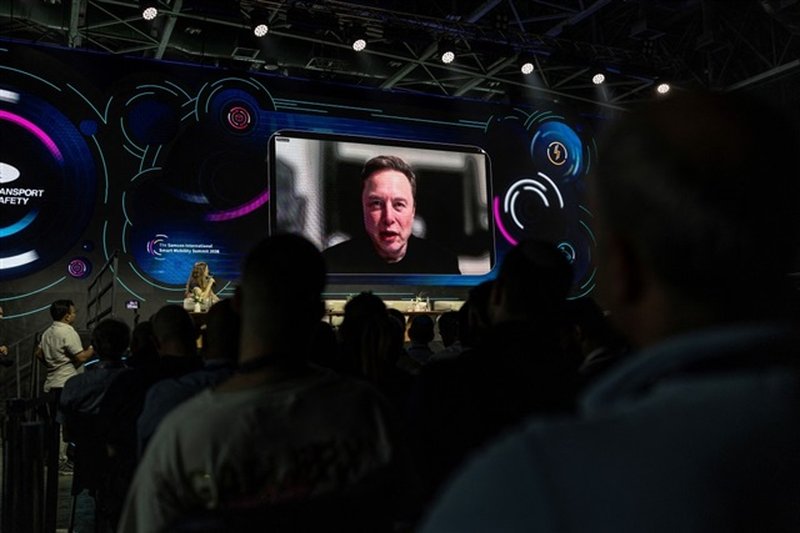
This debut also had significant repercussions for individuals. SpaceX founder Elon Musk became, on paper, the world's first trillionaire, with his personal stake in the company valued at more than $700 billion. Thanks to the company's stock options plan, thousands of current and former employees became overnight millionaires, a tangible recognition for the hard work performed over the last 24 years.
The Value of Innovation and AI Infrastructure Challenges
SpaceX's stock market success reflects not only its achievements in the space sector but also the market's perception of its innovative potential, including artificial intelligence. In an era where AI is a key driver of growth and differentiation, leading companies are increasingly valued for their ability to leverage advanced technologies, such as Large Language Models (LLM) and large-scale inference capabilities.
To capitalize on this potential, robust and scalable infrastructure is essential. Decisions regarding the deployment of AI workloads, whether for fine-tuning models or for production inference, require careful evaluation of factors such as data sovereignty, regulatory compliance, and Total Cost of Ownership (TCO). These aspects become crucial for companies managing massive data volumes and complex operations, where latency and throughput are critical parameters.
On-Premise vs. Cloud Deployment: A Strategic Dilemma
For organizations operating with sensitive data or requiring granular control over hardware and software, self-hosted or on-premise deployment represents a strategic choice. Bare metal solutions or air-gapped environments offer the highest level of security and data sovereignty, indispensable aspects for sectors such as defense, finance, or research. However, they require a significant initial investment in hardware, such as GPUs with high VRAM, and internal expertise for infrastructure management.
Alternatively, cloud deployment offers flexibility and an OpEx-based cost model but may involve trade-offs in terms of data control and long-term TCO for intensive workloads. The choice between on-premise and cloud, or a hybrid approach, depends on the specific performance, security, compliance, and budget needs of each company. AI-RADAR offers analytical frameworks on /llm-onpremise to help decision-makers evaluate these trade-offs and optimize their AI deployment strategies.
Future Prospects and Informed Decisions
The market success of a company like SpaceX highlights the importance of a long-term vision that integrates technological innovation and infrastructure strategies. The ability to develop and implement efficient AI solutions is an increasingly decisive factor for competitiveness and corporate valuation. This requires not only investments in research and development but also meticulous planning of the underlying infrastructure.
For CTOs, DevOps leads, and infrastructure architects, understanding hardware requirements (such as GPU memory and bandwidth), deployment architectures (like tensor parallelism or pipeline parallelism), and cost models is essential. Only through an in-depth analysis of these elements can an AI infrastructure be built that supports business objectives, while ensuring security, efficiency, and scalability.







💬 Comments (0)
🔒 Log in or register to comment on articles.
No comments yet. Be the first to comment!