SpaceX Starship V3: A Test Flight of Partial Successes and Technical Challenges
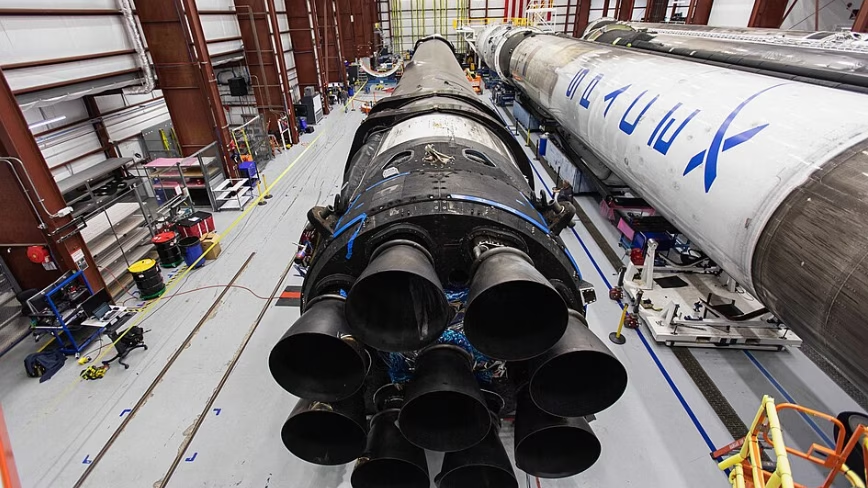
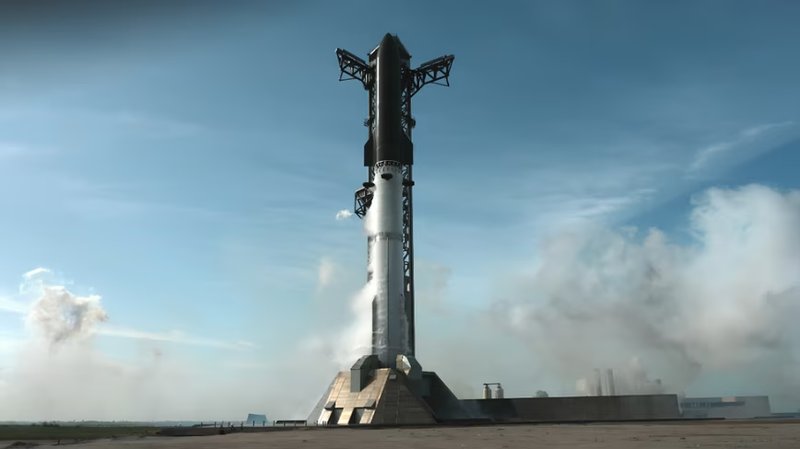
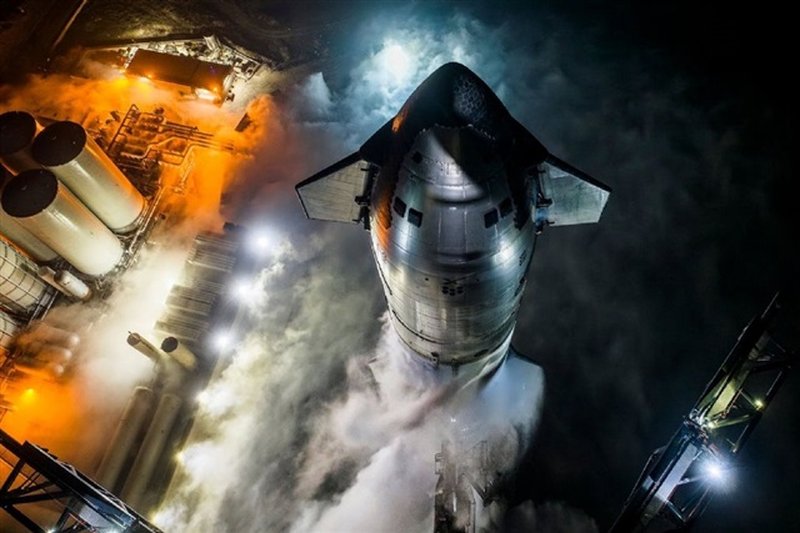
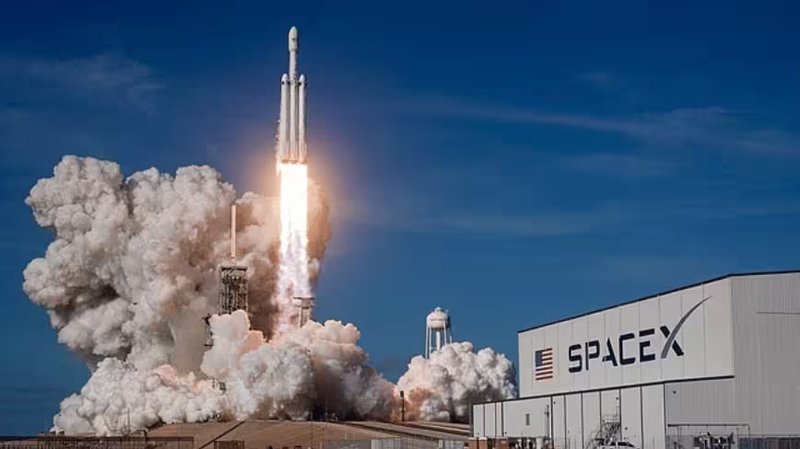
SpaceX conducted the twelfth test flight of its Starship rocket, launched on Friday evening from Starbase, Texas. This event marked the debut of the upgraded Version 3 vehicle, a significant step in the development of the company's space transport system. The flight demonstrated important capabilities but also highlighted persistent engineering challenges.
During the mission, Starship V3 achieved a crucial objective: the orbital deployment of twenty mock Starlink satellites. Furthermore, the vehicle beamed live video from space, providing valuable telemetry and imagery. However, the Super Heavy booster's re-entry phase was unsuccessful; after separation, the booster was destroyed, failing to achieve a controlled descent. This test occurred just three weeks before SpaceX's IPO, adding an extra layer of scrutiny to the launch's outcome.
The Complexity of Space Systems and Data Management
The development of complex systems like Starship and the Starlink network represents one of the highest expressions of modern engineering. Every launch, every component, and every operational phase generate an impressive volume of data: telemetry, video, environmental, and diagnostic sensors. The ability to collect, process, and analyze this data in real-time is fundamental not only for mission success but also for continuous learning and system improvement.
For organizations operating large-scale infrastructures, such as those managing satellite networks or data centers for Large Language Models (LLMs), efficient management of these data streams is a critical challenge. Big Data analytics and the application of Machine Learning and LLM models become indispensable tools for extracting insights, predicting failures, and optimizing operations. The need for robust and scalable infrastructures, capable of supporting intensive workloads for inference and training, is a common denominator in these scenarios.
Implications for AI Infrastructure and On-Premise Deployment
The failure of the Super Heavy booster underscores the inherent difficulties in deploying complex, high-reliability systems. This scenario partly mirrors the considerations companies face when planning the deployment of AI and LLM infrastructures. The choice between cloud and self-hosted, or on-premise, solutions is often driven by factors such as Total Cost of Ownership (TCO), data sovereignty, and the need for direct control over hardware and the operating environment.
For CTOs and infrastructure architects, the lesson is clear: robustness, resilience, and recovery capabilities are non-negotiable parameters. Whether it's a rocket or a GPU cluster for LLM inference, the design must anticipate failure management and the ability to learn from them. On-premise solutions offer granular control over hardware and security, crucial aspects for sensitive workloads or air-gapped environments, but they require careful planning of infrastructure and deployment pipelines.
Future Prospects and the Growing Role of Artificial Intelligence
SpaceX's ambition to make space travel more accessible and to build a constellation like Starlink is an innovation driver that pushes the boundaries of technology. In this context, artificial intelligence is destined to play an increasingly central role. From autonomous spacecraft navigation to the optimization of satellite network operations, and predictive analytics for component maintenance, LLMs and other AI models can offer transformative capabilities.
To fully leverage this potential, it is essential to have an IT infrastructure that can evolve rapidly and support growing computational needs. Evaluating the trade-offs between performance, cost, and control is fundamental for anyone planning the future of their AI workloads. AI-RADAR continues to provide analytical frameworks on /llm-onpremise to help companies navigate these complex decisions, ensuring that infrastructure choices align with long-term strategic goals.







💬 Comments (0)
🔒 Log in or register to comment on articles.
No comments yet. Be the first to comment!